
Cost of Custom Kitchen Cabinets: A Contractor’s Honest 2026 Guide
If you are currently sitting at your dining table staring at three vastly different quotes for your kitchen remodel, you are probably confused, frustrated, and terrified of making a $30,000 mistake. I don’t blame you.
I’ve been a contractor for years, and I’ve seen how the cabinetry industry works from the inside out. When clients ask me why one showroom charges $15,000 and another charges $45,000 for what looks like the exact same kitchen, they expect a complicated answer about supply chains.
Here is the blunt truth: You are often paying for showroom rent, aggressive sales commissions, and brand marketing—not better wood.
If you want to understand the true cost of custom kitchen cabinets, we need to peel the quote apart like an onion. I’m going to show you exactly where your money goes, where you can safely slash your budget, and the specific areas where saving a single penny will guarantee your kitchen falls apart in three years.
1. The Core Box (The Carcass): ~25% of the Cost
Contractor’s Rule: Never compromise here.
The biggest illusion in the kitchen industry is the cabinet door. You fall in love with a beautiful painted finish, completely ignoring the box it is attached to.
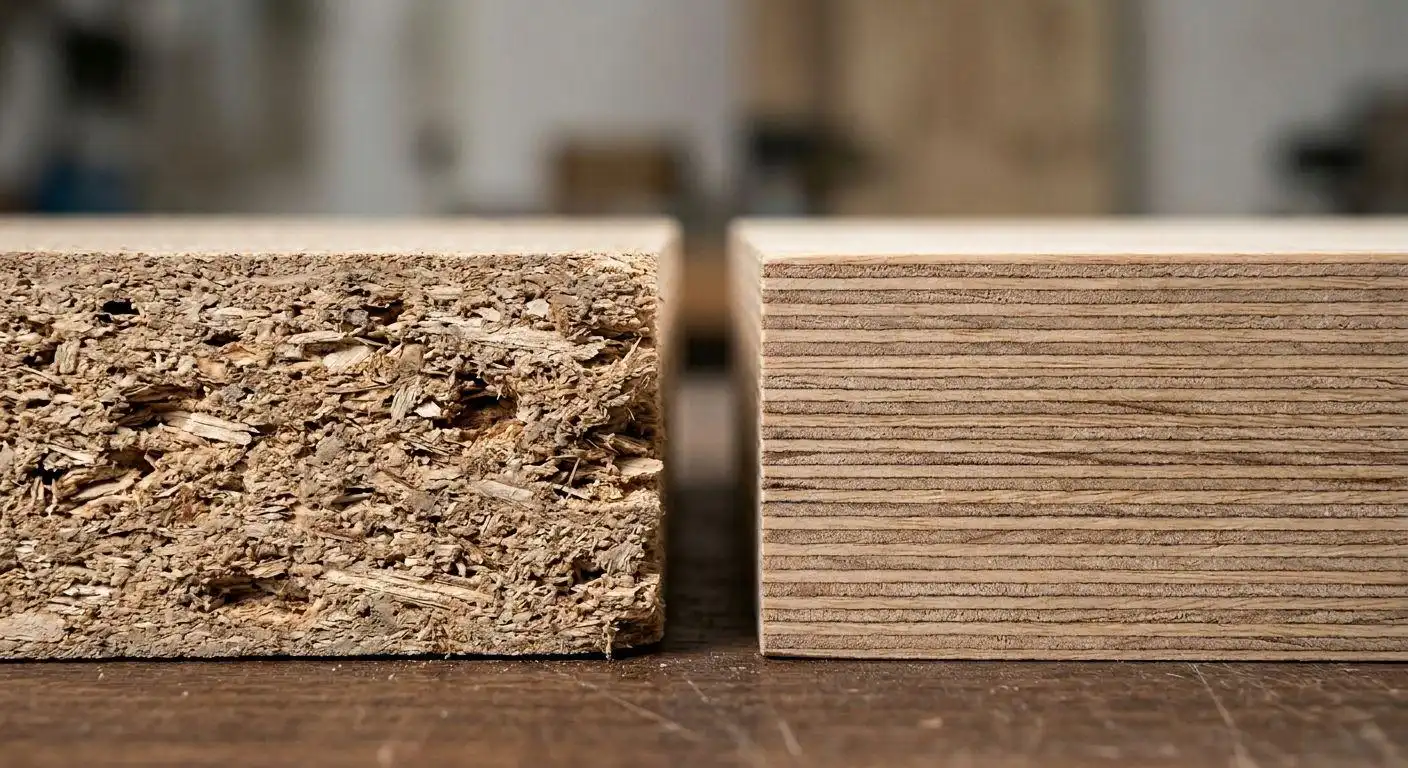
If a quote seems unbelievably cheap, they are using low-density particleboard for the cabinet carcass. Particleboard is essentially glued sawdust. The moment a plumbing pipe leaks under your sink, that particleboard absorbs the water, swells to twice its size, and crumbles.
If you are evaluating the cost of custom kitchen cabinets, demand CARB2-compliant, high-density plywood boxes. Plywood has cross-grain structural integrity. It won’t warp, it holds screws tightly, and it survives water exposure. Paying a 10% to 15% premium for a plywood core is the cheapest insurance policy you will ever buy for your home.
2. The Hardware: ~20% of the Cost
Contractor’s Rule: Spend aggressively.
If the cabinet box is the skeleton, the hardware is the engine. A heavy 36-inch wide drawer loaded with cast-iron pans and stacks of ceramic plates puts massive dynamic stress on the steel runners.
Here is my most rigid piece of advice: If you need to save money, change the style of your doors. Do not, under any circumstances, downgrade your soft-close hinges or undermount drawer slides.
Cheap hardware sags. The bearings grind. Eventually, the drawer gets stuck halfway open. A significant portion of the cost of custom kitchen cabinets should be allocated to heavy-duty, German or Austrian-engineered hardware (like Blum or Hettich) rated for at least 40kg (88 lbs) of dynamic load. This is the difference between a kitchen that feels like a luxury vehicle and one that feels like a cheap toy.
3. The Door Style and Finish: ~30% of the Cost
Contractor’s Rule: This is where you can slash your budget.
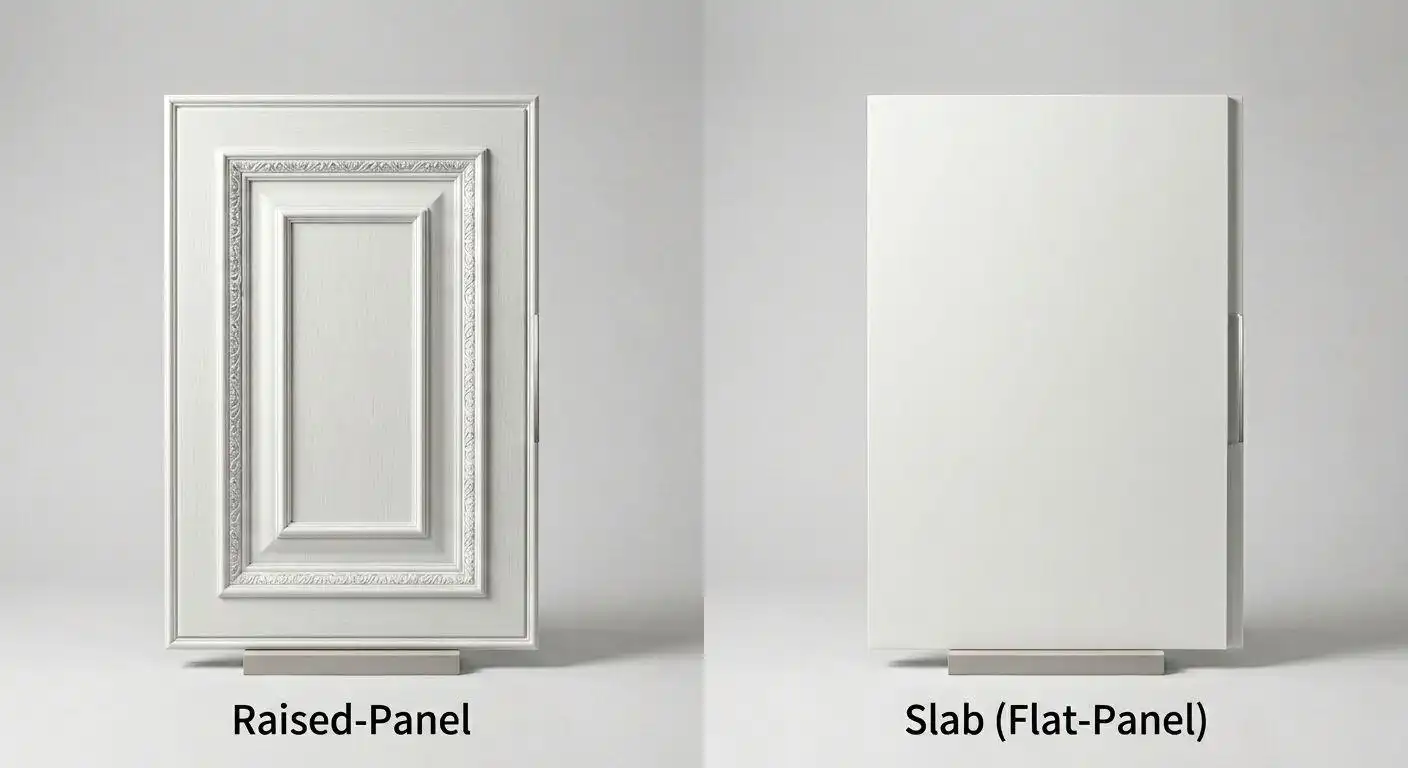
This is where the pricing games happen. A highly intricate, five-piece solid wood raised-panel door requires immense manual labor, staining, and finishing. It will skyrocket your quote.
If you want to drastically reduce the cost of custom kitchen cabinets without sacrificing a single ounce of durability, switch your aesthetic. Opt for flat-panel (slab) doors. A minimalist, flat-panel door finished in an ultra-matte, anti-fingerprint PET or high-quality lacquer looks incredibly high-end, fits perfectly into a modern 2026 aesthetic, and costs a fraction of the price of carved solid wood. You get the same heavy-duty plywood box behind it, but you save thousands on the “face.”
4. The Edge Banding: The Hidden 5% That Ruins the Other 95%
Contractor’s Rule: Demand PUR.
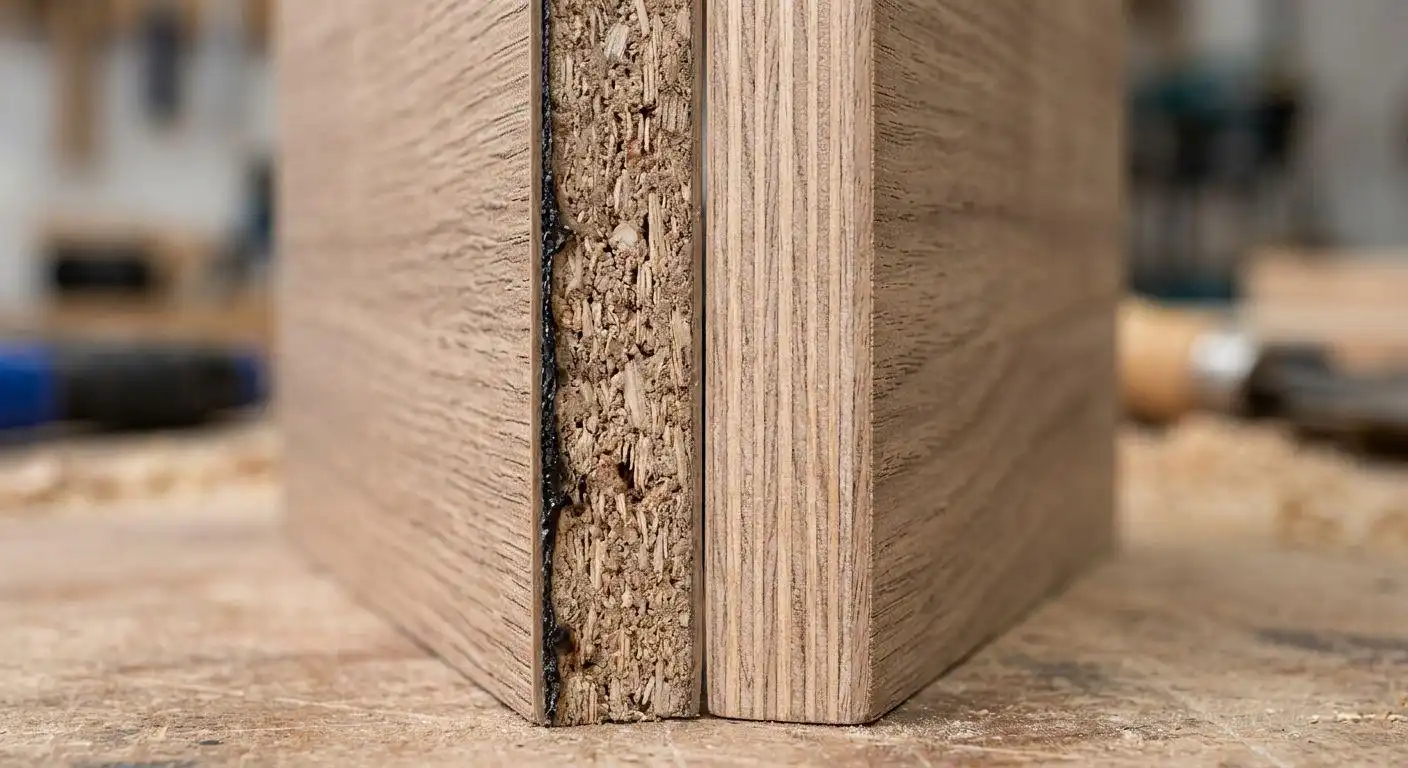
Look closely at the edge of a cabinet shelf. The thin strip of material covering the raw wood is the edge banding. The glue used to apply this strip is the most critical, yet rarely discussed, factor in the cost of custom kitchen cabinets.
Most domestic retail brands use EVA hot-melt glue to save money. When your dishwasher vents hot steam, EVA glue reactivates, melts, and the edge banding peels off. Water gets in, and the cabinet dies.
Professional-grade cabinetry uses PUR (Polyurethane) seamless edge banding. PUR glue cures chemically with moisture in the air. Once it sets, it is permanently waterproof and heat-proof. It requires expensive, million-dollar CNC edge-banding machinery to apply, which is why local boutique shops rarely offer it. Insist on PUR. It is non-negotiable.
5. The Retail Middleman Markup: The Wasted 20%+
Contractor’s Rule: Bypass the showroom.
The final, most frustrating part of the quote is the middleman tax. That beautiful local showroom with the espresso machine? They don’t actually build your cabinets. They take your measurements, send the order to a massive factory, and add a 40% markup for their trouble.
Smart builders and savvy homeowners in 2026 are completely bypassing this model. By sourcing directly from advanced international manufacturing platforms that operate factory-direct, you eliminate the showroom tax. You get the exact same premium materials—plywood cores, PUR edge banding, heavy-duty hardware—but the cost of custom kitchen cabinets drops closer to wholesale pricing.
A Contractor’s Blueprint for Budget Allocation
If I were building my own kitchen today with a strict budget, here is exactly how I would allocate my money:
-
Splurge on: 3/4-inch plywood cores, PUR waterproof edge banding, and top-tier undermount drawer slides.
-
Save on: Door styling (go minimalist flat-panel instead of intricate shaker), and internal organizational gimmicks (buy standard deep drawers instead of expensive, highly specific wooden inserts).
Frequently Asked Questions (FAQ)
Q: What is the average cost of custom kitchen cabinets in 2026? A: For a standard 10×10 kitchen using premium materials (plywood, good hardware), retail showrooms will quote between $15,000 and $30,000. Going factory-direct can often reduce this by 30% to 50% for the exact same material specifications.
Q: Are custom cabinets always better than semi-custom? A: Not necessarily. “Custom” just means it is built to your exact fractional inch. If a “custom” local builder uses cheap particleboard and EVA glue, a factory-built “semi-custom” unit using CNC machinery, plywood, and PUR edge banding will actually outlast it by decades.
Q: Is it worth paying extra for solid wood boxes? A: No. Solid wood expands and contracts with humidity, which will warp your cabinet boxes and throw your doors out of alignment. High-density, CARB2-compliant plywood is structurally superior for the cabinet carcass.
Conclusion: Pay for Engineering, Not Showrooms
Do not let a salesperson intimidate you with a complicated quote. The cost of custom kitchen cabinets ultimately comes down to raw materials and manufacturing technology.
If a quote is hiding the details of their core board, edge banding glue, and hardware weight ratings, they are hiding their profit margins. You are investing tens of thousands of dollars into the hardest-working room in your house. Demand transparency.
Ready to see a quote that actually makes sense? Stop paying the middleman markup. Contact our manufacturing team directly. Send us your floor plan or dimensions, and we will provide a crystal-clear, itemized quote based on export-grade, contractor-approved materials. No showroom fluff, just hardcore engineering.
[Click here to Request Your Free Direct-to-Manufacturer Quote].