
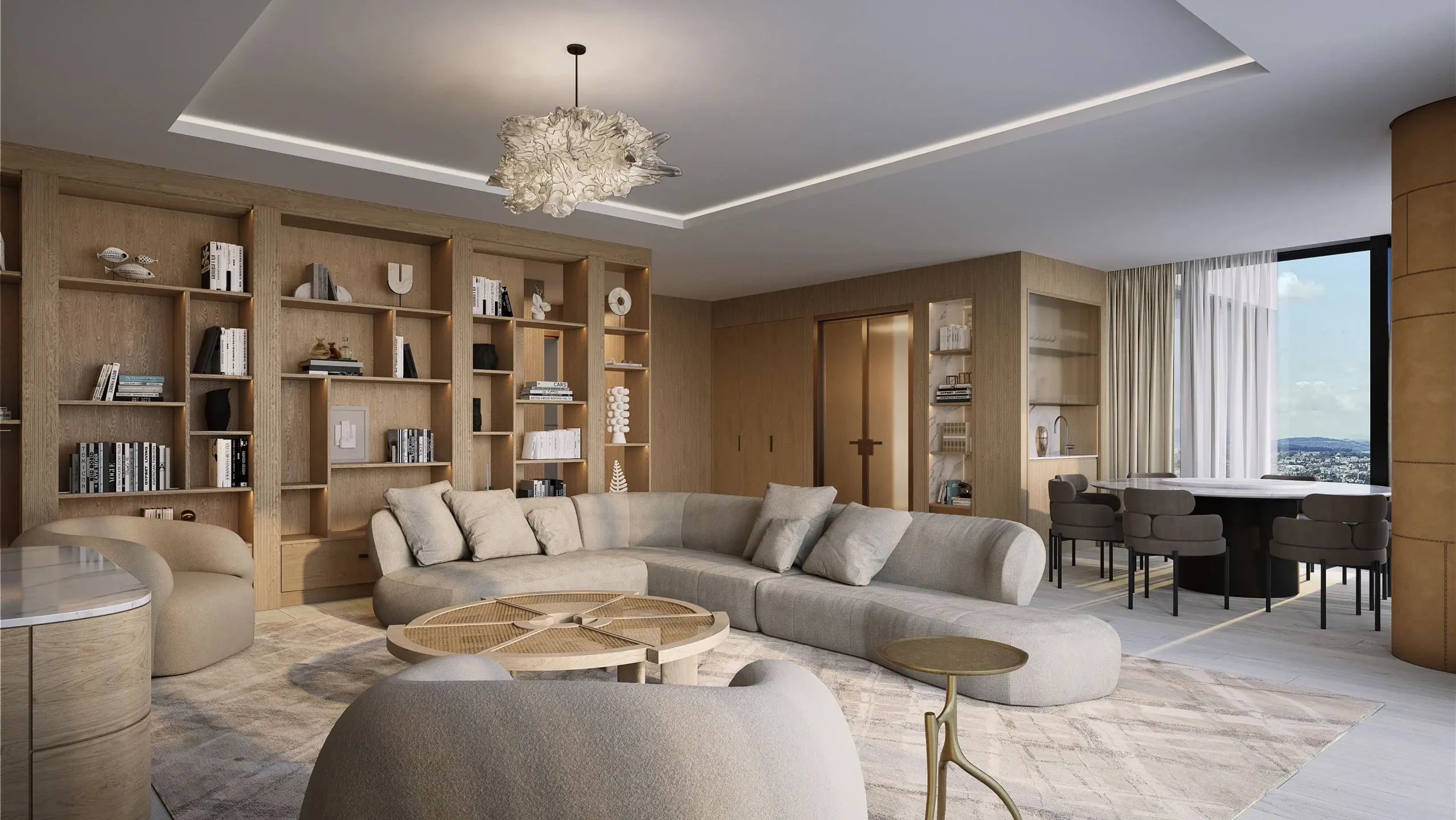
Last month, I walked into a $2 million “modern” home where the kitchen was falling apart after just eighteen months. On paper, it was a masterpiece of minimalist kitchen design. In reality, the heavy panel-ready refrigerator had caused the cabinet frame to bow, and the “seamless” edge banding was peeling off above the dishwasher like a cheap sticker.
This is the dark side of the minimalist trend. Everyone wants the look, but very few understand the engineering required to make integrated kitchen cabinetry actually work.
In 2026, the market has moved past “pretty kitchens.” We are now in the era of Functional Minimalism. This isn’t just a style; it’s a strategy to use high-precision manufacturing to swallow the visual chaos of a working home. If you’re planning a remodel, you need to understand why integration is a mechanical challenge, not just a design choice.
The Problem: The Countertop “Appliance Graveyard”
The primary enemy of any minimalist kitchen design isn’t color or material—it’s clutter. Toasters, blenders, air fryers, and high-end espresso machines are the “visual noise” that kills a high-end aesthetic.
Traditional design solves this by adding more cabinets. Integrated kitchen cabinetry solves this by engineering “active zones.” We are seeing a massive surge in demand for the “Hidden Pantry” or “Appliance Garage.” These aren’t just cupboards; they are engineered systems with pocket doors that slide back into the carcass of the cabinet, allowing full access to a workstation that can be vanished in three seconds.
When you hide the mess, you reclaim the architecture of the room. But to hide that mess, your cabinets have to work harder than standard boxes.
The Engineering Requirements for True Integration
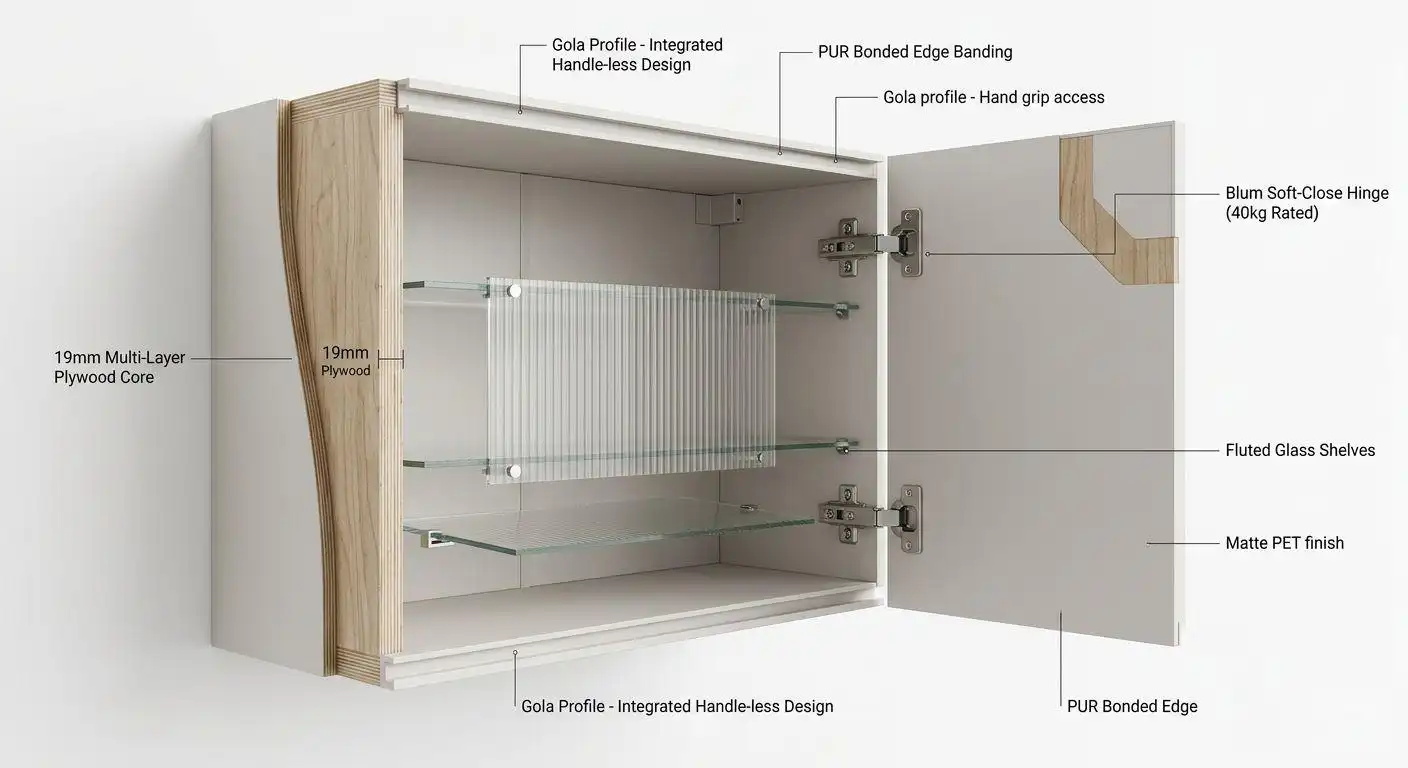
You cannot achieve integrated kitchen cabinetry using big-box store materials. When you remove handles and moldings, you lose the ability to hide “the gap.” Every line must be perfect to the millimeter. Here is the contractor’s checklist for the engineering that makes or breaks a minimalist build.
1. The Physics of Heavy-Duty Support (3/4″ Plywood)
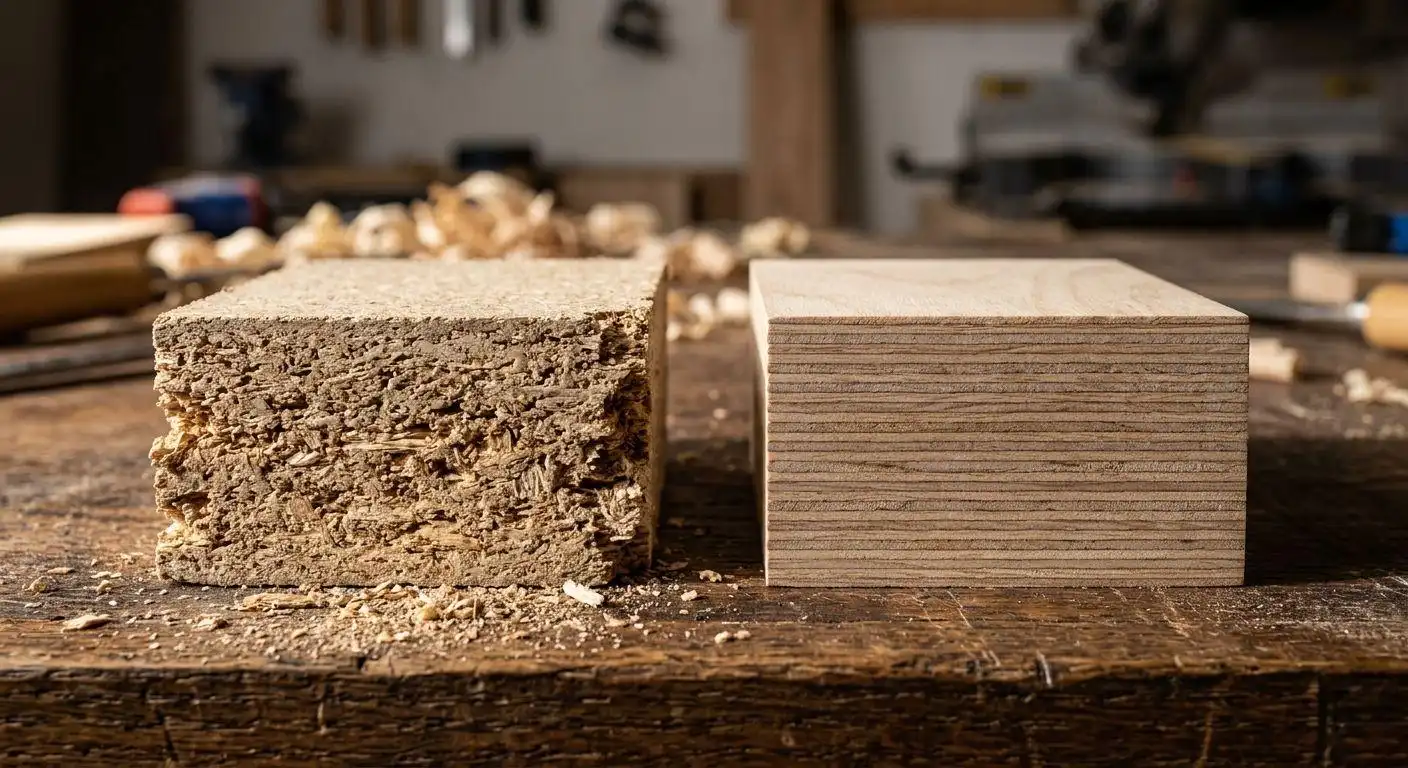
Integration often means hanging heavy custom panels on appliances like dishwashers and fridges. It also means floor-to-ceiling cabinets that hold massive amounts of weight. If your contractor suggests particleboard (furniture board) for an integrated build, show them the door.
To support integrated kitchen cabinetry, you need a 3/4-inch (19mm) multi-layer plywood core. Plywood has the screw-holding power necessary to keep those heavy panels and oversized doors aligned. Without a rigid plywood carcass, gravity eventually wins, and your perfectly straight minimalist lines will start to sag within two years.
2. The Invisible Bond: PUR Seamless Edge Banding
In a minimalist kitchen design, the edge of the door is the most exposed part of the kitchen. Traditional cabinets use EVA glue—a hot-melt adhesive that leaves a visible “glue line” which eventually traps dirt and moisture.
For 2026 standards, we strictly use PUR (Polyurethane) edge banding. PUR creates a chemical bond that is virtually invisible and 100% waterproof. This is critical above ovens and dishwashers where steam usually destroys standard cabinets. If you want that monolithic, “carved from a single block” look, PUR is the only way to get there.
3. Handle-less Mechanics: Gola vs. Push-to-Open
A true integrated look usually ditches traditional handles. But how do you open a heavy door without a grip?
-
Gola Profiles: These are recessed aluminum channels built into the cabinet carcass. They allow you to reach behind the door to pull it open. They are the “gold standard” for durability because there are no moving parts to break.
-
Mechanical Push-to-Open: These are spring-loaded plungers. While sleek, they require high-end hardware (like Blum Movento or Tip-On) to ensure the door doesn’t just “click” but actually presents itself to the user.
-
Servo-Drive (Electronic): The ultimate luxury for 2026. A light touch triggers an electric motor. It’s perfect for heavy integrated trash bins or high upper cabinets.
Material Pros and Cons: What Survives the Kitchen War?
Выбор custom cabinet materials for a minimalist home is a balancing act between durability and light refraction.
-
Matte PET Finishes: Currently the #1 choice for integrated kitchen cabinetry. PET is a high-grade polymer that is incredibly resistant to fingerprints and scratches. In a handle-less kitchen, you are constantly touching the face of the cabinet; you need a material that doesn’t show your lunch’s oil marks.
-
Ultra-Compact Sintered Stone: We are now seeing cabinets where the entire door is a 4mm slice of porcelain or stone. It is fireproof, scratch-proof, and arguably the most durable material on the planet, but it requires specialized heavy-duty hinges to manage the weight.
-
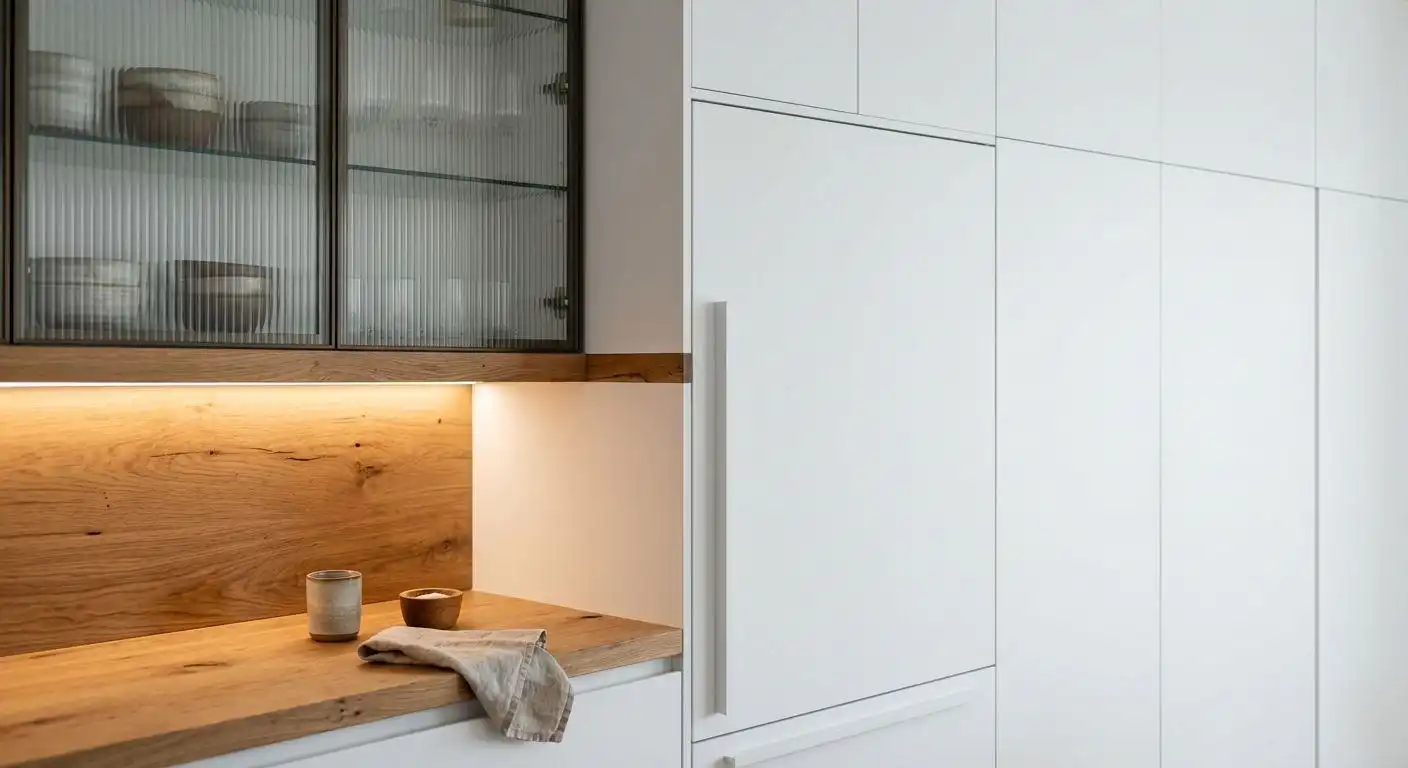
The “Anti-Minimalist” Wood Accent: A 2026 trend involves using a massive wall of white integrated kitchen cabinetry and breaking it up with one single “niche” of warm, textured oak or walnut. This “Quiet Luxury” prevents the kitchen from feeling like a sterile hospital lab.
The Factory-Direct Advantage: Precision or Bust
You might be wondering why I constantly harp on “Factory-Direct.” It’s simple: Integrated kitchen cabinetry cannot be built by hand in a garage or a small local shop with old-school table saws.
True integration requires Digital Twin technology. In our manufacturing process, the kitchen is built digitally first. The CNC machines then cut every panel to a tolerance of 0.1mm. This precision is what allows your panel-ready refrigerator to sit with a perfect 3mm gap on all sides.
If you buy through a retail showroom, you are paying a 30% to 50% markup for a salesperson to sit in a fancy chair. That money doesn’t go into your hinges or your plywood; it goes into the showroom’s rent. By going factory-direct, you’re putting that budget back into the integrated kitchen cabinetry—getting Austrian-engineered hardware and PUR bonding for the price of a standard retail kitchen.
Designing for the Long Game
When I sit down with a client to discuss minimalist kitchen design, I tell them to think about “The 10-Year Creak.” Any kitchen looks good on the day of installation. But integrated kitchen cabinetry involves moving parts that are under constant tension.
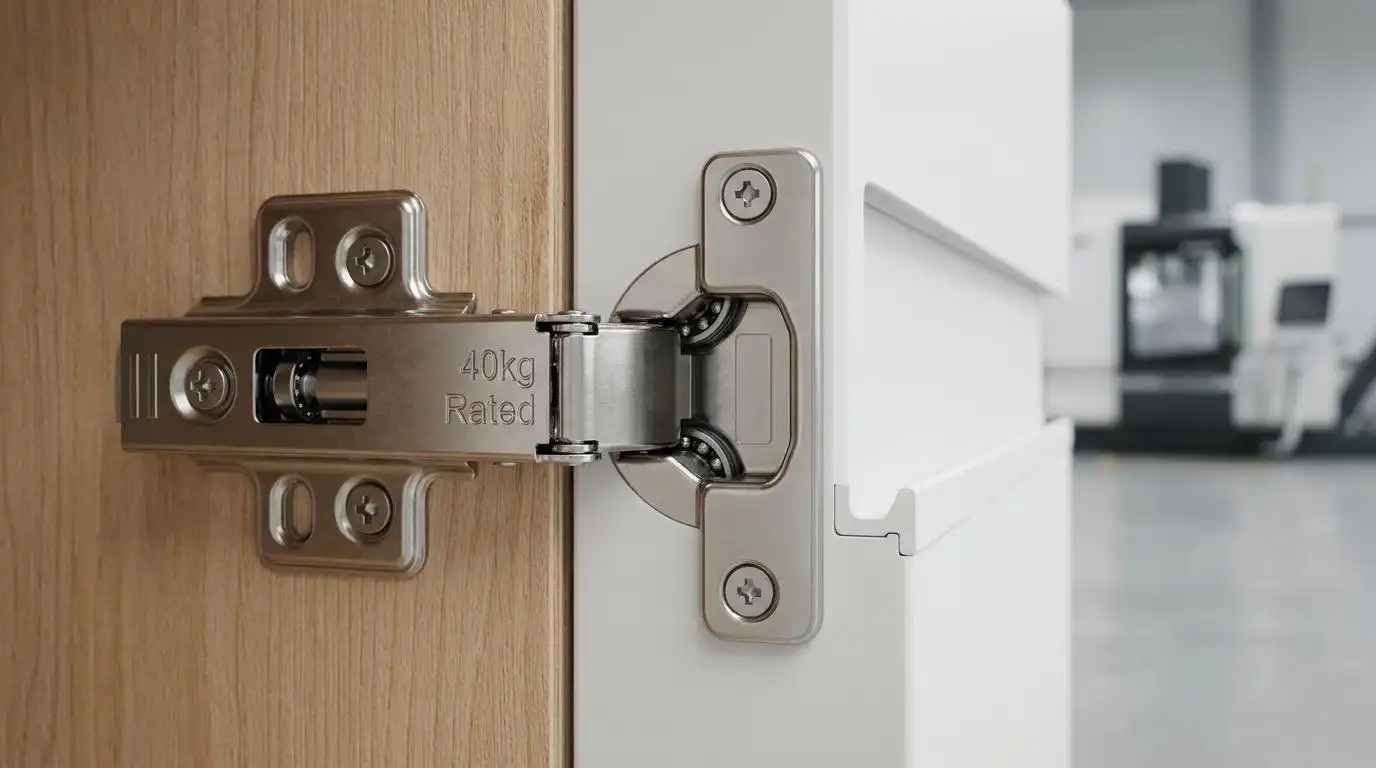
If you compromise on the interior hardware to save $1,000 today, you will spend $5,000 in five years trying to fix sagging doors and broken push-track systems. In 2026, quality is found in the weight of the hinge and the density of the board, not the brand name on the box.
Why 2026 is the Year of “Quiet Luxury”
The “Quiet Luxury” movement has moved from fashion into the home. People no longer want loud, “look-at-me” kitchens with gold filigree and heavy moldings. They want a kitchen that whispers.
They want integrated kitchen cabinetry that feels like a solid wall until you need it. They want soft-close systems that are truly silent. They want a minimalist kitchen design that feels warm, tactile, and engineered to a higher standard. This shift toward “Function” over “Flash” is the best thing to happen to the cabinetry industry in decades because it forces manufacturers to focus on the actual quality of the build.
Conclusion: Stop Buying Furniture, Start Buying Engineering
If you are looking for the “pros and cons of materials,” the biggest “pro” is always durability.
А minimalist kitchen design is a commitment. It’s a commitment to organization and a commitment to quality. If you try to fake it with cheap materials, the house will tell on you very quickly. Integrated kitchen cabinetry is a mechanical system that happens to look like furniture. Treat it as such.
Insist on the 3/4″ plywood. Demand the PUR edge banding. Verify the hinge load ratings. And most importantly, stop paying for the middleman’s markup.
Ready for a Kitchen That Works as Hard as You Do?
Don’t settle for “showroom-grade” when you can have “contractor-grade.” If you’re ready to see how integrated kitchen cabinetry can transform your space, let’s get to work.
Skip the retail nonsense. Our factory-direct model puts the highest-spec materials in the world directly into your home for a fraction of the cost. Send us your floor plan or your current layout today for a technical review and a transparent quote. Let’s build a kitchen that stays silent, stays straight, and stays beautiful for the next thirty years.
[Click Here to Get a Factory-Direct Quote for Your Integrated Kitchen]