


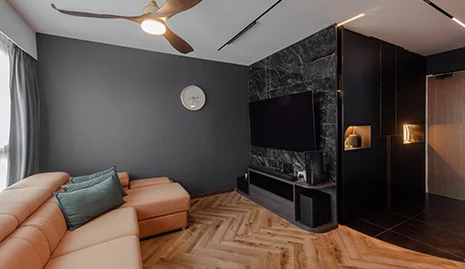

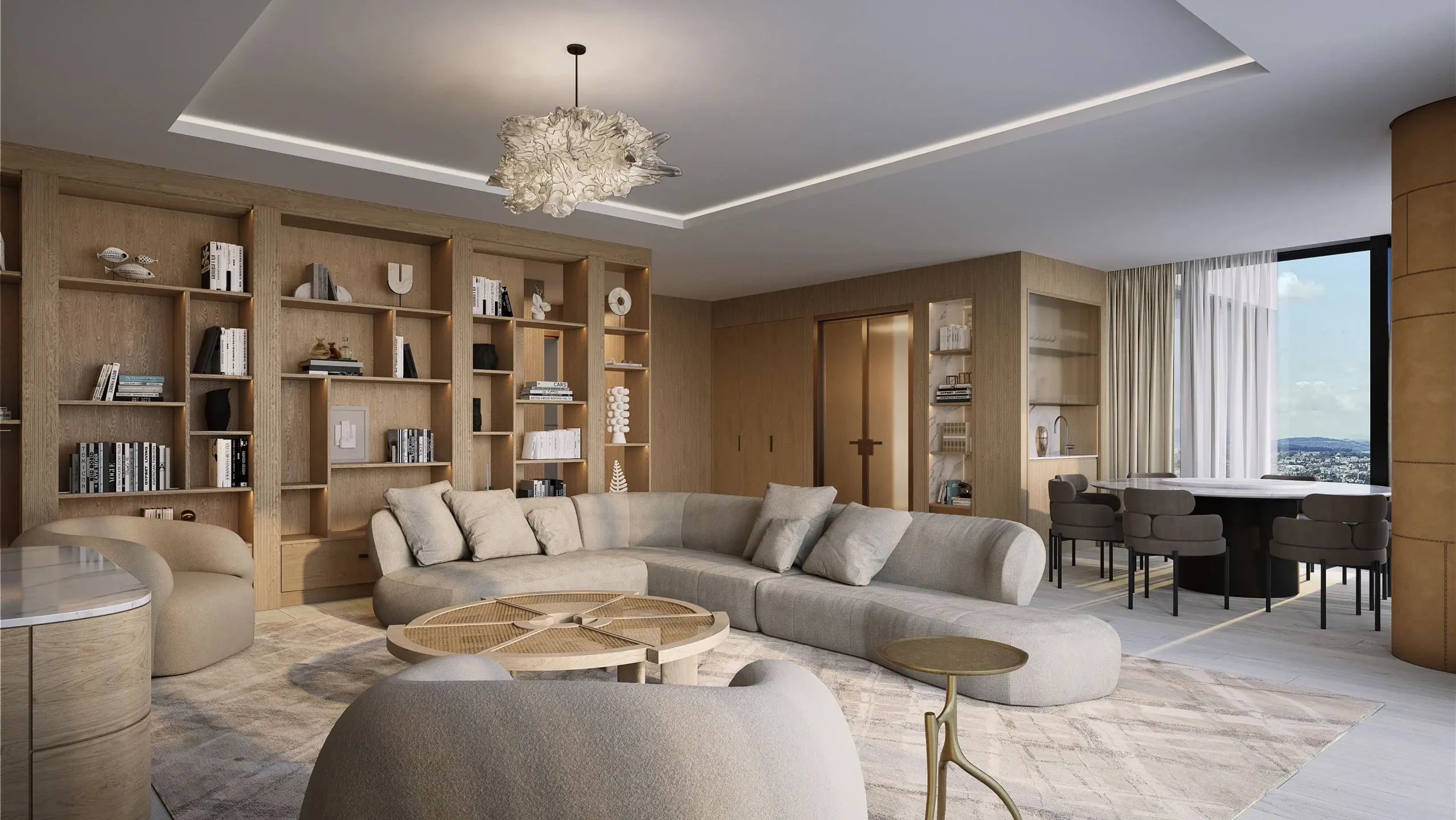
For developers, contractors, and B2B buyers, batch cabinet color consistency is controlled before production starts—not corrected after installation. The practical system is to lock one approved physical sample, define the finish and substrate in the signed drawing, keep visible panels within controlled material and coating lots where possible, inspect under agreed lighting, and isolate any mismatch before packing. This matters most on apartment, hotel, and villa projects where cabinets from different rooms meet in the same visual field. A quotation that only says “white lacquer” or “oak veneer” does not provide enough control for a repeatable result.
Who This Guide Is For
- Developers standardizing cabinet finishes across multiple units.
- Contractors coordinating installation across phased deliveries.
- Designers whose material boards must match the approved project look.
- B2B buyers comparing the quality-control process of custom cabinet manufacturers.
Key Takeaways
- A named finish is not a color-control specification; approve a physical master sample.
- Compare parts under the same agreed light source and viewing direction.
- Do not mix door-panel batches, veneer flitches, or edge-band rolls on one prominent elevation without approval.
- Separate painted, PET, melamine, laminate, veneer, and stone-look panels into different control methods.
- Record the approved sample, batch references, and acceptable variation before a replacement order is needed.
Which Color-Control Method Fits Each Cabinet Finish?
On mobile, swipe left or right to view all table columns.
| Finish type | Main variation risk | Best factory control | Buyer approval point | Лучшее для |
|---|---|---|---|---|
| Painted MDF / lacquer | Coating tone, gloss, curing | Approved spray panel, formula record, same production window | Signed paint sample and gloss expectation | Feature kitchens, wardrobes |
| Melamine / laminate | Decorative-paper lot, edge-band match | Reserve board and edge-band lots; compare laid-up doors | Door and matching edge sample | Multi-unit apartments |
| PET / acrylic | Film lot, surface reflection | Match film lot and protective-film handling | Face sample viewed in project lighting | Clean modern elevations |
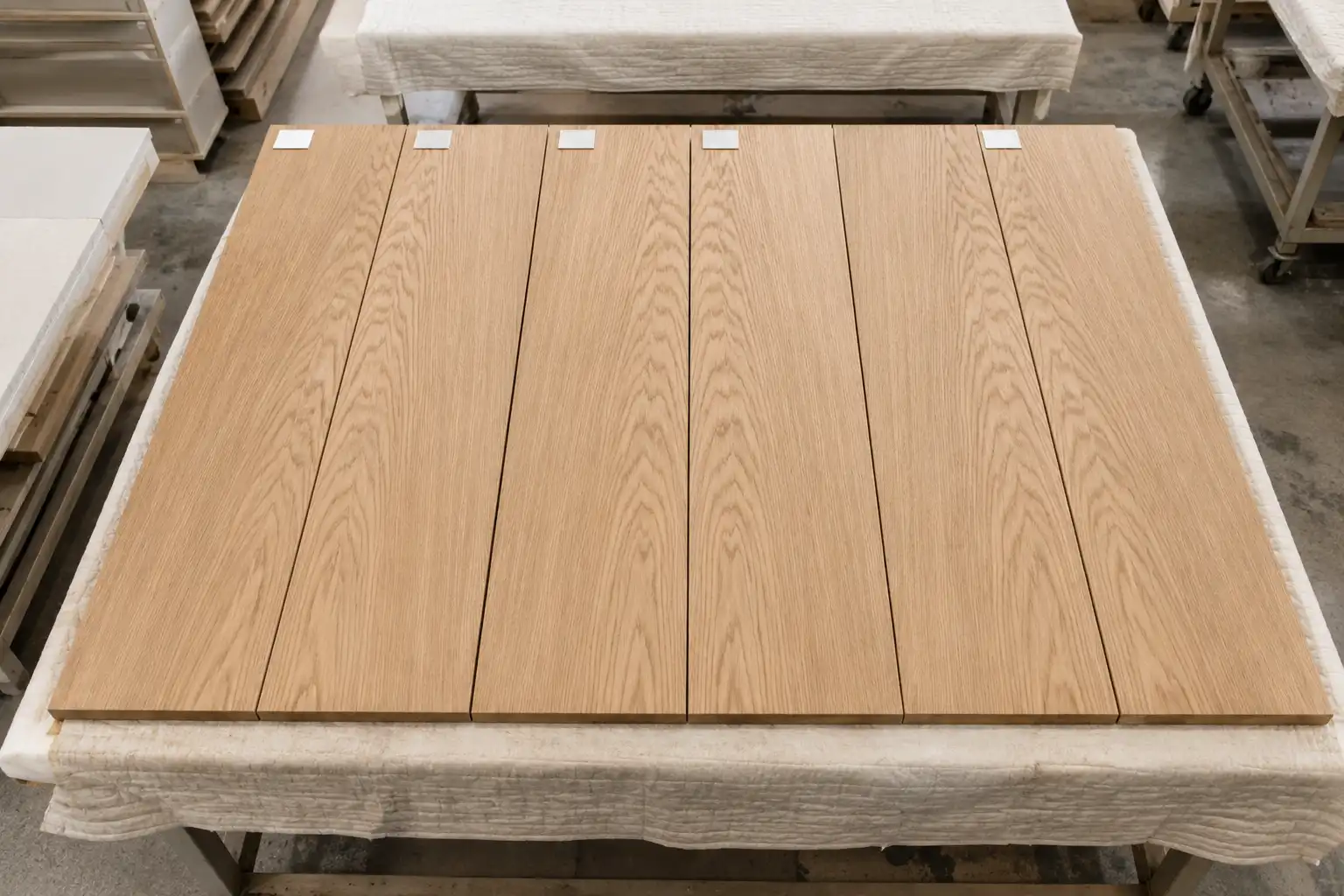
| Wood veneer | Natural grain and tone | Flitch sequencing, stain sample, book-matching plan | Large veneer layout sample | Villas, hospitality, premium areas |
| Thermofoil / PVC | Film lot, profile stretch | Match foil lot and profile trial | Profile door sample | Repeated shaker or routed doors |
Why Do Cabinet Colors Look Different Even When the Code Is the Same?
Color appearance is a combined result of material, surface geometry, lighting, and viewing angle. A paint code can be reproduced accurately yet look different on an MDF door, a metal handle, and a textured wall panel because each surface reflects light differently. NIST explains that color rendering by the light source affects how objects appear, which is why an inspection that looks acceptable in one showroom can look different under a cool site light.
For cabinet production, the usual causes are a second board, foil, veneer, or edge-band lot entering a job without a comparison check; doors painted in separate production windows; veneer selected by species only; a replacement panel ordered months later with only a verbal color name; or inspections made under mixed light. The decision rule is simple: if two panels will be seen beside each other, they must be approved beside each other.
What Should Be Locked Before KEJIA Releases a Batch to Production?
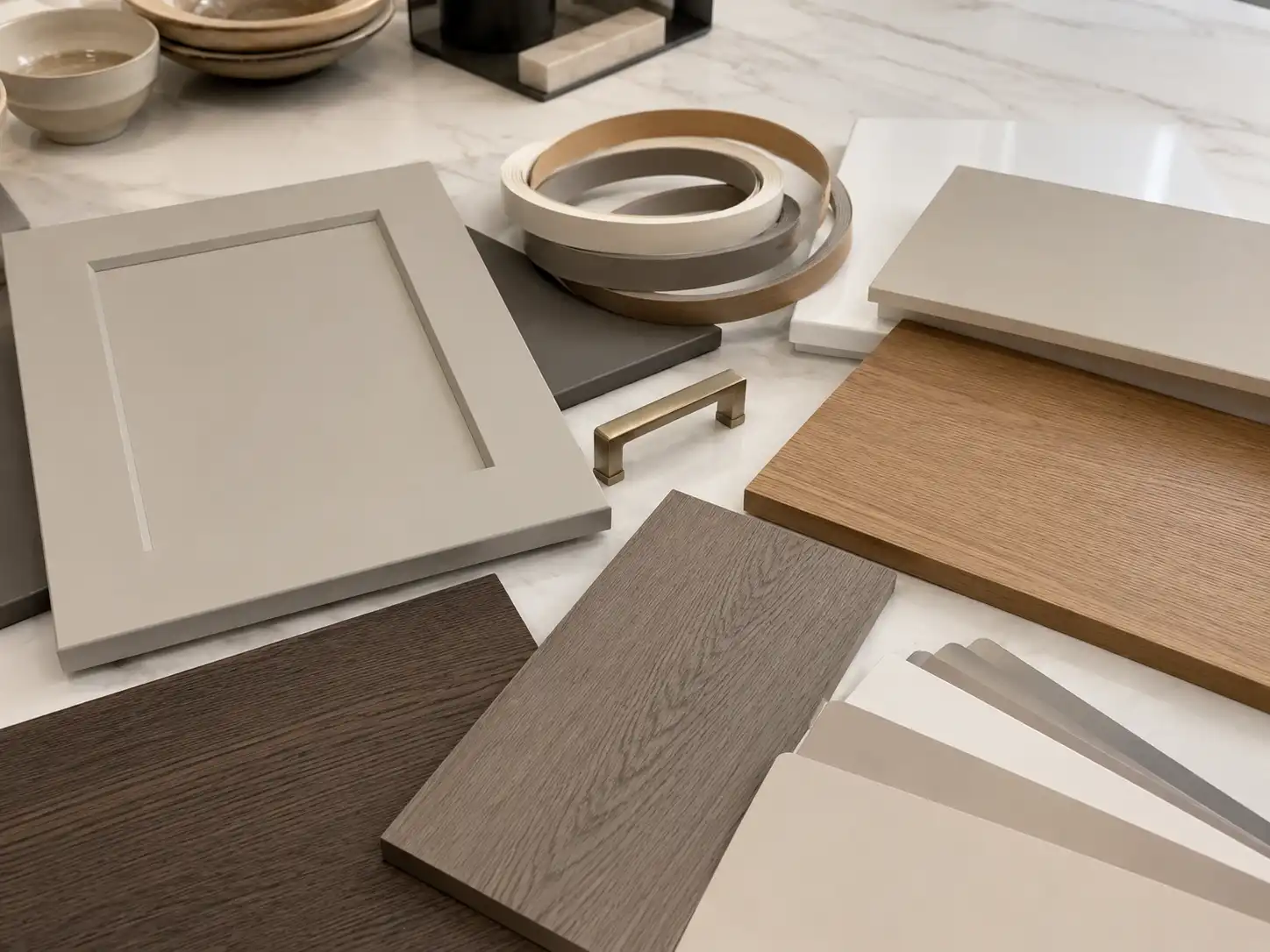
Approve a physical master sample
The master sample should show the actual visible construction: door face, edge treatment, sheen, handle or profile if it affects reflection, and the stated substrate. A digital render and a color code are supporting documents, not substitutes. KEJIA labels the retained sample with the project name, room or finish code, approval date, and revision number.
Translate design intent into a finish schedule
Each elevation needs a finish code tied to room names, drawings, and quantities. For veneer, add grain direction and whether book-matching or sequence matching is required. For painted or PET doors, state the gloss expectation and whether variation across separate rooms is acceptable. For melamine, identify the matching edge-band specification rather than requesting “similar edge tape.”
Agree the viewing conditions
For high-visibility finishes, specify a neutral, consistent inspection light, a practical viewing distance, and comparison against the approved panel. Do not promise an unmeasured universal tolerance when the contract has not established an instrument, geometry, and acceptance method. Make the approved sample and side-by-side visual check the primary acceptance reference.
KEJIA’s Factory Workflow for Batch Consistency
Drawing and sample gate
Before cutting, the project team checks that the bill of materials, finish schedule, and approved samples agree. A discrepancy such as “warm white” on a render but “pure white” on the finish list is returned for clarification. This avoids a technically correct but visually wrong batch.
Material-lot allocation
For visible door sets and wall panels, the factory plans material quantities by elevation and keeps related components together. When more than one lot is needed, the change point is placed between rooms or less-visible elevations and documented. A different edge-band roll or veneer bundle is never an invisible substitution.
First-piece and in-process comparison
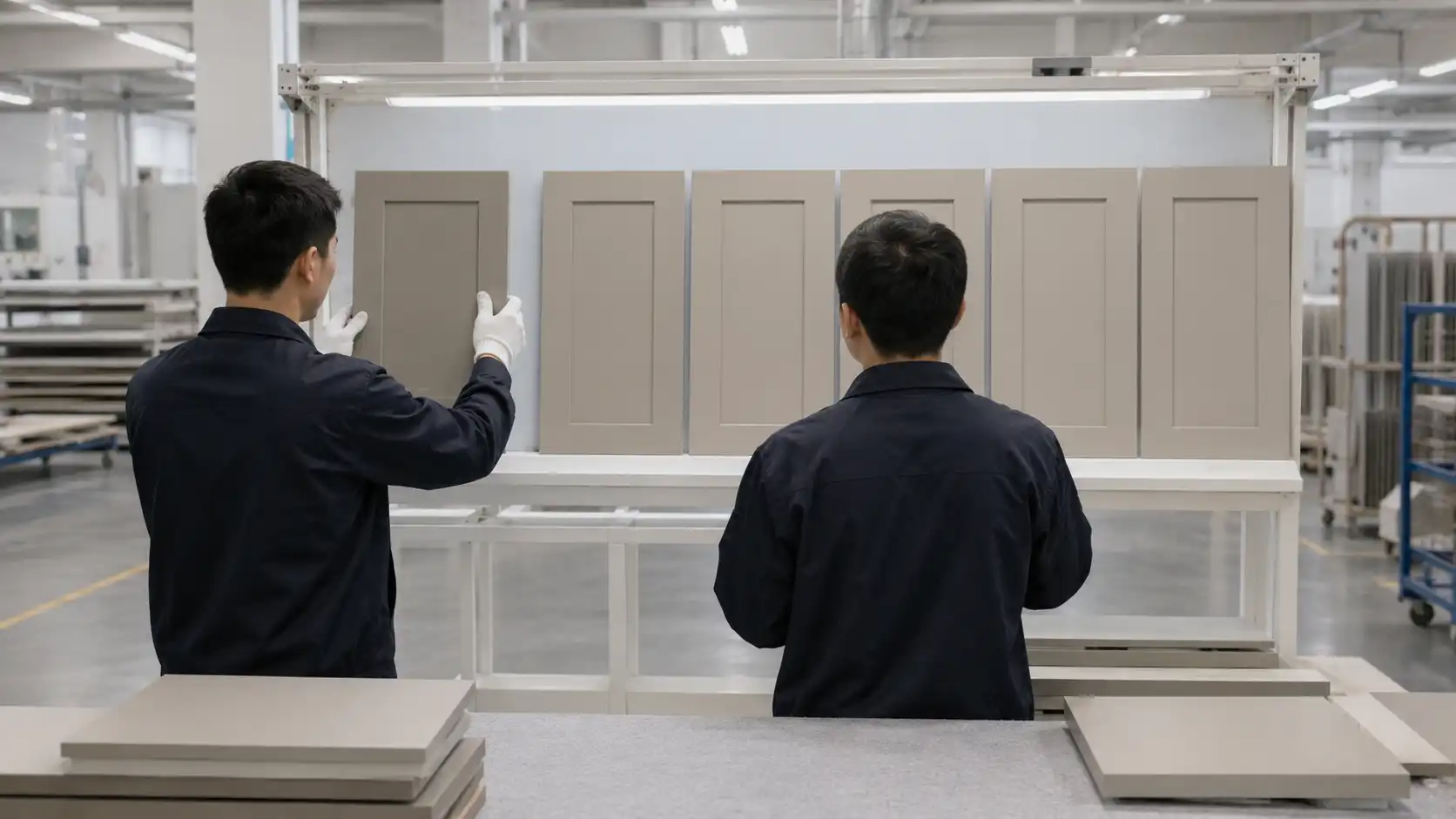
The first completed door or panel is compared with the retained master sample before the line continues. During production, inspectors compare doors in the same finish group, check edge treatment and gloss, and flag outliers. For wood veneer, panels are laid out in intended sequence before assembly so grain or tone jumps are caught early.
Final grouping, labeling, and replacement record
At final QC, related doors are grouped by room or elevation, not merely carton size. Each carton label connects to the packing list and drawing location. The retained sample, production record, and approved finish specification remain in the project file so a later spare part can be matched to the original decision rather than guessed from a photograph.
Manufacturer Insight: Where a Good Result Is Usually Won or Lost
The critical point is the handoff between sample approval and material allocation. Machinery alone cannot prevent visible variation if the master sample is not traceable, the finish schedule is vague, or replacement material is purchased after production begins. For sink bases or humid locations, color control cannot override substrate selection: choose moisture-appropriate plywood or moisture-resistant panels, seal exposed edges, and then match the face finish. A matching door on an unsuitable carcass is not a durable project solution.
Common Buyer Mistakes and How to Prevent Them
- Approving only a rendering. It cannot show sheen, texture, grain, or edge-band color. Approve a physical sample.
- Writing a color name without a finish code. “Grey oak” can vary widely. Use a project finish schedule and retained sample.
- Treating veneer like a printed finish. Agree flitch selection, layout, and acceptable natural character.
- Ordering samples from one supplier and production from another. Approve the producing factory’s panel.
- Comparing panels under mixed lighting. Set a consistent comparison method.
- Requesting a late replacement without records. Save the approved sample and production details.
- Allowing substitutions without sign-off. Require written approval for board, foil, veneer, edge-band, or coating changes.
Batch Cabinet Color Consistency Checklist for B2B Buyers
- Finish schedule lists project code, room/elevation, substrate, face material, edge treatment, and sheen.
- Physical master sample is signed, photographed for reference, labeled, and retained by both parties.
- Veneer grain direction and matching method are stated where applicable.
- Visible doors, fillers, and wall panels are allocated by batch and elevation.
- First-piece inspection compares the completed item to the master sample.
- Final QC includes side-by-side checks of adjacent visible components.
- Packing labels identify room/elevation and match installation drawings.
- Replacement-part process references the original project file and retained sample.

Questions B2B Buyers Ask About Cabinet Color Consistency
Can a cabinet factory guarantee that every panel is identical?
No responsible manufacturer should promise identical appearance across all materials and production periods. Natural veneer, textured melamine, sheen, lighting, and separate material lots create variation. The useful commitment is a documented control process: approved reference sample, planned lot use, side-by-side inspection, and defined handling for nonconforming components.
Is a RAL, NCS, or paint code enough to approve a cabinet color?
It is useful for communication, but not enough alone. A code does not fully specify substrate, gloss, texture, edge treatment, or site-light appearance. Use it with a physical coated panel produced by the same manufacturing process that will make the project doors.
How should we handle veneer variation on a hotel or villa project?
Approve a representative large sample and state the expected grain direction, matching style, stain, and allowable natural features. Then sequence veneer panels by elevation before assembly. A small veneer chip cannot promise uniform grain across full-height doors.
What should a contractor inspect before installation?
Open and compare adjacent door and filler panels for each room before fixing them permanently. Check carton labels against drawings, compare to the approved sample in suitable light, and report an issue before drilling or trimming.
What happens if a project needs a replacement door later?
Provide the project code, finish code, room, dimensions, and photos beside the retained sample if available. KEJIA can review the original production record and advise whether a new sample approval is needed. Original lots may no longer be available.
Does cabinet packaging affect color consistency?
Indirectly, yes. Abrasion, moisture exposure, protective-film residue, or mixed cartons can make correct panels appear defective or be installed in the wrong elevation. Protective separation, clean handling, and room-based labels protect both the finish and traceability.
Request a Controlled Finish Review Before Production
If your project includes repeated cabinet finishes, large veneer elevations, or phased installation, send KEJIA the drawings, finish schedule, target market, and delivery sequence. We can review visible-finish risks, recommend a sample and lot-control plan, and prepare a project quotation with the details installers need.