



I’ve spent over twenty years ripping out sagging shelves and swollen cabinet bases. If there’s one thing I’ve learned, it’s that a kitchen is only as good as what’s under the paint. When clients start a remodel, they usually ask about colors or handle styles, but the real conversation starts with a kitchen cabinet materials comparison.
Everyone wants “solid wood” because it sounds premium, but in the trenches of home renovation, “expensive” doesn’t always mean “best.” If you want a kitchen that survives steam, spills, and heavy granite countertops, you need to understand the structural reality of your options.
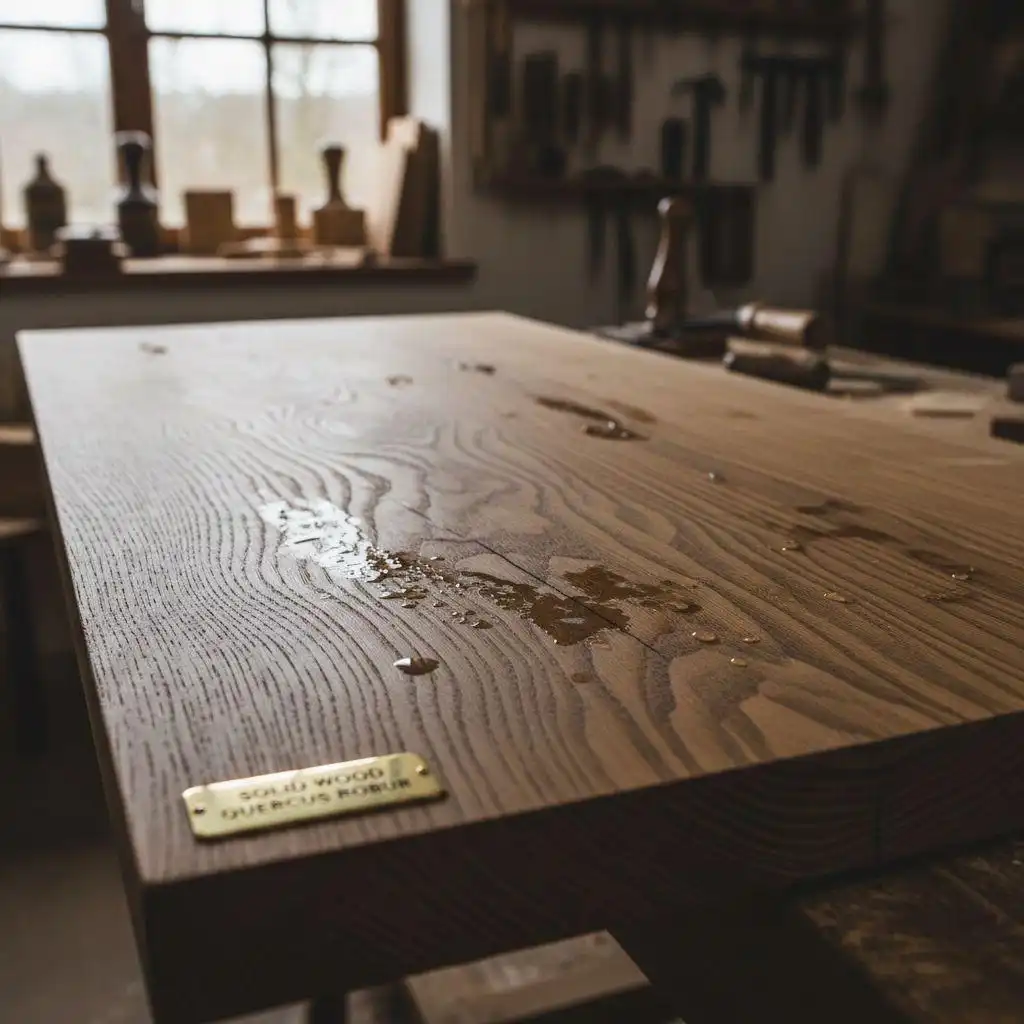
1. Solid Wood: The Prestige Choice
Solid wood—typically Maple, Cherry, or Oak—is the gold standard for aesthetics. Most high-end shops use it for door frames and face frames.
The Contractor’s Perspective: Wood is a living material. It breathes. If you live in an area with high humidity, solid wood will expand and contract. This is why you often see “witness lines” (tiny cracks in the paint) at the joints of solid wood doors. If you are going for a stained look, solid wood is unbeatable. But if you want a seamless painted finish, solid wood can actually be your enemy.
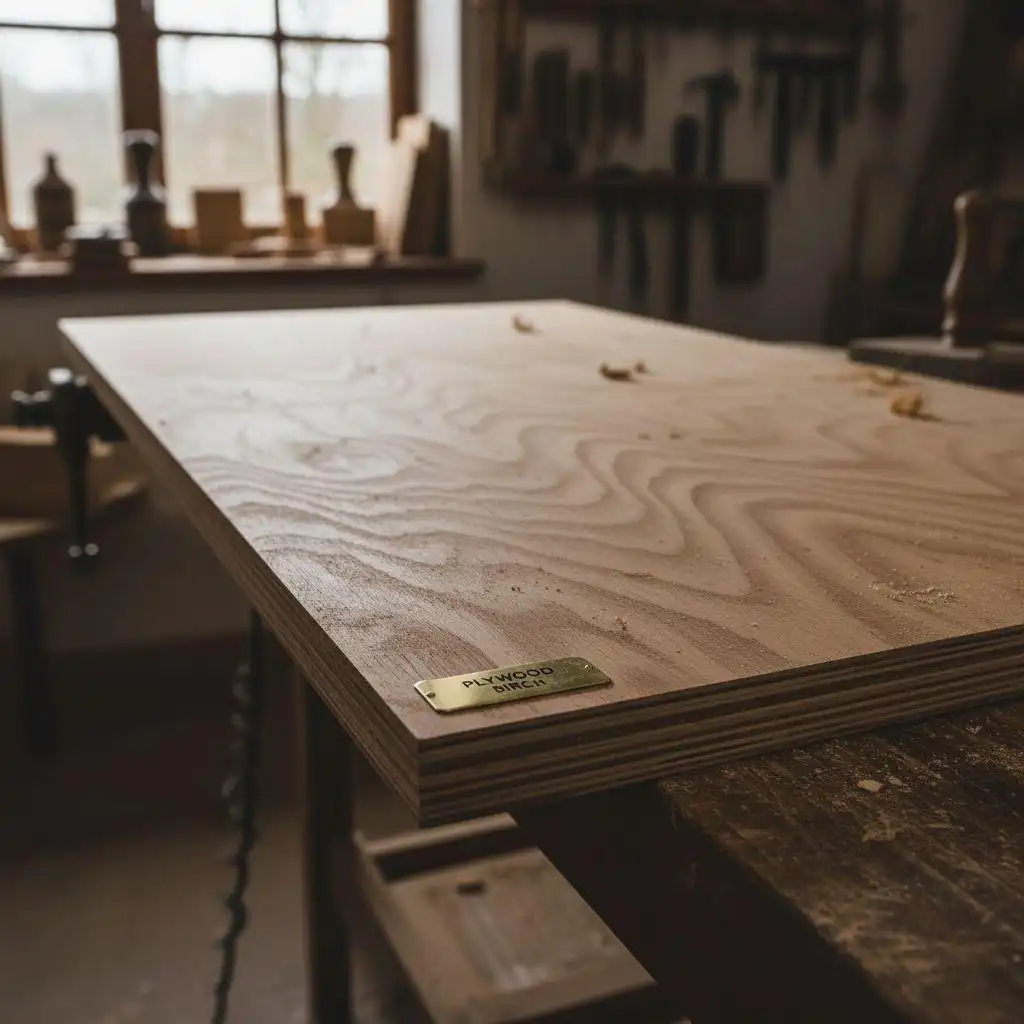
2. Plywood: The Structural Workhorse
When we do a kitchen cabinet materials comparison, plywood is almost always my recommendation for the cabinet “box” (the carcass).
The Structural Reality: Plywood is made of thin layers of wood glued in a cross-grain pattern. This makes it incredibly stable and gives it a high “screw-holding” strength. This matters because your hinges and drawer slides are under constant tension. Furthermore, plywood is much more resilient to water. If a pipe leaks under your sink, plywood might swell slightly, but it stays intact. Particle board, on the other hand, will turn into a wet sponge and collapse.
3. MDF and HDF: The Secret to the Perfect Paint Job
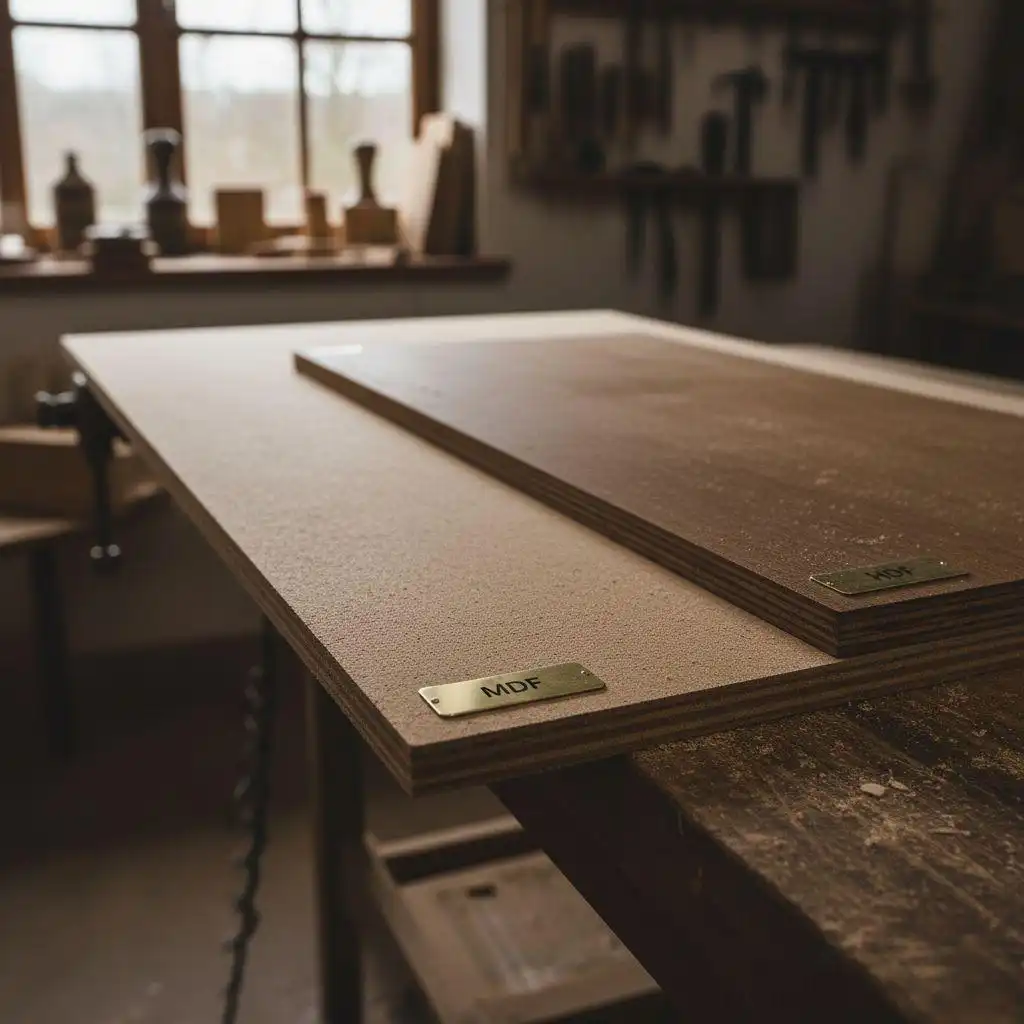
Many homeowners cringe when I mention MDF (Medium Density Fiberboard), but they shouldn’t. In a modern kitchen cabinet materials comparison, high-quality MDF is often the hero.
Why I recommend it: MDF is engineered to be perfectly flat and stable. It doesn’t have a grain, which means it doesn’t expand and contract like real wood. If you want that “glass-smooth” painted finish in a trendy navy or charcoal, MDF center panels are the only way to go. It won’t crack at the seams, and it provides a much more consistent surface for industrial coatings.
4. The “Contractor’s Hybrid” Strategy
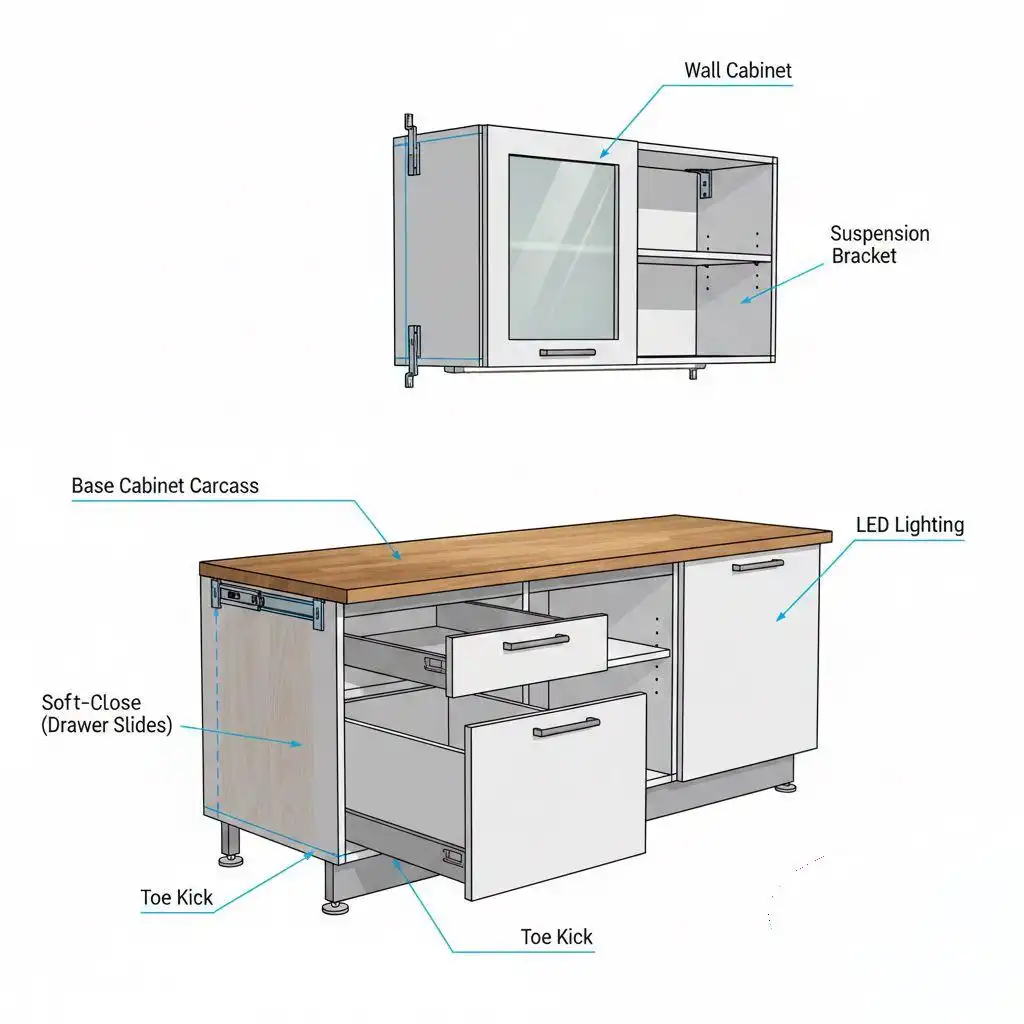
If you were my client, I’d tell you to stop looking for a “one-material-fits-all” solution. The best kitchens are hybrids. Here is the blueprint I follow for a high-performing kitchen:
-
The Boxes: Furniture-grade Plywood. It handles the weight of heavy quartz or granite countertops without sagging over time.
-
The Door Frames: Solid Hardwood. This provides the impact resistance needed for doors that get slammed 50 times a day.
-
The Door Panels: MDF/HDF. This ensures your paint job looks flawless five years from now without unsightly expansion cracks.
FAQ: What Homeowners Always Ask Me
Is plywood really worth the extra cost over particle board?
In my opinion, yes. While particle board is cheaper, it cannot handle moisture. In a kitchen—where there are sinks, dishwashers, and boiling pots—moisture is inevitable. Plywood ensures your kitchen lasts 20 years instead of 7.
Which material is easiest to clean and maintain?
For ease of maintenance, a high-quality finished MDF or a solid wood with a catalyzed conversion varnish is best. These surfaces are non-porous and can be wiped down with a damp cloth without worrying about water soaking into the grain.
Can I change my mind later and paint solid wood cabinets?
You can, but it’s a lot of work. Any kitchen cabinet materials comparison should note that wood grain (especially Oak) is deep. To get a smooth look later, you’ll spend a fortune on “grain filler” and sanding. If you think you’ll want a painted look, decide that before you buy the materials.
Does the material affect the resale value of my home?
Absolutely. Appraisers and savvy buyers look for “all-wood construction” (which usually refers to plywood boxes and solid wood doors). Avoiding plastic laminates or cheap particle board is one of the best ways to ensure your kitchen remodel adds actual equity to your home.
Final Thoughts
Don’t get distracted by the labels. A kitchen cabinet materials comparison isn’t about finding the “fanciest” wood; it’s about matching the material to the function. Build your boxes to last with plywood, and choose your door material based on whether you want the natural beauty of grain or the sleek perfection of paint.

Let’s Build a Kitchen That Actually Lasts
At the end of the day, a kitchen cabinet materials comparison on paper is one thing, but seeing how those materials perform in your specific home is another. Every house has its own quirks—whether it’s a floor that isn’t level or a high-traffic family dynamic that needs extra-tough finishes.
I’ve spent my career helping homeowners navigate these choices, and I’d rather see you invest in quality now than pay me to fix a failing kitchen five years down the road.
Confused about which direction to take for your remodel? Don’t guess with your biggest investment. Whether you are ready to start your project or just need a straight-talking expert to look at your plans and tell you what’s realistic for your budget, I’m here to help. Reach out today for a no-nonsense consultation, and let’s make sure your new cabinets are built to stand the test of time.