


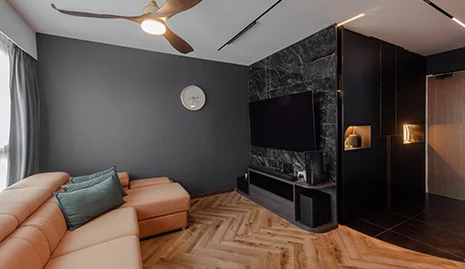
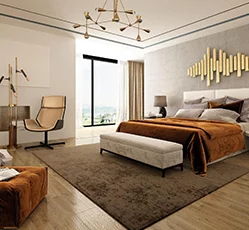

OEM and ODM cabinet manufacturing both allow B2B buyers to build a cabinet range with a factory, but the buyer’s role is different. Choose OEM when you already control the design, specification, brand, and sales proposition and need the factory to manufacture to that brief. Choose ODM when you want to adapt an existing factory-developed cabinet system with selected finishes, dimensions, hardware, packaging, or branding. In either route, reduce risk by defining the product scope, approving drawings and physical samples, controlling changes, inspecting production, and specifying packing and after-sales support before the first purchase order.
Who is this OEM and ODM cabinet manufacturing guide for?
- Cabinet dealers and distributors creating a private-label product range.
- Importers comparing a custom cabinet manufacturer with trading-company offers.
- Developers and project buyers standardising cabinets across repeated units.
- B2B teams that need a repeatable process from showroom sample to overseas delivery.
Key takeaways
- OEM is manufacturing to the buyer’s defined product; ODM starts from a factory-developed platform that the buyer adapts.
- A product photo and a target price are not enough for an accurate cabinet quotation or production release.
- The buyer should control the approved drawings, finish samples, component schedule, hardware list, packaging, and change record.
- Private-label packaging and labels must be agreed with the cabinet codes, not added as a last-minute request.
- A first order should confirm the process for repeat orders, defects, replacement parts, and batch finish consistency.
What is the difference between OEM and ODM cabinet manufacturing?
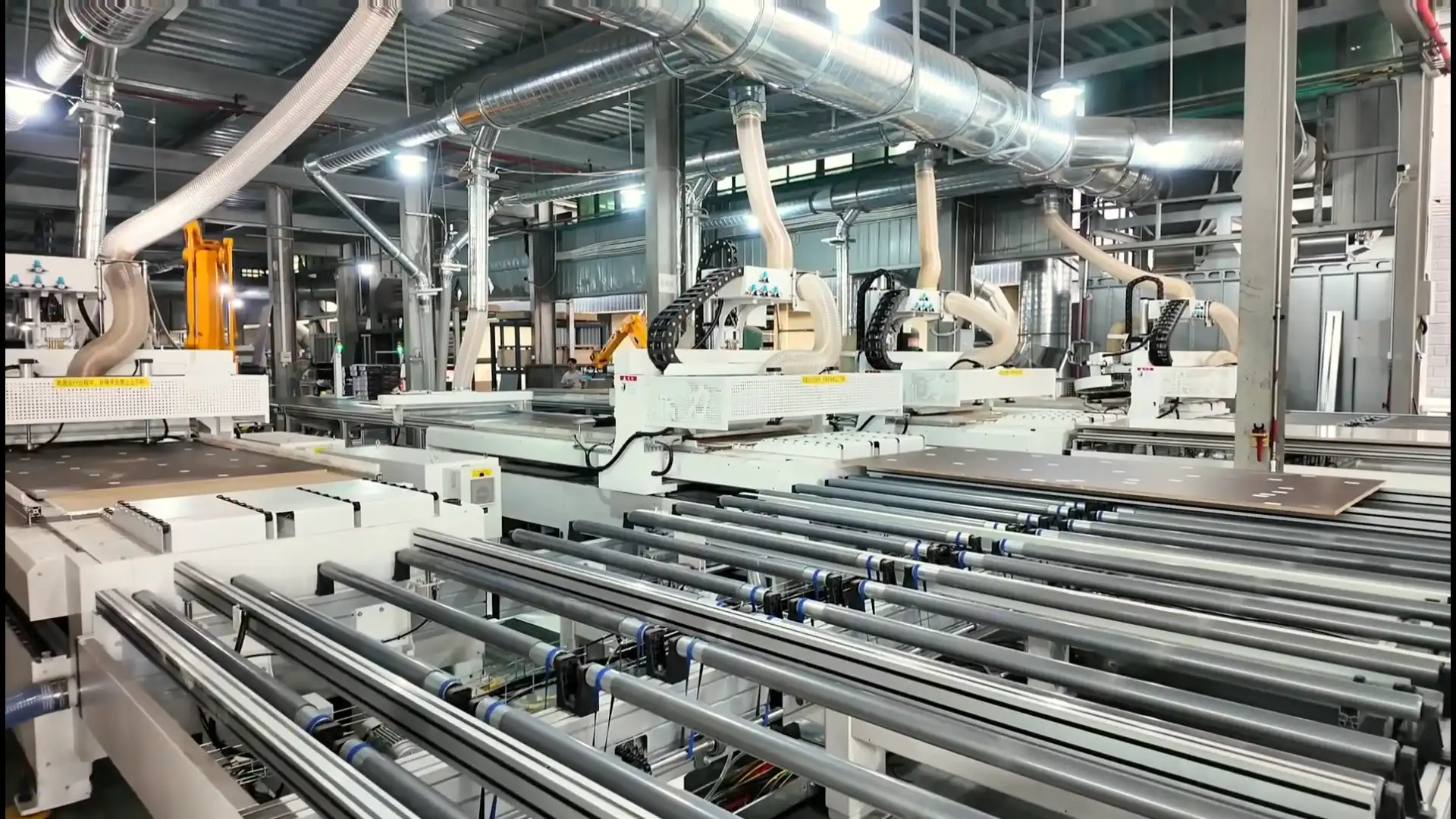
The terms are often used loosely, so put the actual work and ownership into writing. In an OEM cabinet project, the buyer normally supplies the brand direction and a detailed product brief; the manufacturer engineers, prices, and produces the selected cabinet package. In an ODM project, the manufacturer offers an existing construction system, designs, or modules that the buyer selects and adapts. Both may involve custom dimensions and finishes, but neither removes the need for technical approval.
On mobile, swipe left or right to compare OEM and ODM across all columns.
| Decision area | OEM cabinet manufacturing | ODM cabinet manufacturing |
|---|---|---|
| Starting point | Buyer’s defined range, drawings, component brief, or market concept | Factory’s existing cabinet platform, modules, construction, or design range |
| Buyer control | Usually higher over specification, branding, and product positioning | Focused on selecting and adapting an available platform |
| Development workload | More review is needed for dimensions, construction, samples, and compatibility | Often faster when the chosen platform already fits the market need |
| Best fit | Established dealers, project programs, distinctive private-label ranges | Buyers seeking a faster launch with controlled customization |
| Core risk | Incomplete inputs cause factory assumptions and late revisions | Assuming an existing system meets local size, material, or compliance needs without verification |
The commercial label does not decide quality or ownership by itself. Ask the manufacturer to describe the included engineering work, approved specification, tooling or sample charges where applicable, branding scope, confidentiality terms, change-control process, and responsibility for drawings and production files.
When should a B2B buyer choose OEM rather than ODM?
Choose OEM when your product needs a specific market position that an off-the-shelf system cannot deliver: a defined door construction, a unique finish range, cabinet dimensions that match your building program, proprietary packaging, or a controlled private-label specification. OEM is also useful when the dealer’s showroom displays must match a repeatable ordering system.
Choose ODM when speed, lower initial development effort, and a proven module base matter more than complete product originality. The buyer can still request practical adaptations such as a regional color palette, a selected handle range, drawer configuration, cabinet height, label layout, or carton artwork. Before deciding, review what can change without creating a new engineering or lead-time risk.
What should buyers prepare before requesting an OEM or ODM quote?
Give the factory a brief it can manufacture, not just a mood board. State the destination market, customer type, planned product range, budget position, product dimensions, target materials and finishes, hardware level, expected quantities, sample needs, delivery term, packaging, brand assets, and desired launch date. If drawings are not complete, identify each assumption explicitly and ask the factory to price it as an allowance or propose a solution.
On mobile, swipe left or right to view all RFQ requirements.
| Input | What to send | Decision it protects |
|---|---|---|
| Product definition | Room types, cabinet modules, dimensions, drawings or reference images, intended standard range | Prevents a quote based on an undefined scope |
| بناء | Carcass, door, back-panel, shelf, edge, countertop, hardware, accessories, moisture requirements | Allows fair technical and price comparison |
| Brand and packaging | Brand files, label content, carton artwork needs, language, room/cabinet coding, manuals, spare-parts expectations | Protects private-label presentation and site sorting |
| Commercial basis | Target volume, sample stage, currency, target delivery date, destination, preferred trade term | Clarifies price, MOQ, lead time, and logistics assumptions |
| Approval process | Named decision maker, sample criteria, drawing sign-off, change-control route, inspection criteria | Prevents production from starting on informal messages |
For a broader RFQ checklist, use what to prepare before requesting a cabinet quotation. A factory quote should show what is included, assumed, excluded, or proposed as an alternative. Do not compare totals until the technical basis is aligned.
How should a buyer control samples and production approval?
Use samples to validate both appearance and construction. For a visible door, approve color, sheen, edge profile, grain direction or permitted variation, handle position, and matching-panel logic. For cabinet carcasses and functional units, check substrate, thickness, drilling, edge sealing, back-panel construction, hinge and drawer operation, cut-outs, and the interfaces that affect installation.
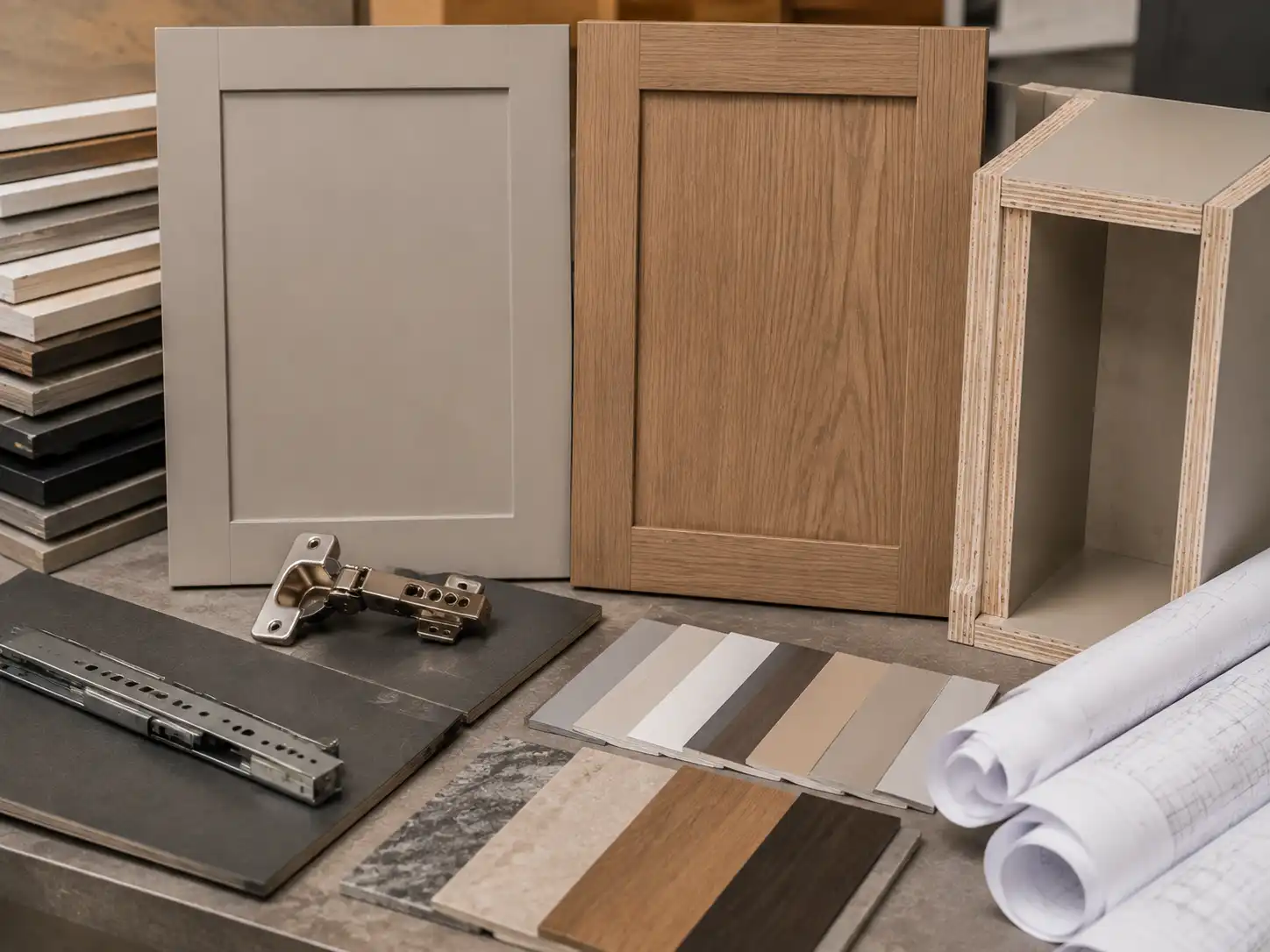
Keep the approved sample identified by date, product or finish code, component, and revision. For sensitive visible finishes, retain a control sample and agree on how early production is compared. A sample approval does not replace shop-drawing approval: drawings establish dimensions, cabinet codes, appliance interfaces, and quantities; samples establish physical reference. Production should begin only when both are controlled.
From a factory perspective, the most damaging changes arrive after material purchasing or machining. A revised door finish, appliance model, panel thickness, cabinet height, or packaging code can change yield, hardware drilling, carton size, and lead time. Require a dated change order that lists affected cabinet codes, cost effect, and programme effect before work proceeds.
What quality controls should an OEM or ODM cabinet order include?
Set inspection points before the order begins, and base them on the approved project record. A useful plan covers pre-production review, a first-piece check, in-process checks, final functional and appearance inspection, and packing verification. The buyer can inspect directly, request factory evidence, or use a third party, but the inspector still needs the latest drawings, approved samples, material schedule, cabinet codes, and acceptance criteria.
On mobile, swipe left or right to view all quality-control stages.
| Stage | What to verify | Release decision |
|---|---|---|
| Pre-production | Drawing revision, component schedule, samples, hardware, cabinet codes, quantities, packaging and labels | Release purchasing and machining only after conflicts are closed |
| First piece | Dimensions, construction, drilling, finish, gaps, hardware function and cut-outs | Correct the method before it repeats through the batch |
| In-process | Color consistency, edge treatment, component orientation, repeated-unit accuracy, cabinet identification | Contain defects before final assembly or packing |
| Final and packing | Door and drawer function, visible finish, accessories, carton protection, hardware packs, labels and packing list | Dispatch only when the package remains identifiable and installable at destination |
Link the operating team to a detailed cabinet quality-control checklist for contractors. For repeat programs, record recurring defects and corrective actions by cabinet code or component; this gives the next batch a practical prevention list rather than a generic quality promise.
How do private-label packaging and delivery affect the cabinet program?
Private-label presentation is part of the product system. Confirm which labels appear on cartons, individual components, hardware packs, manuals, and packing lists; which languages are required; and how room or cabinet codes relate to shop drawings. Good export packing protects faces, corners, glass, and hardware while allowing the receiving team to sort cartons by room or unit.
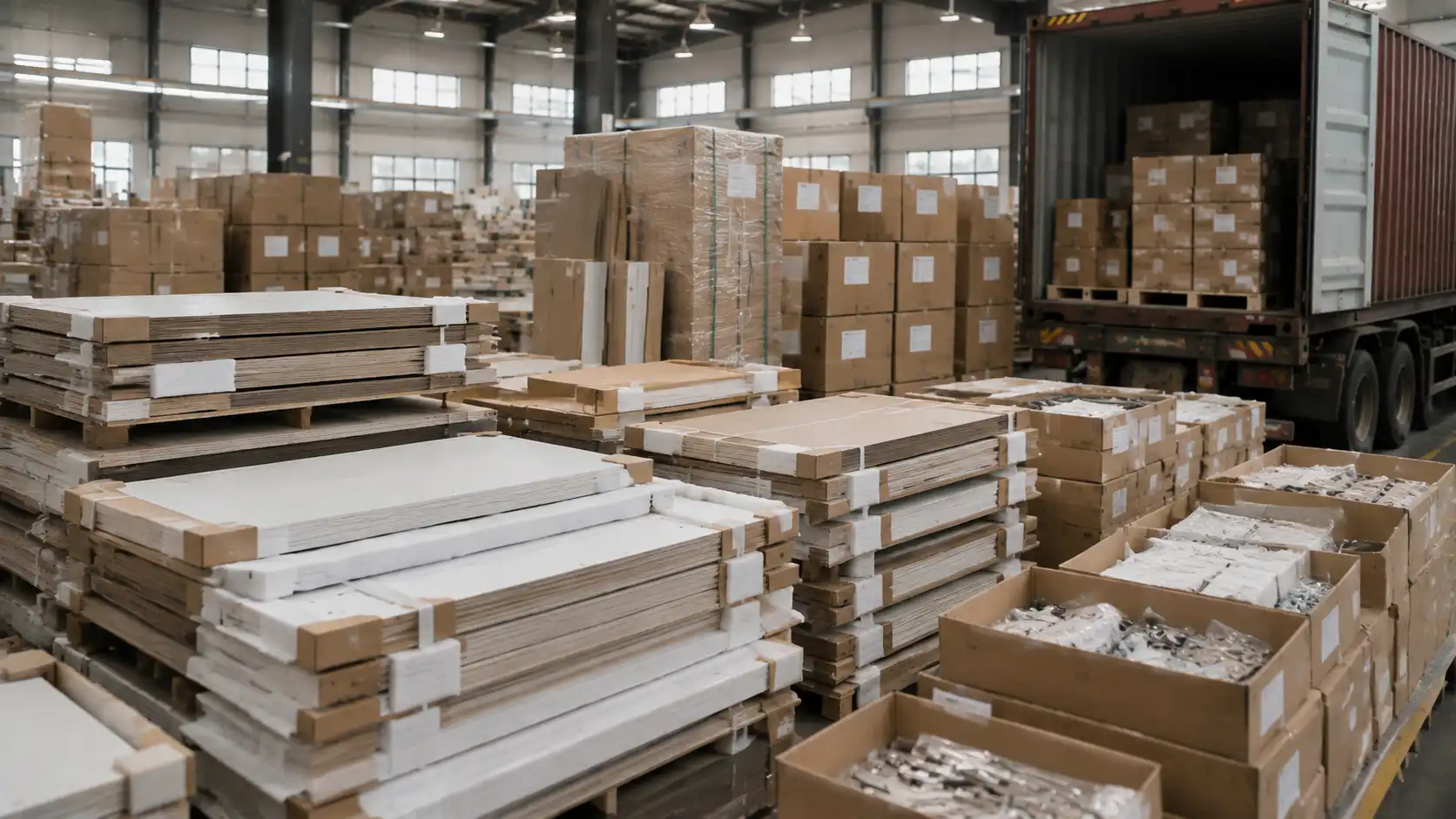
Agree the delivery responsibility in the contract. The buyer and seller should state the applicable trade term, handover location, export documents, freight and insurance scope, destination handling, and site-delivery exclusions. The ICC Incoterms?2020 overview is a useful common vocabulary, but it does not replace a project-specific agreement with the freight provider and parties to the sale.
Common OEM and ODM cabinet manufacturing mistakes
On mobile, swipe left or right to view all table columns.
| Mistake | Why it creates risk | Better control |
|---|---|---|
| Calling a project OEM or ODM without defining the actual scope | Ownership, engineering, pricing, and approval expectations remain unclear | List deliverables, permitted adaptations, responsibilities, and approval gates in writing |
| Quoting from photos only | Construction, size, hardware, and packaging assumptions remain invisible | Issue a component schedule and ask the factory to state every assumption |
| Approving a finish without a control sample | Batch color and sheen cannot be assessed consistently | Keep dated, identified samples for the relevant visible components |
| Starting production from chat messages | Revision control and responsibility are lost | Use dated drawings and change orders with affected cabinet codes |
| Leaving labels and spares until packing | Site sorting and after-sales work become slow and error-prone | Make codes, hardware packs, spares, and packing-list data part of the order basis |
| Measuring the first order only by unit price | Repeat-order capability and defect resolution remain untested | Review lead time, QC evidence, packing accuracy, claims response, and sample-to-batch consistency |
OEM and ODM cabinet order checklist
- ☐Decide whether the program is OEM, ODM, or a defined hybrid, and write the actual scope of work.
- ☐Issue a product matrix covering modules, dimensions, materials, finishes, hardware, accessories, and expected quantities.
- ☐Identify brand, label, carton, language, manual, room-code, and spare-parts requirements.
- ☐Ask the factory to list price assumptions, exclusions, MOQ, sample process, development steps, and lead-time dependencies.
- ☐Approve drawings and physical samples separately, with a named release owner and dated revision record.
- ☐Define first-piece, in-process, final, and packing checks with evidence and defect-closure ownership.
- ☐Confirm trade term, shipment handover, documents, insurance scope, destination responsibilities, and delivery exclusions.
- ☐Review the first order for repeatability: product accuracy, color consistency, packing, installation feedback, and replacement-parts response.
Frequently asked questions
Is OEM or ODM better for a new cabinet dealer?
ODM is often the faster starting route when a factory already has a cabinet platform that fits your target market. OEM becomes more valuable when you have a defined range, distinctive brand requirements, or repeat project specifications. The right choice depends on how much design control you need and how much development work you can manage before launch.
Can OEM cabinets still use a factory’s standard modules?
Yes. OEM does not require inventing every cabinet from zero. A buyer can define a private-label range using proven factory modules while controlling selected dimensions, finishes, hardware, packaging, and brand presentation. The contract should state which components are standard, which are custom, and what approval is required for each.
What is the minimum information needed for an OEM cabinet quote?
Provide the destination, product range, drawings or reference dimensions, materials, finishes, hardware, target quantities, packaging, private-label requirements, requested delivery date, and inspection expectations. If any choice is open, identify it as an assumption request. The factory needs a written component basis to quote responsibly.
Who owns cabinet drawings in an OEM or ODM project?
Ownership and permitted use should be agreed in the commercial documents; do not assume the label OEM or ODM resolves it. Clarify who supplies concept drawings, who develops shop drawings, who approves them, whether they may be reused, and how confidential product information is handled. Obtain appropriate legal advice for your market and agreement.
How can buyers prevent a sample from differing from production?
Approve dated and identified control samples for visible finishes, define permitted variation where relevant, and check first production against the reference under appropriate lighting. Combine this with approved drawings and a component schedule; the sample controls appearance, while the documents control dimensions, construction, hardware, and quantities.
What private-label details should appear on cabinet packaging?
Agree the brand elements, carton and component labels, language, cabinet or room codes, hardware-pack identification, manuals, packing-list format, and spare-parts markings. The system should preserve both brand presentation and installation traceability. A carton that looks correct but cannot be matched to a room or cabinet code still creates a site risk.
Turn a cabinet concept into a controlled B2B product program
Reliable OEM and ODM cabinet manufacturing is a documented process, not a label placed on a quote. When the buyer controls the product brief, samples, drawings, inspections, packaging, and repeat-order review, the factory can build a private-label cabinet range with fewer assumptions and fewer avoidable claims.
Contact KEJIA for OEM/ODM cabinet manufacturing support. Send your target market, product matrix, drawings or references, planned volumes, packaging requirements, and launch timing for a factory review and quotation.