


After decades of tearing down old kitchens and building new ones, I’ve realized that the most expensive materials can’t save a poor layout. In the United States, the kitchen isn’t just a place to boil water; it is the “nerve center” of the home.
True American kitchen cabinet design is a response to a specific set of cultural behaviors. If you are planning a remodel, understanding these habits is the difference between a kitchen that looks like a museum and one that works like a high-performance machine.
1. The “Big Box” Shopping Habit & High-Volume Storage
Unlike European households that shop daily for fresh ingredients, Americans are masters of bulk procurement. The “Costco effect” means our cabinets must house 30-roll packs of paper towels, gallon-sized cereal boxes, and massive bags of flour.
Beyond the Standard Pantry
In modern American kitchen cabinet design, the traditional reach-in pantry is being replaced by integrated tall cabinets with heavy-duty pull-out systems.
-
Weight Capacity: We now specify glides that handle 150 lbs or more to support rows of canned goods.
-
Full-Depth Utilization: Standard 24-inch deep base cabinets often become “black holes.” We solve this with full-extension drawers, ensuring that the jar of pickles at the very back is as accessible as the one at the front.
2. The Multi-Generational Social Hub
The American kitchen is a high-traffic zone. On any given afternoon, it’s a homework station, a home office, and a snack bar simultaneously.
Zoning Your Cabinetry
Professional American kitchen cabinet design now focuses on “Point of Use” storage:
-
The Coffee/Beverage Station: Dedicated cabinets with retractable pocket doors hide espresso machines and pods, keeping the main counters clear.
-
The Homework/Tech Drawer: We are increasingly installing “charging drawers” equipped with UL-listed power strips inside the cabinetry to hide messy cords for iPads and phones.
-
Seating Overhangs: Islands are no longer just prep surfaces; they require specific cabinet bracing to support heavy quartz overhangs for bar-stool seating.
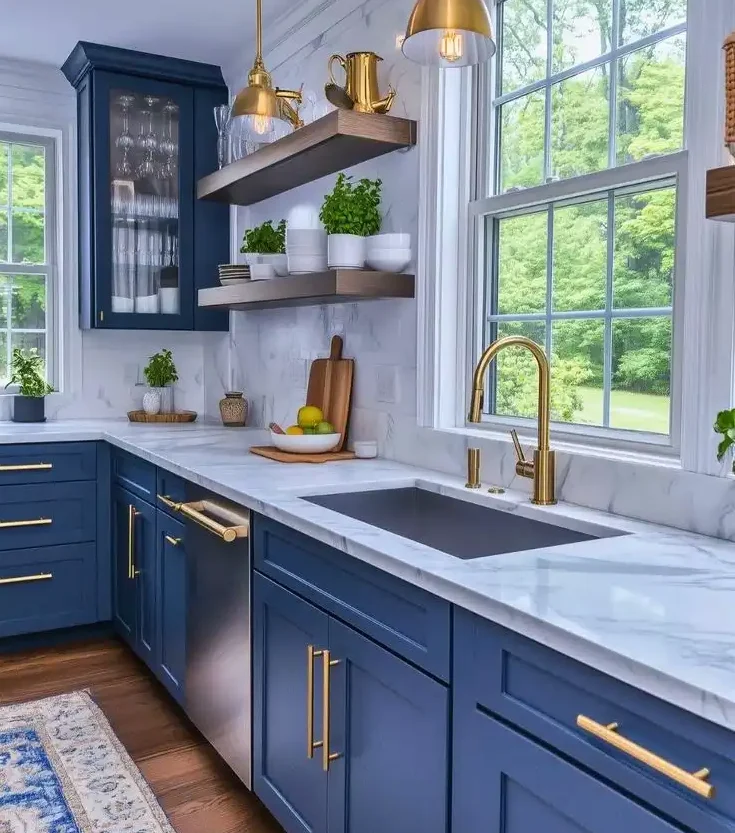
3. The “Appliance-itis” Epidemic
The average American home owns 10–15 small countertop appliances (Air fryers, Instant Pots, Vitamix blenders, Stand Mixers). Without a strategic plan, these clutter the workspace and ruin the kitchen’s aesthetic.
Innovative Appliance Housing
-
The Appliance Garage: A staple of high-end American kitchen cabinet design, these units use “lift-up” or “tambour” doors.
-
Heavy-Duty Mixer Lifts: For the heavy KitchenAid stand mixer, we install spring-loaded shelves that swing up from a base cabinet to counter height, eliminating the need to lift 25 lbs of dead weight.
-
Deep Pot Drawers: We are replacing lower “door-and-shelf” combos with 12-inch to 15-inch deep drawers to house slow cookers and pressure machines.
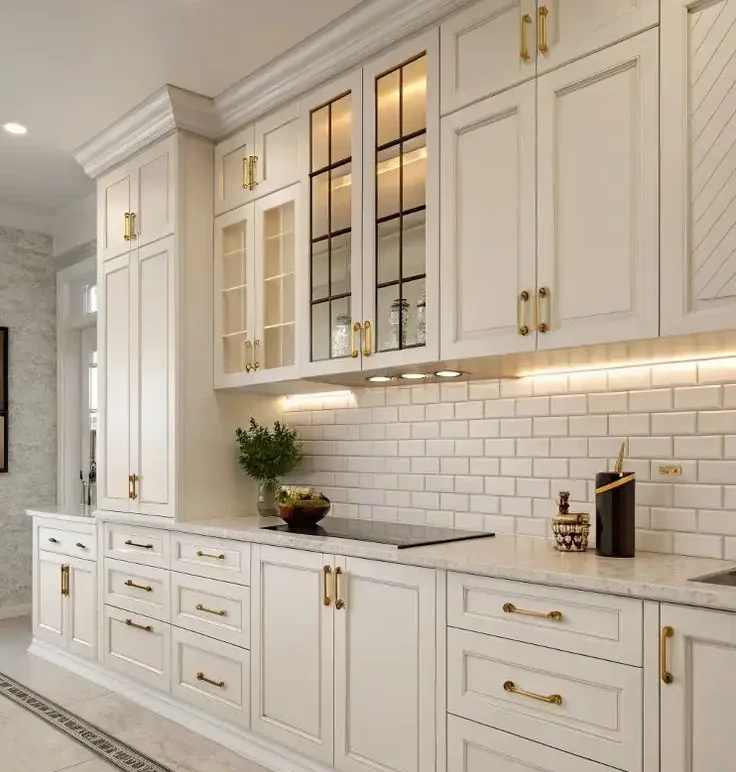
4. The Engineering of the “Open Concept”
In the U.S., the kitchen is usually visible from the front door. This “fishbowl” effect raises the stakes for cabinet construction and aesthetics.
Visual and Structural Integrity
-
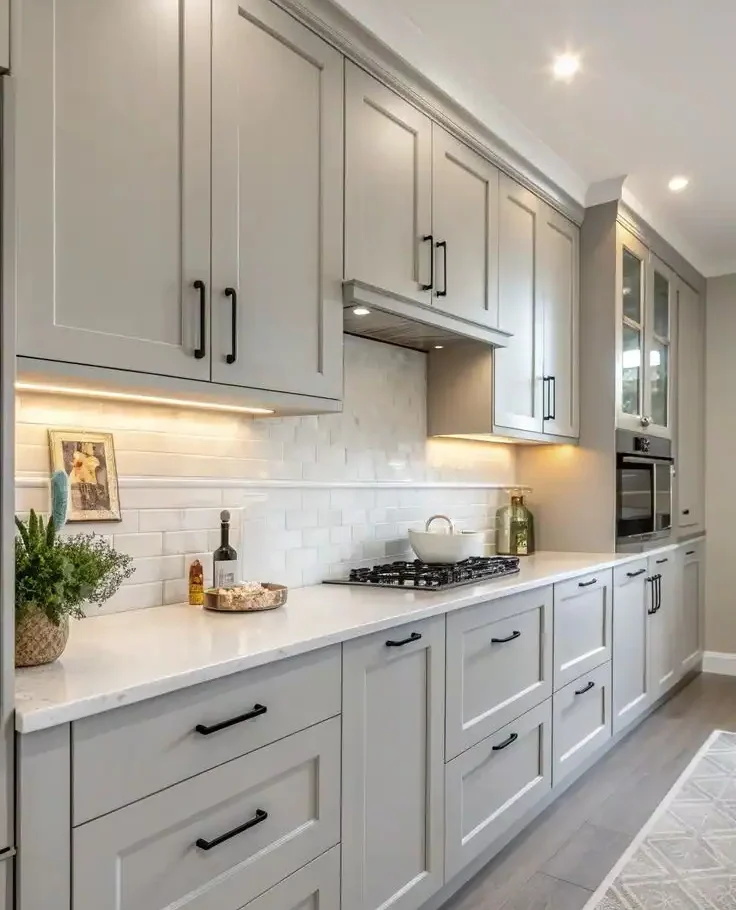
Flush Inset vs. Full Overlay: In American kitchen cabinet design, the choice of door style dictates the “visual noise” of the room. Full overlay provides a sleek, modern look, while inset cabinetry offers a timeless, furniture-like feel.
-
Consistent Reveal Gaps: When a kitchen is open to the living room, even a 1/16th-inch misalignment in cabinet doors stands out. High-quality 6-way adjustable hinges are mandatory for long-term alignment.
-
Finished Ends: Every exposed side must be treated as a decorative “end panel” to match the furniture in the adjacent dining area.
5. Waste Management: The Hidden Hero
One habit often overlooked is the sheer volume of waste and recycling generated by a typical American household.
Double Trash Pull-Outs
You will rarely find a standalone trash can in a professionally designed American kitchen. American kitchen cabinet design almost always integrates a double-bin trash pull-out (one for landfill, one for recycling) near the sink or prep area.
-
Odors & Mechanics: We use specialized “soft-close” heavy-duty slides and high-density polymer bins that can be easily sanitized.
6. Durability in the Face of “Heavy Use”
American families “live hard” in their kitchens. Pets, kids, and frequent entertaining mean cabinets take a beating.
Materials That Last
-
The Plywood vs. Particle Board Debate: For longevity, most contractors recommend furniture-grade plywood boxes. They hold screws better and resist moisture from occasional sink leaks.
-
Finish Technology: Conversion varnish or high-pressure laminates are preferred over standard paint because they resist the oils from human hands and the humidity of cooking.
-
The “Workhorse” Hardware: We prioritize Austrian or German-engineered hinges and drawer glides. If the hardware fails, the cabinet is useless.
7. Maximizing the “Dead Corner”
The L-shape and U-shape layouts common in U.S. suburban homes create the dreaded “corner cabinet.”
Corner Solutions
Modern American kitchen cabinet design has evolved beyond the clunky plastic Lazy Susan. We now use:
-
Blind Corner Pull-outs (The Cloud): Shelves that swing entirely out of the cabinet for 100% access.
-
Corner Drawers: Specially engineered drawers that pull out into the center of the room, utilizing the full diagonal depth of the corner.
Why Expert Planning Matters
A kitchen remodel is one of the most significant investments a homeowner will make. Choosing a “standard” layout often leads to long-term frustration because it ignores the specific choreography of your daily life.
By focusing on American kitchen cabinet design that prioritizes ergonomics, bulk storage, and appliance integration, you ensure that your kitchen remains functional for the next 20 years.
Ready to Build a Kitchen That Actually Works?
If you’re tired of cluttered counters and “lost” items in the back of your shelves, it’s time for a professional layout review. Our team specializes in habit-based cabinetry solutions that turn your kitchen into the most efficient room in the house.
👉 Contact us today for a cabinet design consultation and let’s plan a space that fits your life.