


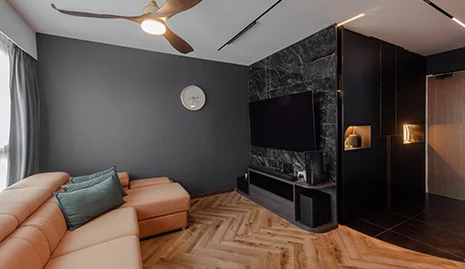
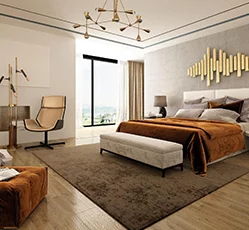
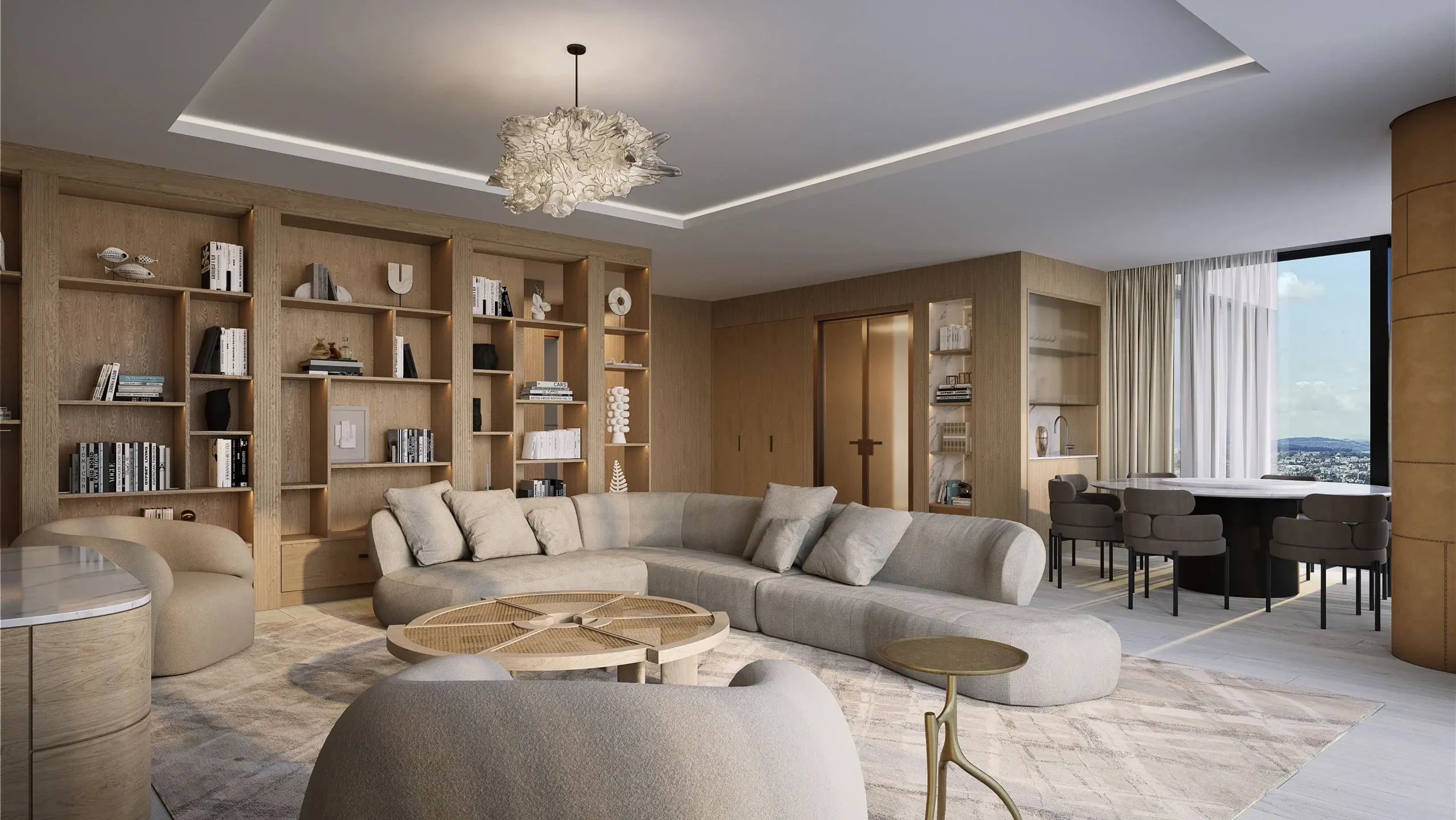
In the architectural landscape of 2026, the open-plan floor center remains the dominant preference for luxury residential construction and modern renovations. However, the transition to open concept kitchen design presents a unique psychological and functional paradox: the very openness that creates a sense of fluid space and light also exposes the inherent “chaos” of culinary production to the rest of the home. Without a rigorous, engineering-based strategy for concealment, the kitchen quickly transitions from a design centerpiece to a source of “visual noise” that disrupts the tranquility of the living and dining areas.
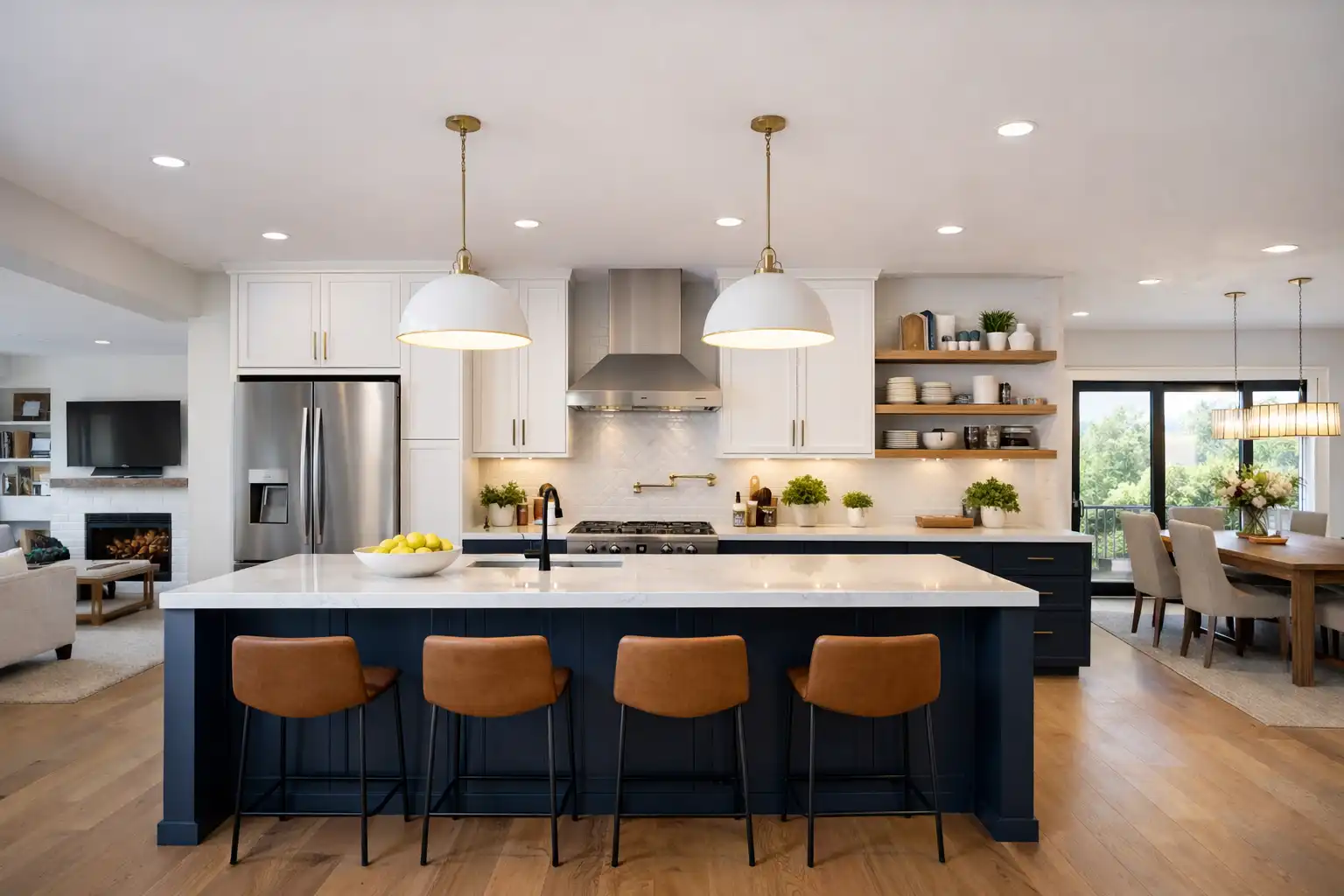
As a custom cabinetry specialist and general contractor, I believe that the success of an open concept kitchen design is not measured by its aesthetic beauty when empty, but by its capacity to hide the mess during and after use. Achieving this pristine state requires moving beyond simple storage and into the realm of “Concealment Engineering.” By implementing the following professional standards, we can ensure that your kitchen remains a seamless, organized extension of your primary living space.
1. The Scullery Architecture: Engineering the “Mess Zone”
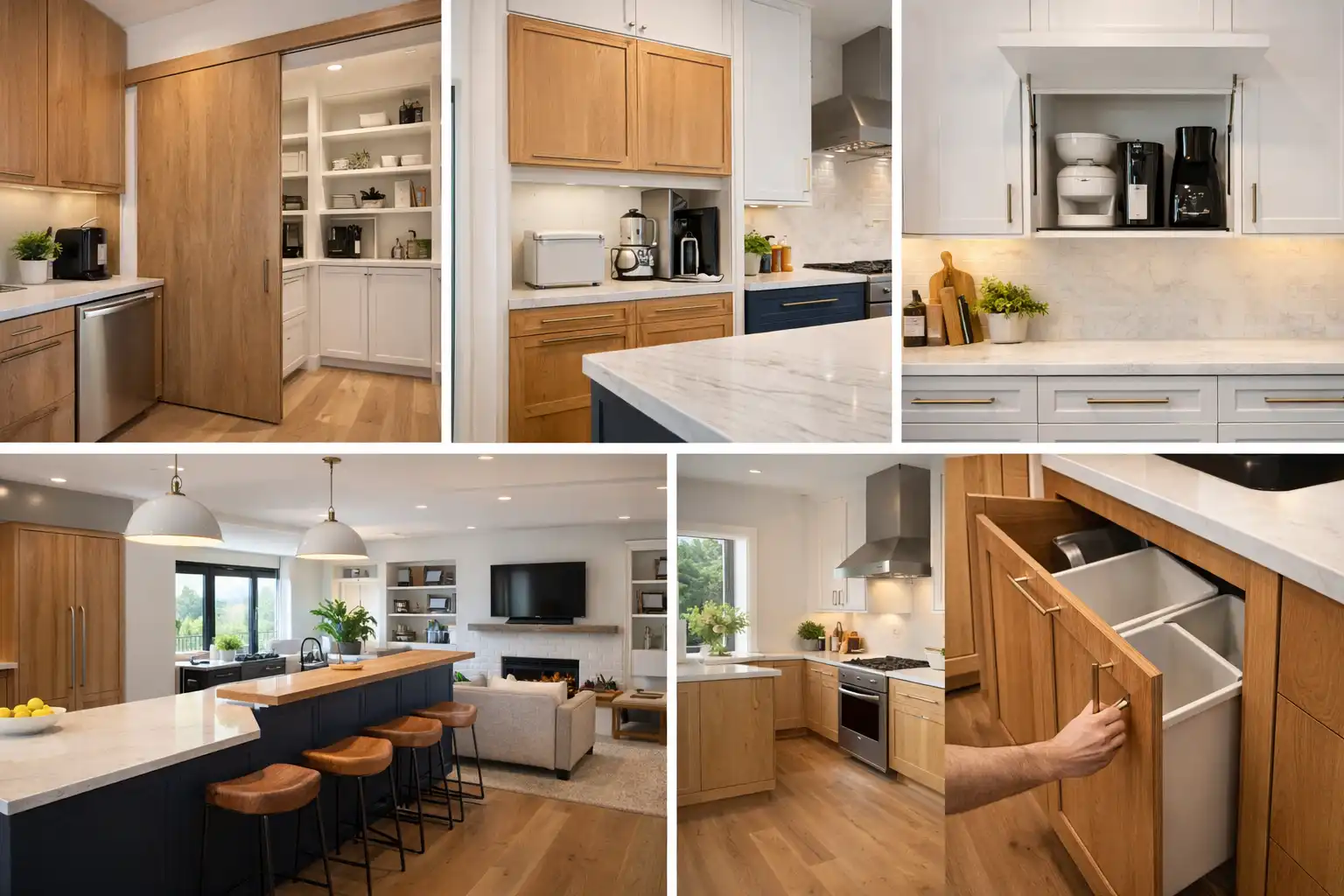
The most effective strategy in high-performance open concept kitchen design is the strategic integration of a “Scullery” or “Back Kitchen.” This is not merely a pantry; it is a secondary, fully functional work zone hidden behind a seamless cabinetry portal or a sophisticated pocket door system.
The Dual-Kitchen Logic
In a professional open concept kitchen design, we divide the footprint into the “Show Kitchen” and the “Work Kitchen.”
-
The Show Kitchen: Located in the primary open area, this part of the open concept kitchen design is reserved for light prep, social interaction, and serving. It features high-end materials like book-matched stone and decorative lighting.
-
The Work Kitchen (Scullery): This enclosed area houses the primary cleanup zone, the main sink, the heavy-duty dishwasher, and all bulky small appliances. By sequestering 80% of the kitchen’s functional clutter in this secondary space, your open concept kitchen design maintains its minimalist integrity even during a five-course dinner party.
Technical Requirements for Sculleries
A scullery within an open concept kitchen design must have its own dedicated high-CFM ventilation and independent plumbing lines. From a capital allocation perspective, we recommend investing in furniture-grade finishes for the visible cabinets while utilizing durable, high-pressure laminates in the hidden scullery. This ensures the open concept kitchen design is both economically efficient and functionally superior.
2. Advanced Appliance Camouflage and Integrated Hardware
In an open concept kitchen design, the presence of multiple stainless steel surfaces can fracture the visual continuity of the room, making it feel industrial rather than domestic. The absolute standard for visual organization involves “Active Concealment.”
The “Appliance Garage” Evolution
We utilize motorized “Lift-Up” door systems or side-recessing “Pocket Doors” to create appliance garages that sit flush with the main cabinetry run. These allow high-frequency tools like espresso machines, blenders, and air fryers to be accessible within seconds but completely invisible when not in use. This level of concealment is the hallmark of a world-class open concept kitchen design-
Fully Integrated Paneling Standards
มืออาชีพ open concept kitchen design dictates that the refrigerator, freezer, and dishwasher must be “Panel-Ready.” By applying custom-milled wood or lacquer panels that perfectly match the surrounding cabinetry, these large mechanical blocks disappear into the architectural wall. This turns the kitchen into a furniture-grade feature wall, which is essential for maintaining the “living room feel” in a modern open concept kitchen design-
3. The Geometry of the “Shielded” Island
The kitchen island is the gravitational center of any open concept kitchen design, but a traditional flat-top island acts as a stage for every crumb, spill, and unwashed pot.
The Split-Level Visual Barrier
To solve the “clutter exposure” problem, we implement a “Split-Level” or “Tiered” island design. A raised ledge (usually set at a bar height of 42 inches) on the side facing the living room acts as a critical visual “shield.” It allows guests to sit and interact with the chef while physically blocking the view of the lower, 36-inch high prep surface where the actual mess is occurring.
Material Zoning for Ergonomics
In a sophisticated open concept kitchen design, this tiered approach allows for “Material Zoning.” We often specify a high-durability Sintered Stone (like Dekton) for the lower prep surface to handle heat and scratching, and a warm, furniture-grade wood or polished quartz for the raised social ledge. This adds both architectural depth and functional durability to the open concept kitchen design-
4. Acoustic Damping and Odor Management
Organization in open concept kitchen design is not just about what you see; it is about managing the invisible layers of the environment—sound and smell.
Engineering the Acoustic Environment
Hard surfaces (stone, glass, and wood) in a kitchen reflect sound, causing the “clatter” of cooking to echo into the living area. In our 2026 open concept kitchen design projects, we integrate acoustic-absorbing materials into the underside of cabinetry and use “Silent-Close” technology on every drawer. We also specify “Quiet-Pack” dishwashers (operating below 39 dBA) to ensure the open concept kitchen design does not interfere with the household’s audio-visual experience.
High-Volume Air Extraction
Odors are a significant deterrent to open concept kitchen design. We mandate the installation of an externally-vented range hood with a minimum of 600-900 CFM. Furthermore, we recommend that the hood be 6 inches wider than the cooktop to create a larger “capture zone,” preventing grease and cooking smells from embedding themselves into the upholstery of the living room furniture—a vital detail in long-term open concept kitchen design maintenance.
5. Lighting as a Concealment Tool
Lighting is the “secret weapon” of the open concept kitchen design. By using “Scene Control” technology, we can manipulate what is visible at different times of the day.
-
Task Mode: During cooking, the prep areas are brightly lit with 3000K high-CRI LEDs.
-
Entertaining Mode: We dim the lights over the cleanup zone and prep counters, effectively using shadow to hide the post-cooking mess. Meanwhile, we highlight the architectural island and decorative backsplashes. This “lighting camouflage” is an essential component of professional open concept kitchen design-
FAQ: Resolving Common Open Concept Challenges
Does open concept kitchen design negatively impact home acoustics?
If not planned correctly, yes. However, by using soft-closing hardware and integrated acoustic panels, you can mitigate these issues. In a high-end open concept kitchen design, sound management is as important as cabinetry color.
How do I handle trash and recycling in an open concept layout?
We integrate dual-bin “Trash Pull-outs” directly into the open concept kitchen design near the sink. This ensures that refuse is always hidden from view and odors are contained within a sealed cabinet environment.
What is the most durable floor for a seamless open concept look?
To maintain visual organization, we recommend using the same flooring throughout. Engineered hardwood with a high-durability finish or Luxury Vinyl Plank (LVP) are the standards for open concept kitchen design because they handle moisture in the kitchen and provide warmth in the living room.
Is it expensive to add a scullery to an open concept kitchen design?
While it increases the square footage of the cabinetry, it often allows you to use cheaper materials in the hidden area, balancing the overall open concept kitchen design budget while significantly increasing the home’s resale value.
Conclusion: The Absolute Standard of Modern Living
Achieving a pristine open concept kitchen design is a complex exercise in strategic engineering. It is the art of creating a space that is as functional as a laboratory but as aesthetically tranquil as a gallery. By prioritizing scullery integration, appliance camouflage, and intelligent acoustic management, you can enjoy the social benefits of an open home without the stress of constant visual and sensory clutter.
If you are ready to transform your floor plan into a masterpiece of open concept kitchen design, our architectural team is prepared to engineer a solution that fits your specific lifestyle. Contact us today to begin your home’s structural evolution.
[Request a Professional Layout Analysis – Master Your Open Concept Design]