
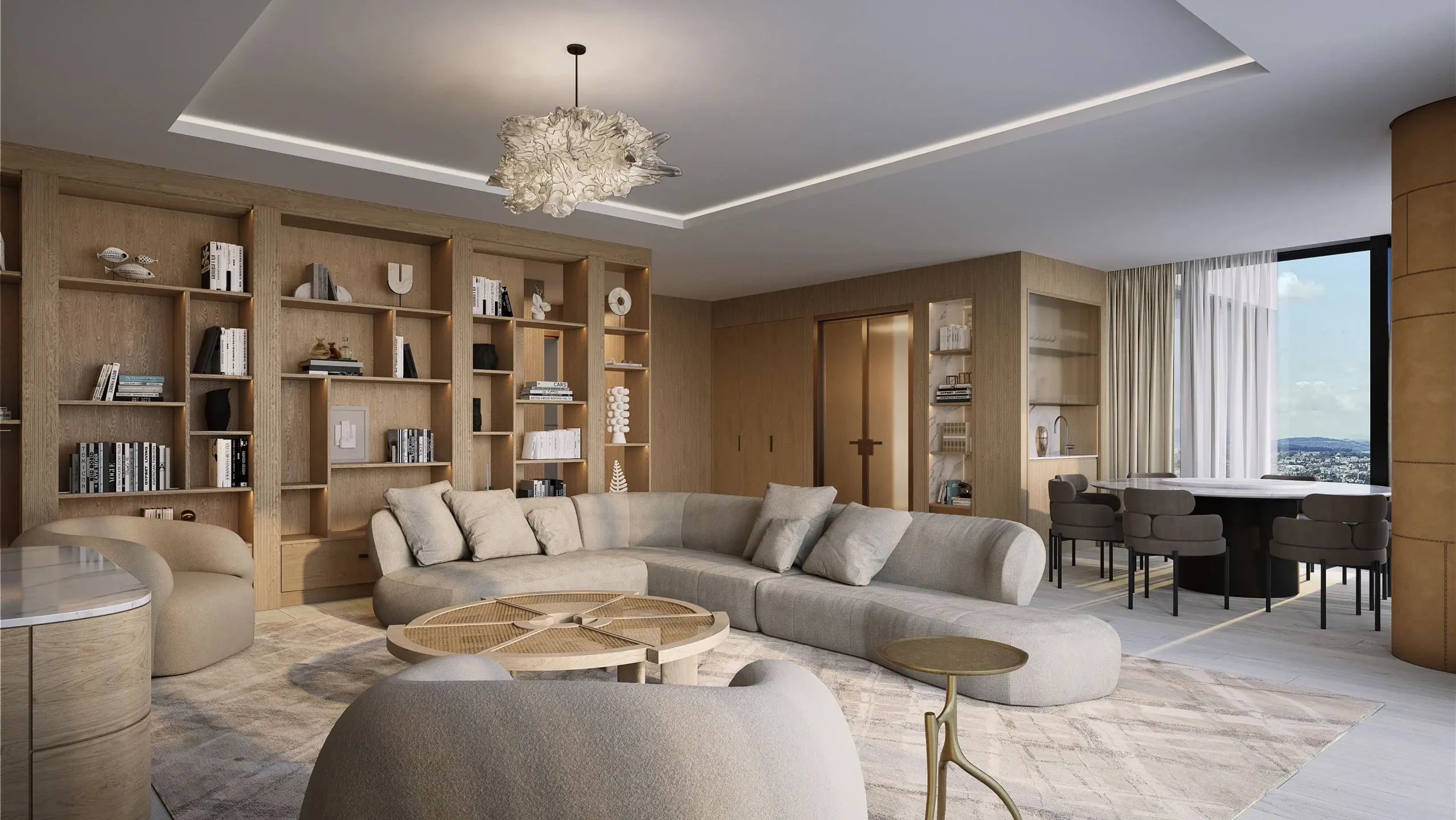
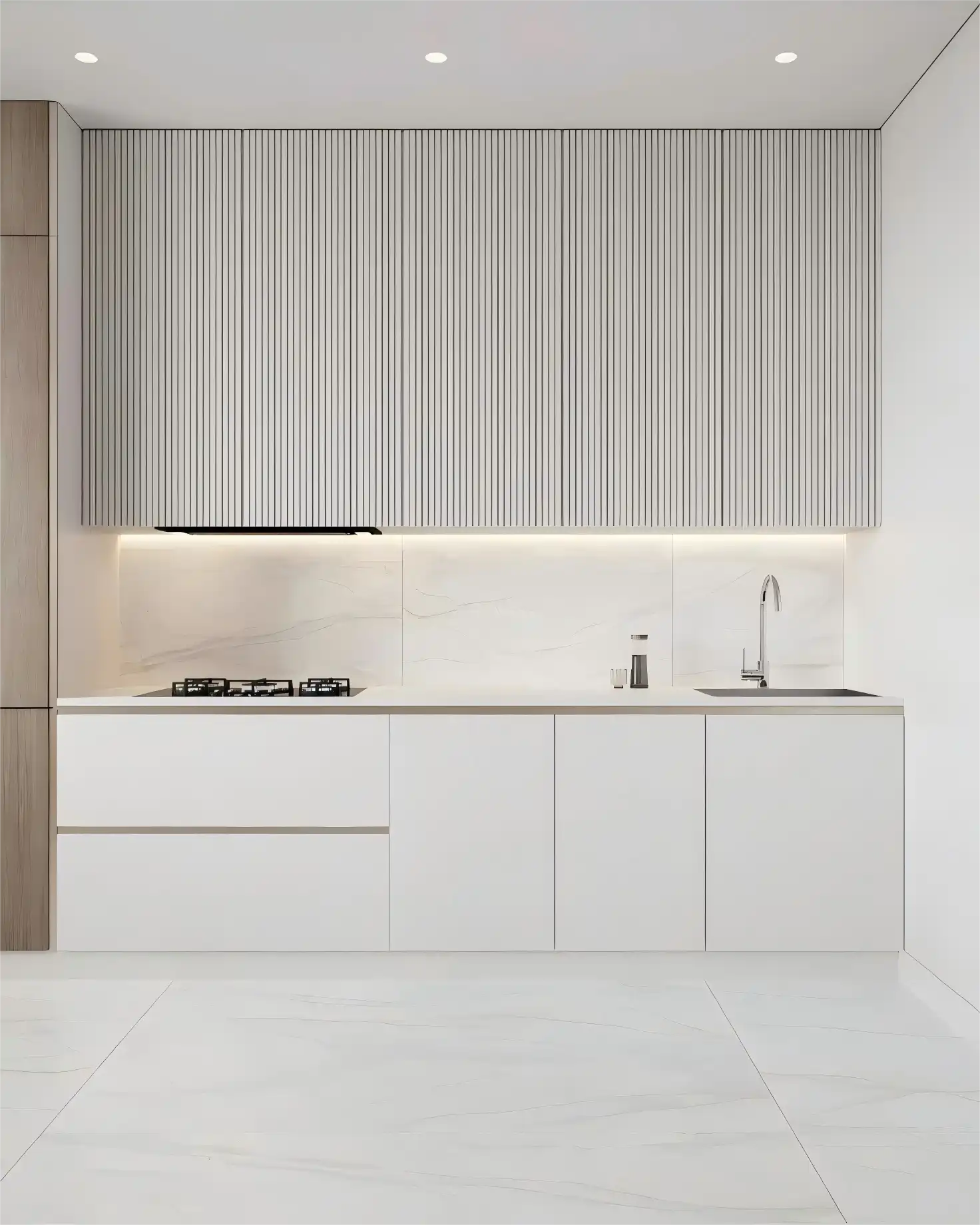
ในการออกแบบห้องครัวที่ทันสมัย ตู้ครัวร่อง กำลังกำหนดนิยามใหม่ของภาษาเชิงพื้นที่ด้วยความรู้สึกด้านจังหวะอันเป็นเอกลักษณ์ การฟื้นฟูองค์ประกอบการออกแบบนี้ไม่ใช่เรื่องบังเอิญ รากฐานของมันย้อนกลับไปที่เสาร่องของสถาปัตยกรรมกรีกและโรมันโบราณ ซึ่งเป็นแบบจำลองของความงามตามสัดส่วนและความเป็นเลิศทางโครงสร้าง ปัจจุบัน ธีมคลาสสิกนี้ได้รับบริบทที่ทันสมัย ทำให้พื้นที่ห้องครัวกลับมาโดดเด่นอีกครั้ง
หลังจากหลายปีที่ครอบงำด้วยความเรียบง่าย สุนทรียภาพในบ้านร่วมสมัยกำลังมองหาการแสดงออกที่สมดุลระหว่างความสงบเรียบร้อยกับความอบอุ่น ตู้ร่องใช้แสงและเงาที่เชื่อมโยงกันบนพื้นผิวแนวตั้งเพื่อทำลายความซ้ำซากจำเจของประตูบานเรียบ ขณะเดียวกันก็หลีกเลี่ยงการตกแต่งที่หรูหราจนเกินไป พื้นผิวสามมิติที่เหมือนนูนสร้างเอฟเฟกต์ภาพไดนามิกภายใต้สภาพแสงที่แตกต่างกัน ทำให้เกิดจังหวะเชิงพื้นที่ที่ซ้อนกันหลายชั้น
การออกแบบนี้นอกเหนือไปจากการพิจารณาเรื่องสุนทรียภาพล้วนๆ:
-
การเพิ่มประสิทธิภาพการทำงาน: โครงสร้างร่องช่วยเพิ่มการยึดเกาะและซ่อนรอยนิ้วมือและรอยขีดข่วนในชีวิตประจำวันได้อย่างมีประสิทธิภาพ
-
การปฏิบัติจริง: Modern material technologies address the traditional pain points of dust accumulation and difficult cleaning in solid wood grooves, achieving a balance between “visual sophistication” and “everyday utility.”
ไม่ว่าคุณจะแสวงหาพื้นผิวที่เป็นธรรมชาติของสไตล์ Wabi-Sabi หรือความทันสมัยที่ตัดกันของแสงที่หรูหรา ตู้ครัวร่อง เสนอความเป็นไปได้ที่หลากหลาย พวกเขาเชื่อมโยงประเพณีเข้ากับความทันสมัย และสุนทรียศาสตร์เข้ากับการใช้งาน ซึ่งเป็นจุดสนใจหลักของคู่มือนี้
การออกแบบแกนหลักและการเลือกใช้วัสดุ
คำจำกัดความหลัก
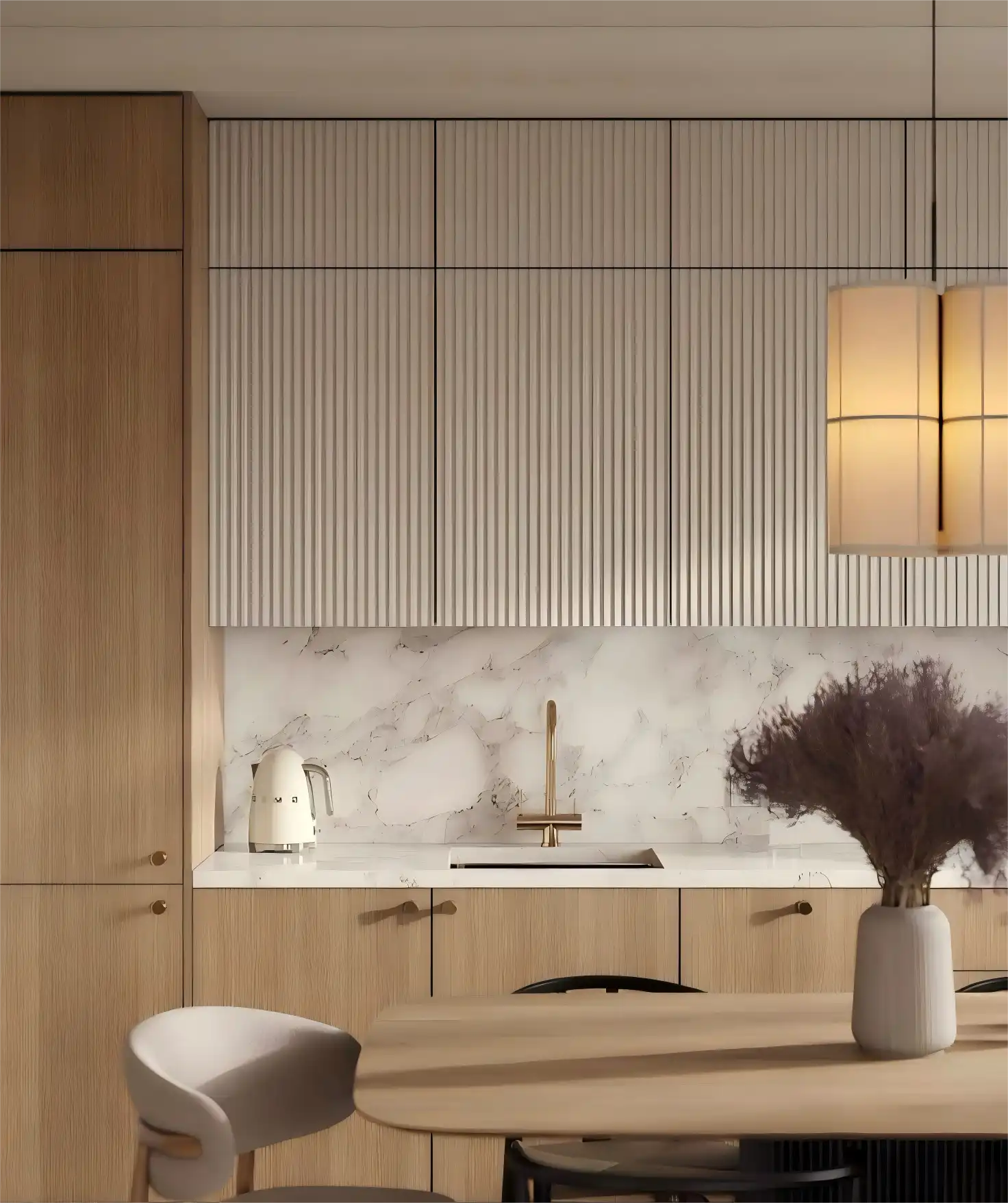
ลักษณะเด่นที่สุดของ ตู้ครัวร่อง คือชุดลายเส้นแนวตั้งที่บานประตูและหน้าลิ้นชักเรียงกันสม่ำเสมอ เส้นเหล่านี้เปลี่ยนพื้นผิวเรียบให้เป็นองค์ประกอบแบบไดนามิกที่มีความลึกและมิติ โดยใช้เงาที่เปลี่ยนแปลงระหว่างเส้นเพื่อเพิ่มจังหวะและความน่าสนใจให้กับพื้นที่ห้องครัว
-
การพิจารณาขนาด: โดยทั่วไปความกว้างของร่องจะอยู่ระหว่าง $1/4$ และ $3/4$ นิ้ว โดยมีความลึกตั้งแต่ $1/2$ ถึง $1$ นิ้ว ระยะห่างแตกต่างกันไปจาก $1$ ถึง $3$ นิ้วขึ้นอยู่กับสไตล์ที่ต้องการ ร่องที่แคบจะดูประณีตและละเอียดอ่อนยิ่งขึ้น ในขณะที่ร่องที่กว้างกว่าจะดูทันสมัยกว่า
-
ความแตกต่างที่สำคัญ: ประตูแบบแบนทำหน้าที่เป็นพื้นหลัง ในขณะที่การออกแบบแบบร่องนั้นทำหน้าที่เป็นลักษณะทางสถาปัตยกรรม โดยเชื่อมโยงงานฝีมือแบบดั้งเดิมเข้ากับสุนทรียศาสตร์สมัยใหม่ผ่านความแม่นยำทางเรขาคณิต
การวิเคราะห์วัสดุ
| ชื่อวัสดุ | ข้อดี | คำแนะนำการใช้งานที่สำคัญ |
| ไม้เนื้อแข็ง | มอบความอบอุ่นและเนื้อสัมผัสตามธรรมชาติที่ไม่อาจทดแทนได้ ความหนาแน่นสูงและความเสถียรของโครงสร้างช่วยให้มั่นใจได้ถึงคุณค่าในระยะยาว และ คราบที่ก่อตัวเมื่อเวลาผ่านไปกลายเป็นรอยนิ้วมืออันเป็นเอกลักษณ์ | ต้องแว็กซ์และทำความสะอาดเป็นประจำ บริเวณที่มีความชื้นสูง เช่น รอบอ่างล้างจาน จะต้องได้รับการซีลเป็นพิเศษและป้องกันความชื้น |
| แผ่นใยไม้อัดความหนาแน่นปานกลาง (MDF) | โครงสร้างที่เป็นเนื้อเดียวกันนั้นง่ายต่อการตัดอย่างแม่นยำและทาสี ทำให้ได้สีที่สม่ำเสมอและอิ่มตัว ประสิทธิภาพด้านต้นทุนสูง ทำให้เป็นตัวเลือกอันดับต้นๆ สำหรับโครงการที่เน้นการออกแบบและมีงบประมาณจำกัด | ห้ามมิให้ติดตั้งโดยตรงในพื้นที่เปียกโดยเด็ดขาด ต้องผ่านกระบวนการซีลสามชั้น (การซีลขอบ สีรองพื้น สีทับหน้า) |
| พีวีซี | ประสิทธิภาพการกันน้ำที่ดีเยี่ยม เหมาะสำหรับสภาพแวดล้อมที่มีความชื้นสูงหรือบ้านที่มีเด็กๆ น้ำหนักเบา ช่วยให้ติดตั้งตู้ด้านบนได้ง่ายขึ้น และลดภาระของโครงสร้าง | เอฟเฟกต์สามมิติของร่องจะอ่อนลง ซึ่งจำกัดผลกระทบด้านสุนทรียะ เหมาะสำหรับพื้นที่ใช้สอยเน้นฟังก์ชั่นแรกหรือระยะสั้นมากกว่า |
รูปแบบและการประยุกต์ใช้เชิงพื้นที่
การวางแนวพื้นผิวและการรับรู้เชิงพื้นที่
การวางแนวของร่องสามารถปรับความรู้สึกของพื้นที่ได้อย่างชาญฉลาด:
-
พื้นผิวแนวตั้ง: ดึงสายตาขึ้นด้านบน สร้างภาพลวงตา ความสูงของเพดานที่มากขึ้นเหมาะอย่างยิ่งสำหรับห้องครัวในครัวแคบ
-
พื้นผิวแนวนอน: ขยายความกว้างการมองเห็นในแนวนอน ช่วยเพิ่มความรู้สึก ความกว้างขวางเหมาะสำหรับห้องครัวแบบเปิดโล่งหรือพื้นที่ที่ต้องการเชื่อมต่อโซนการใช้งานต่างๆ
หลักการออกแบบ:
-
ความสม่ำเสมอ: การรักษาทิศทางของพื้นผิวให้สม่ำเสมอทั่วทั้งตู้ด้านบนและด้านล่างจะช่วยสร้างความสามัคคีในห้องครัวขนาดเล็กถึงขนาดกลาง
-
ตัดกัน: การใช้การผสมแบบจำกัด (เช่น ส่วนบนในแนวตั้ง ส่วนล่างในแนวนอน) สามารถเพิ่มความน่าสนใจเป็นชั้นๆ และความน่าสนใจในการออกแบบในพื้นที่ขนาดใหญ่ได้
ตู้กระจกร่อง
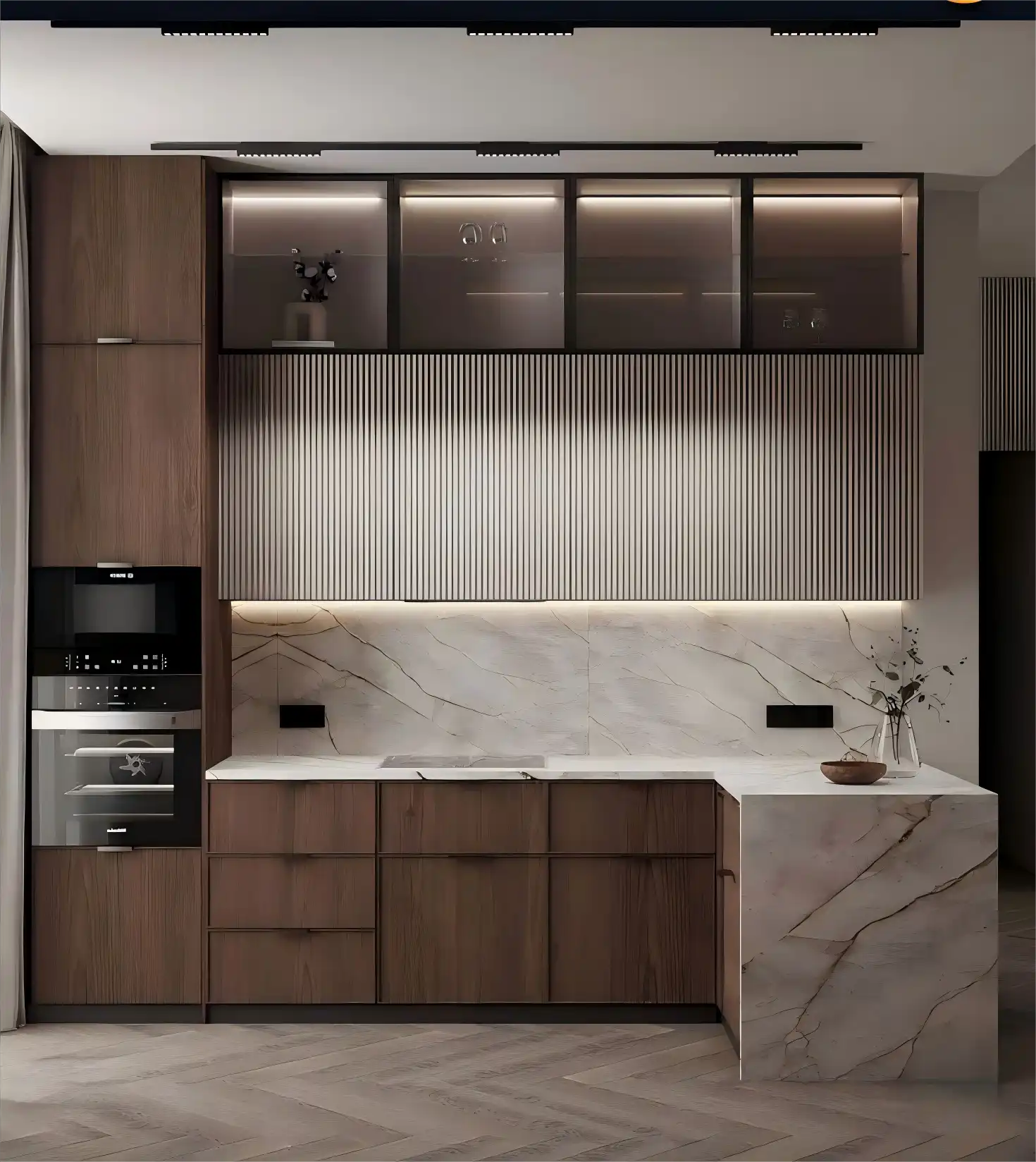
กระจกร่อง (คล้ายกระจกกก) เป็นการผสมผสานระหว่างพื้นผิวและความโปร่งใสอย่างหรูหรา พื้นผิวแนวตั้งต่างจากกระจกใสที่ต้องการการจัดวางที่สมบูรณ์แบบ ทำให้การมองเห็นนุ่มนวลขึ้นโดยให้ระดับความเป็นส่วนตัวในขณะที่ยังคงความรู้สึกโปร่งสบายและโปร่งใส กระจกร่องช่วยเติมเต็ม ตู้ครัวร่อง โดยนำเสนอคอนทราสต์ของพื้นผิวที่เบากว่า
-
เคล็ดลับการจับคู่: โดยทั่วไปจะใช้กระจกร่องกับตู้ด้านบน จับคู่กับตู้ด้านล่างทึบเพื่อสร้างสมดุลการมองเห็นของแสง กรอบโลหะสีดำเหมาะกับสไตล์อินดัสเทรียลสมัยใหม่ ในขณะที่กรอบไม้ช่วยเพิ่มความอบอุ่นและเข้ากันกับสุนทรียศาสตร์แบบ Wabi-Sabi หรือสแกนดิเนเวีย
หลักการผสมและการควบคุมสัดส่วน
การประยุกต์ใช้ที่ประสบความสำเร็จของ ตู้ครัวร่อง ขึ้นอยู่กับ ควบคุมสัดส่วนเพื่อหลีกเลี่ยงความยุ่งเหยิงทางสายตา
-
เน้นจุดโฟกัส: ขอแนะนำให้เน้นที่ร่องไปที่องค์ประกอบส่วนกลาง เช่น โต๊ะเตรียมอาหารหรือตู้ตู้เดี่ยวเพื่อเป็นจุดยึดที่มองเห็นได้ ใช้จอแบนธรรมดาสำหรับพื้นที่ที่เหลือ
-
แนวทางสัดส่วน: โดยทั่วไปพื้นที่พื้นผิวที่เป็นร่องควรถูกจำกัดไว้เพียง 30-40% ของพื้นผิวตู้ทั้งหมด
-
เสริมวัสดุ: การจับคู่ควรแสวงหาส่วนเสริม ไม่ใช่การแข่งขัน ตัวอย่างเช่น พื้นผิวไม้เป็นร่องจับคู่กับเคาน์เตอร์หินเรียบๆ จะสร้างความแตกต่างแบบออร์แกนิกและเพรียวบาง แผงร่องพร้อมที่จับโลหะสร้างการผสมผสานระหว่างความอบอุ่นและความเย็น
คำแนะนำสี
การเลือกสีจะต้องสอดคล้องกับคุณสมบัติของวัสดุและสภาพแสงเพื่อแสดงมิติสามมิติของร่องได้อย่างเต็มที่ ตู้ครัวร่อง-
-
ความเป็นกลาง: White, beige, and gray are classic choices. They allow the cabinet’s texture to serve as a subtle, timeless background.
-
โทนสีเข้ม: เฉดสีเข้ม เช่น น้ำเงินกรมท่าหรือเขียวฟอเรสต์สร้างคอนทราสต์ที่น่าทึ่งและเพิ่มความลึกของเงาร่อง เหมาะสำหรับห้องครัวที่มองหาความรู้สึกทันสมัยหรือให้ความรู้สึกจริงจังแบบดั้งเดิม
-
คำเตือนการปฏิบัติ: ทดสอบตัวอย่างสีภายใต้แสงไฟในห้องครัวจริงเสมอ พื้นผิวที่เป็นร่องจะเปลี่ยนสีที่ปรากฏ แสงธรรมชาติและแสงประดิษฐ์โทนอุ่นจะให้ผลลัพธ์ที่แตกต่างกันมาก
งบประมาณและความคุ้มค่า
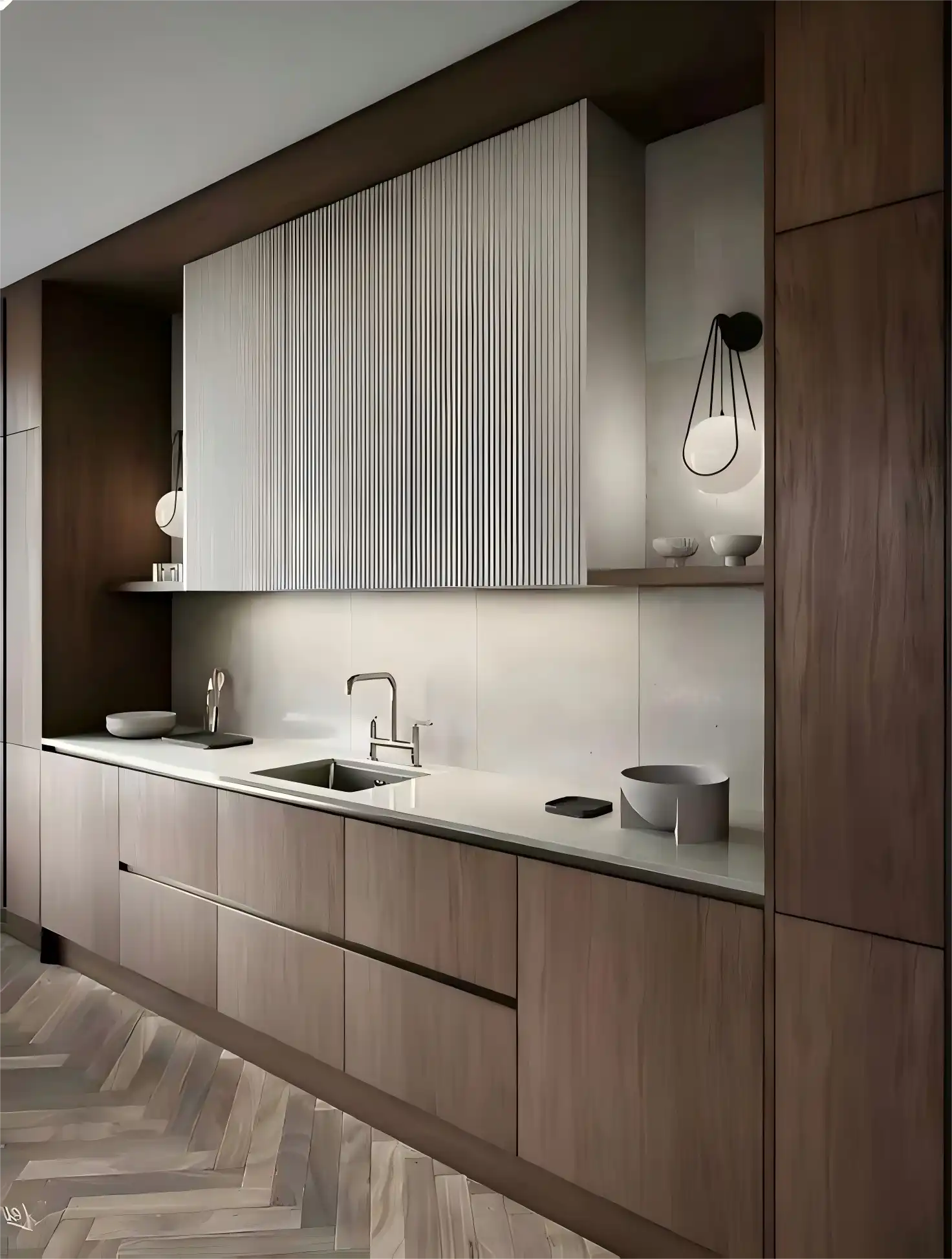
ศูนย์การจัดทำงบประมาณอยู่รอบ ๆ การเลือกวัสดุแบบฉัตร- ต้นทุนไม้เนื้อแข็งคือราคาสูงสุด MDF คือการประนีประนอมที่สร้างสมดุลระหว่างการออกแบบและงบประมาณ และ PVC เป็นจุดเริ่มต้นที่ประหยัดที่สุดสำหรับ ตู้ครัวร่อง-
-
ต้นทุนที่ซ่อนอยู่: ระยะห่างร่องแบบกำหนดเอง (ไม่ได้มาตรฐาน $30\text{mm}$) โดยทั่วไปจะเพิ่ม 10-20% ให้เป็นราคาพื้นฐาน ค่าติดตั้งไม้เนื้อแข็งก็สูงขึ้นตามน้ำหนักและข้อกำหนดเฉพาะทาง
-
กลยุทธ์การเพิ่มประสิทธิภาพงบประมาณ: จัดสรร 60-70% ของงบประมาณไปที่แผงประตูและวัสดุภายนอกที่มองเห็นได้มากที่สุดโดยใช้แผงที่ประหยัดกว่าสำหรับโครงสร้างภายใน สงวนร่องฟันแบบกำหนดเองไว้สำหรับพื้นที่ที่มีแรงกระแทกสูง เช่น เกาะ
บทสรุป
ตู้ครัวร่อง เป็นตัวแทนของการผสมผสานที่ลงตัวระหว่างสุนทรียภาพและการลงทุนเชิงปฏิบัติ พื้นผิวแนวตั้งอันเป็นเอกลักษณ์ช่วยให้ห้องครัวมีความลึกและสัมผัสได้ ในขณะเดียวกันก็ให้ประโยชน์ใช้สอยด้วย การออกแบบร่องโค้งมีรากฐานมาจากมรดกทางสถาปัตยกรรมคลาสสิก แสดงให้เห็นความโดดเด่น ความเป็นอมตะ- สำหรับผู้ที่ต้องการเปลี่ยนห้องครัวให้เป็นพื้นที่ที่มีทั้งประโยชน์ใช้สอยและสวยงาม ตู้เก็บของแบบร่องเป็นทางเลือกที่ชาญฉลาดและใช้งานได้ยาวนาน👉ติดต่อเรา!