


การแนะนำ
Choosing the right bathroom sink cabinet transcends simple interior design—it’s a critical functional investment that dramatically impacts your daily routine, storage efficiency, and the long-term resilience of your bathroom space. Homeowners frequently feel overwhelmed by the sheer volume of options, needing to expertly balance aesthetic style with robust moisture resistance, all while finding the perfect footprint in what is often a small, challenging room.
Selecting an unsuitable bathroom sink cabinet can lead to issues ranging from unsightly warped materials and chronic lack of storage to a final look that fundamentally clashes with your existing décor. This comprehensive guide dissects the core essentials, empowering you to navigate the selection process confidently. The goal is simple: ensure your final bathroom sink cabinet choice meets both your visual preferences and the stringent practical demands of a wet environment for decades to come.
Understanding the Bathroom Sink Cabinet vs Vanity
A bathroom sink cabinet is, at its core, the structural storage unit engineered to support and house a sink basin. It features enclosed drawers or shelving beneath the countertop. It serves a dual purpose: a foundational base for the sink and a functional storage solution.
While the terms “cabinet” and “vanity” are often used interchangeably in retail, a subtle distinction exists: a vanity refers to the entire completed unit (the bathroom sink cabinet, the countertop, and the sink itself). The sink cabinet specifically denotes the furniture-grade storage component that provides the support. For example, a modern floating vanity consists of a floating bathroom sink cabinet combined with the basin and counter.
Popular Types of Bathroom Sink Cabinets
| Type | Description | Best For | Pro Tip / Consideration |
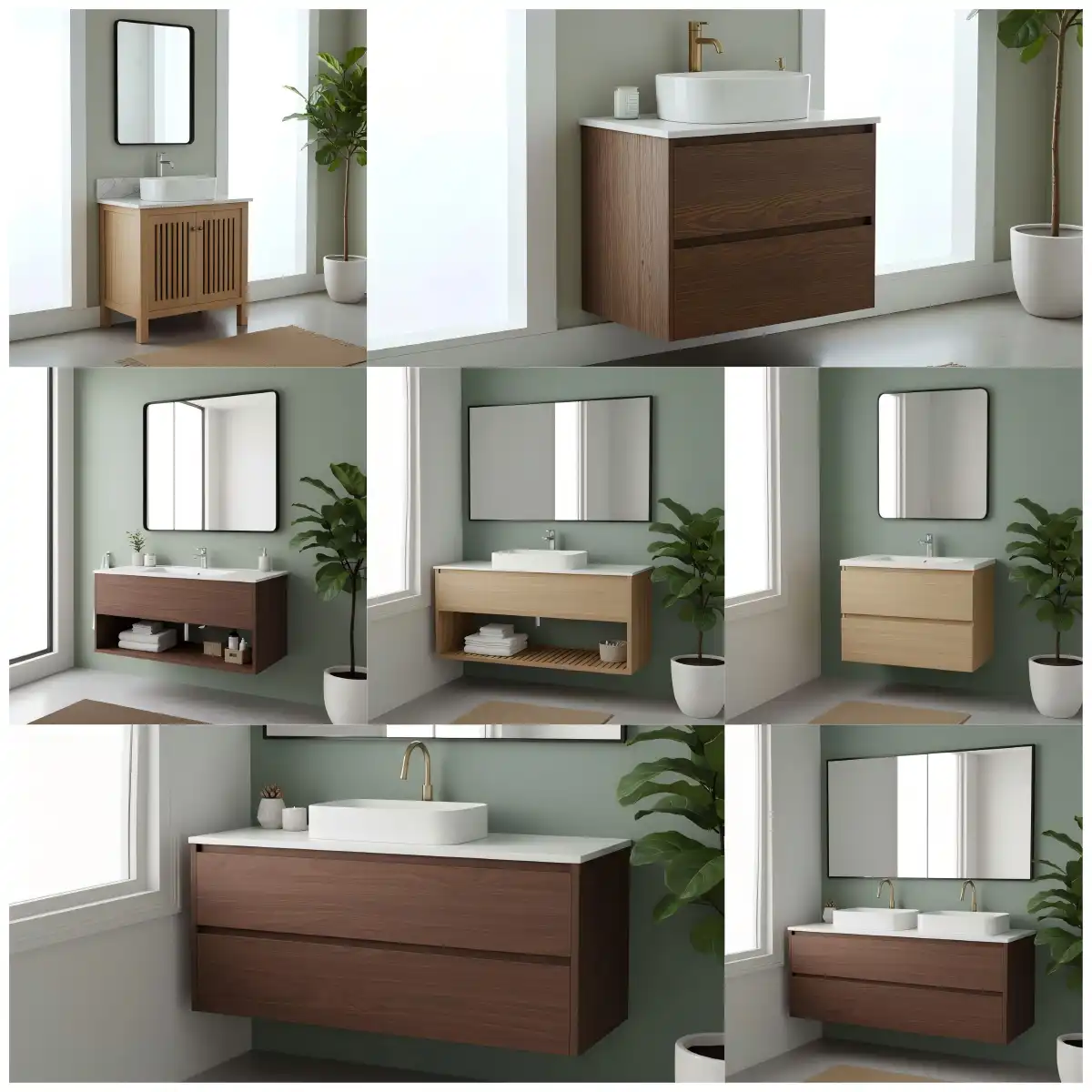
| Freestanding | Traditional, floor-supported, standalone unit. Offers maximum stability. | Large, traditional, or transitional bathrooms needing high storage capacity. | While offering excellent storage, the unit’s base can trap moisture and dirt, demanding more vigilant floor cleaning. |
| Floating | Wall-mounted directly, leaving the floor clear for a contemporary, airy look. | Small bathrooms, minimalist or contemporary designs, and maximizing visual space. | Crucial Installation Tip: Never rely on basic drywall anchors. A secure, weight-bearing attachment to wall studs is non-negotiable for safety and longevity. |
| Slim-Depth | Features a narrower depth (typically 12–18 inches) than the standard (21–24 inches). | Powder rooms, extremely narrow bathrooms, or tight hallways. | Storage is severely reduced. Consider vertical organizers for essentials like toothbrushes and soaps, as bulky items (hairdryers) won’t fit. |
| Corner | Triangular or L-shaped designs specifically utilizing unused corner space. | Compact bathrooms with awkward layouts; maximizing space in a tiny footprint. | Accessing the rear of the cabinet is inherently difficult due to the angled door. Prioritize items you don’t use daily for back-of-cabinet storage. |
| Open-Shelf | Cabinets featuring open shelving instead of fully enclosed doors and drawers. | Rustic, minimalist, or modern designs seeking an airy aesthetic. | Practical Note: Everything is exposed to dust and moisture. This is best suited for meticulously curated items (towels, baskets) and less ideal for private toiletries. |
| Vessel Sink | A shorter-than-standard bathroom sink cabinet base to accommodate the height of a basin that sits on the counter. | Bathrooms aiming for a stylish focal point; pairing with decorative basins. | Ergonomics Check: Ensure the combined height of the cabinet, counter, and vessel sink doesn’t exceed 36–38 inches to prevent uncomfortable handwashing for the average user. |
| Double-Sink | Wider cabinets (60–72 inches) designed to support two basins. | Master bathrooms or shared family spaces requiring simultaneous use. | Installation costs increase significantly. You need double the plumbing rough-ins (P-traps, water lines) and specialized counter fabrication. |
Best Materials for Bathroom Sink Cabinets (Moisture Resistance is Key)
The durability of your bathroom sink cabinet is almost entirely dependent on its material, especially its ability to resist the constant humidity of a bathroom.
| วัสดุ | Description | Moisture Resistance | Durability & Lifespan | Expert Recommendation |
| ไม้อัด | Layered wood veneers glued together (marine-grade is superior). | สูง. Excellent resistance to warping and delamination when properly sealed. | Excellent (15–20 years). Highly structural. | Top Choice for full bathrooms, primary baths, and high-humidity environments (next to a shower). |
| ไม้เอ็มดีเอฟ (Medium-Density Fiberboard) | Dense composite of wood fibers and resin. Smooth finish, affordable. | Low to Moderate. Highly vulnerable to swelling if water penetrates the paint/veneer finish. | Good for dry environments (5–10 years). | Suitable for powder rooms or guest baths with minimal moisture exposure, provided all edges are perfectly sealed. |
| พาร์ติเคิลบอร์ด | Compressed wood chips and resin. Most budget-friendly. | Very Low. Swells rapidly and permanently when wet. | Short (3–5 years). Easily damaged. | Avoid in any bathroom with a shower or high use. Use only for temporary solutions or extremely low-budget projects. |
| PVC/WPC (Polyvinyl Chloride/Wood-Plastic) | Fully synthetic, lightweight plastic composite. | ยอดเยี่ยม. Completely waterproof, mold-proof, and impervious to rot. | Long (10–15 years). Very low maintenance. | Ideal for laundry room basins, children’s bathrooms, or rental units where maximum water exposure protection is required. |
| ไม้เนื้อแข็ง (e.g., Oak, Maple, Teak) | Natural, timeless beauty. Requires ongoing maintenance. | ปานกลาง. Needs meticulous sealing, and regular refinishing (every 2-3 years) to prevent cracking or swelling. | Excellent (20+ years with proper care). | Best for luxury, traditional, or dry, well-ventilated bathrooms. Teak is the natural standout for water resistance. |
Size Guide for Your Bathroom Sink Cabinet
Accurate measurement is critical for both function and comfort. Here are the standard dimensions for different bathroom sink cabinet setups:
| Sink Type Paired with Cabinet | Standard Widths | Standard Depth (Countertop Edge to Wall) | Standard Total Height (Incl. Counter) | Sizing Consideration |
| Under-Mount/Top-Mount (Standard) | Single: 24–36 in. Double: 60–72 in. | Standard: 21–24 in. Slim: 12–18 in. | 31–34 inches | Plumbing Obstruction: Always confirm the depth of the cabinet accounts for the P-trap and supply lines, which often severely limit the functional depth of top drawers. |
| Vessel Sink | 18–30 inches | 18–24 inches | 28–30 inches (Cabinet Base Only) | The Comfort Zone: Total height (counter + sink) should land between 34–36 inches for optimal ergonomics. A shorter cabinet prevents the combined height from being too high. |
| Integrated Sinks | 24–48 inches | 21–24 inches | 31–34 inches | These are typically pre-fabricated units. Ensure the cabinet structure is robust, as the entire assembly must be replaced if the integrated sink/counter is damaged. |
Avoiding Common Sizing Errors: Always allow a minimum of 4–6 inches of clear wall space between the sides of your bathroom sink cabinet and any adjacent wall or door frame to ensure easy access and door/drawer clearance.
When to Consider a Custom Bathroom Sink Cabinet
While standard, off-the-shelf bathroom sink cabinets suit most homes, a custom build is a worthwhile investment in the following situations:
-
Unique Bathroom Layouts: Older homes frequently feature non-standard walls, unusual depths, or angled corners that standard cabinets cannot fit without creating large, unsightly gaps.
-
Specialized Storage Needs: If you require specific internal organization—such as a custom-sized tilt-out laundry hamper, integrated electrical outlets, or dedicated shelves for extra-large appliances—custom ensures every inch is maximized.
-
Heavy or Non-Standard Sinks: Oversized sinks, especially those made from solid stone or concrete, require a robust bathroom sink cabinet frame capable of safely bearing hundreds of pounds. Custom fabricators can engineer the necessary structural support.
-
High-End Design Integration: To perfectly match rare wood species, specific hardware, or a unique style found in other custom cabinetry throughout your home, ensuring visual continuity.
บทสรุป
Selecting the ideal bathroom sink cabinet is a strategic decision that demands a balance of lasting durability, useful functionality, and cohesive style. Begin by rigorously evaluating your bathroom’s size constraints, typical moisture level, and daily storage demands. Then, choose a cabinet type (e.g., floating, freestanding) that best utilizes your available floor plan.
Prioritize Material: For high-moisture zones, opt for robust materials like Plywood, PVC/WPC, or well-sealed Teak. For drier powder rooms, Melamine or sealed MDF can be cost-effective choices. Remember that for any bathroom sink cabinet, the most expensive material isn’t always the right one—the best choice is the material that stands up to your bathroom’s specific conditions.
Always double-check your measurements, paying close attention to plumbing and sink dimensions. By focusing on these core elements, your new bathroom sink cabinet will not only elevate the design of your space but also provide reliable service for years to come.👉ติดต่อเรา!