
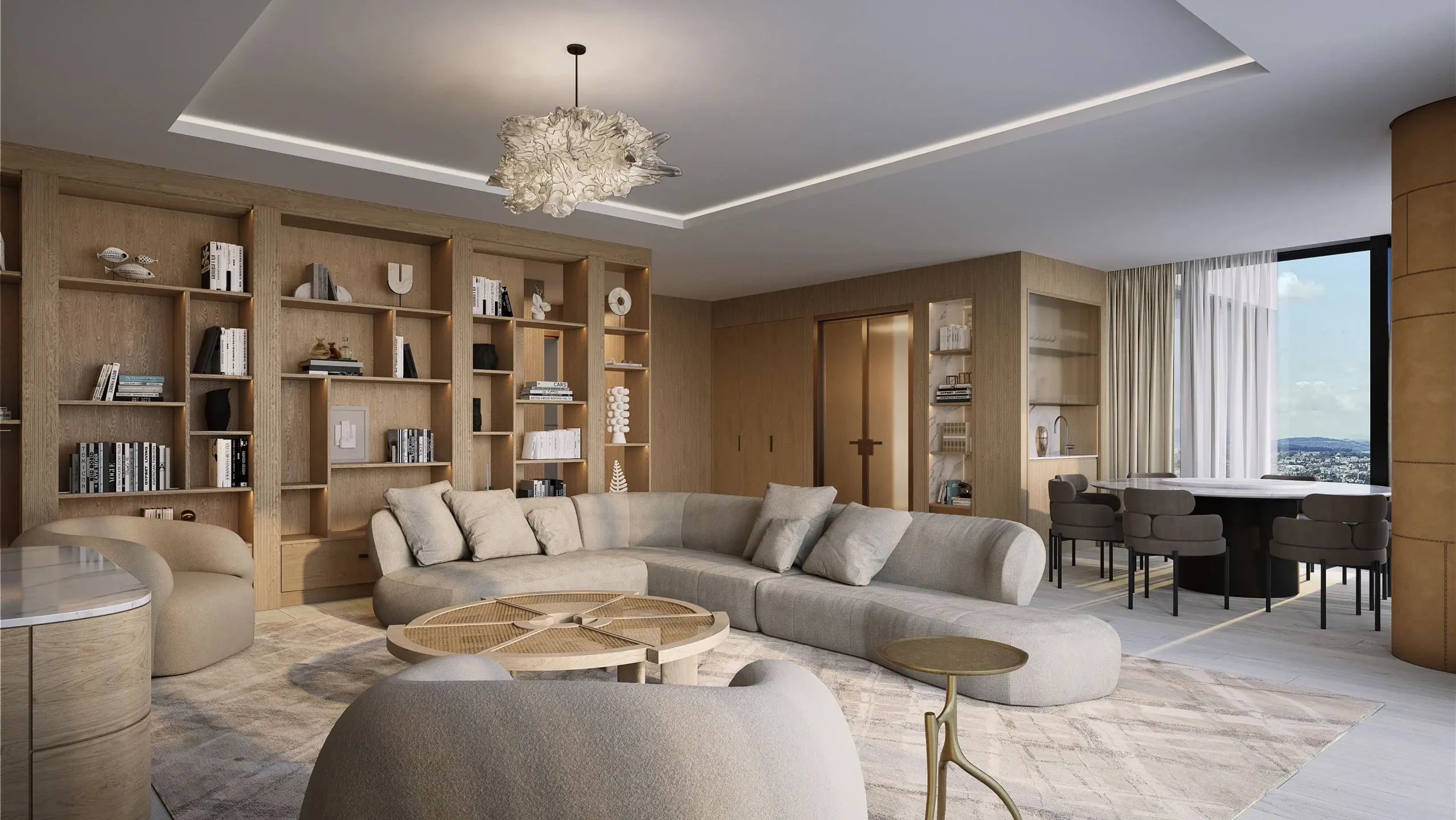
Введение: инвестиции в контрактную мебель
Давайте внесем ясность: выбор Мебель для гостиниц Речь идет не о внутренней отделке, а о капитальных затратах. Когда вы обустраиваете новую недвижимость или проводите многомиллионный ремонт, выбранная вами мебель — это фундаментальная инвестиция в рентабельность инвестиций в вашу недвижимость, удовлетворенность гостей и эффективность работы. Экономия сейчас означает тройную оплату позже за циклы обслуживания, ремонта и замены.
Разница между жилыми помещениями и Мебель для отелей контрактного класса это день и ночь. Жилые помещения построены для периодического использования; Контрактные детали сконструированы так, чтобы выдерживать постоянный износ в условиях коммерческой эксплуатации 24/7/365.
Похожие статьи:
Идеи дизайна гостиничных номеров на 2026 год: создание незабываемых впечатлений для гостей
Определение FF&E: что нужно знать менеджерам по закупкам
Технический термин – это я и е (Светильники, Мебель и Оборудование). Для отделов закупок это руководство станет вашей дорожной картой. Ваша цель — не просто найти красивые произведения искусства; это значит, что эти детали соответствуют строгим стандартам безопасности и долговечности, доставляются вовремя и остаются экономически эффективными в течение всего срока службы от 7 до 10 лет.
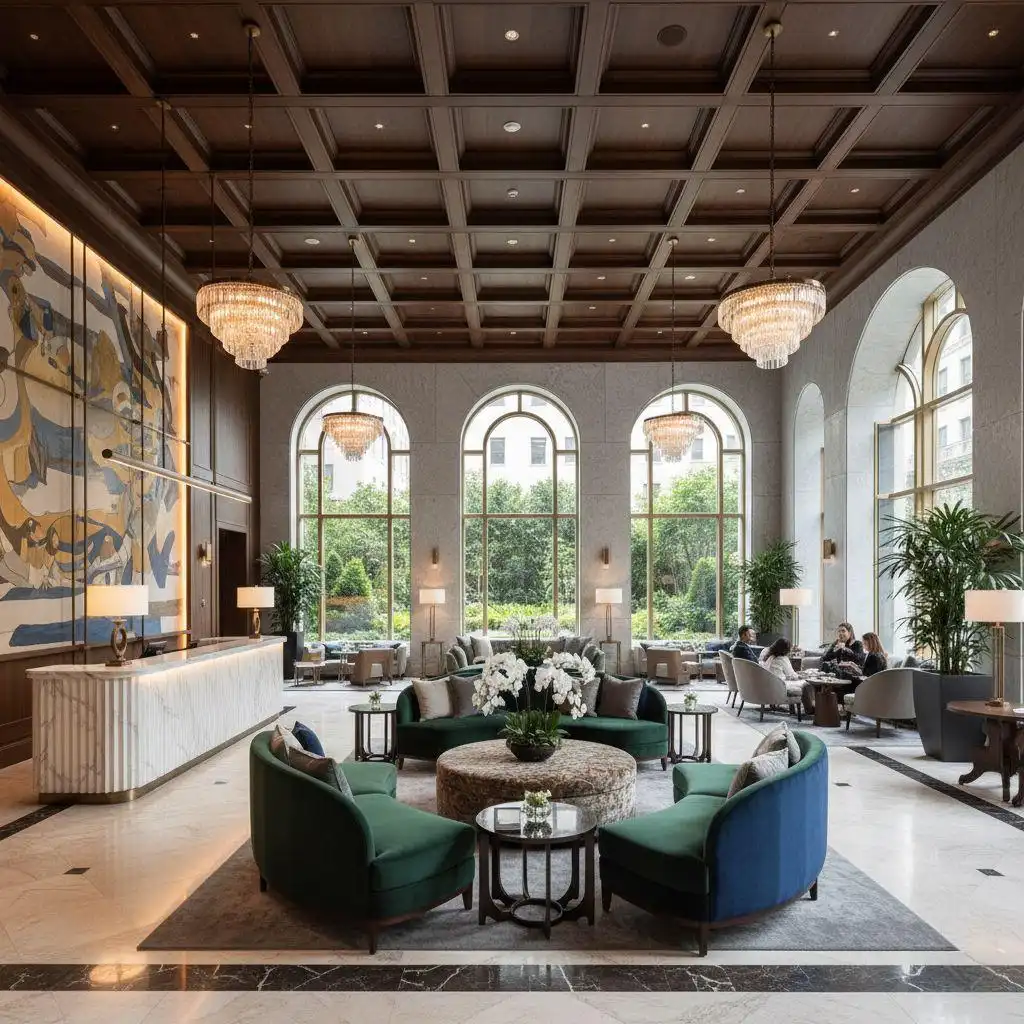
Будущее уже сейчас: тенденции в гостиничной мебели 2026 года
Ландшафт дизайна быстро меняется. Тенденции в гостиничной мебели 2026 года ориентированы не столько на временный стиль, сколько на благополучие гостей, гибкость и устойчивость.
Устойчивое развитие и благополучие: осознанные инвестиции
В 2026 году устойчивое развитие – это не роскошь; это ожидаемо, особенно для объектов недвижимости в Европе и Северной Америке.
-
Сдвиг материалов: Гости и инвесторы спрашивают о провенансе. Мы наблюдаем массовый поворот к использованию вторичной древесины, переработанных металлов и тканей, сертифицированных такими организациями, как OEKO-TEX или Global Organic Textile Standard (GOTS). Расставить приоритеты Поставщики экологически чистой гостиничной мебели которые обеспечивают полную отслеживаемость материалов.
-
Биофильный дизайн: Доказано, что мебель, которая имитирует естественные формы, использует землистые текстуры и включает в себя настоящую растительную жизнь (часто через встроенные горшки для цветов в ящиках), снижает стресс и улучшает впечатления гостей.
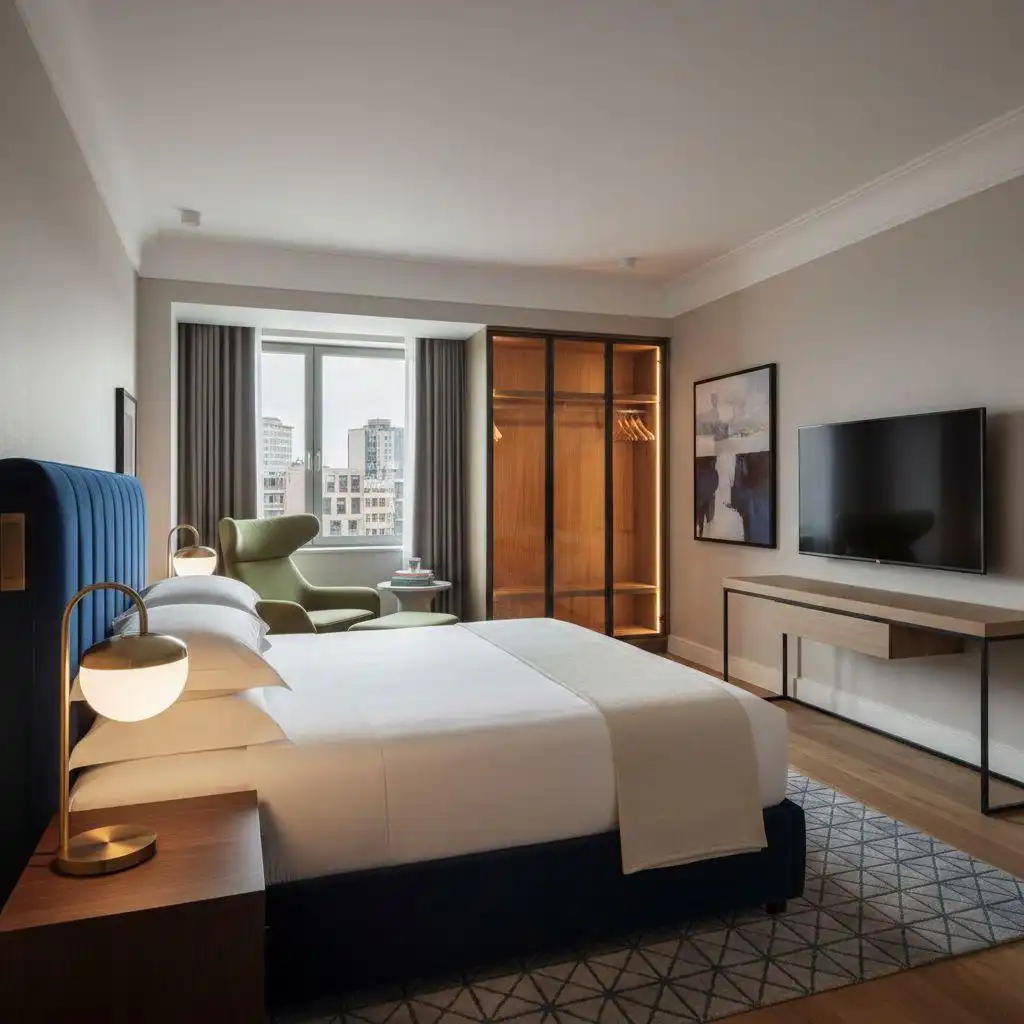
Размытие границ: жилой комфорт сочетается с коммерческой долговечностью
Гости хотят чувствовать себя как дома, но владельцам отелей нужна выносливость коммерческого уровня. Это тренд «Резимерсиал».
-
Анализ сценария: Представьте себе типичный письменный стол в гостевой комнате. Раньше он был тяжелым и утилитарным. Теперь он спроектирован так, чтобы функционировать как рабочее пространство, так и туалетный столик, с более мягкими линиями, встроенным рабочим освещением и тонким доступом к электропитанию. Задача состоит в том, чтобы обеспечить мягкую жилую эстетику, подкрепленную каркасом контрактного класса.
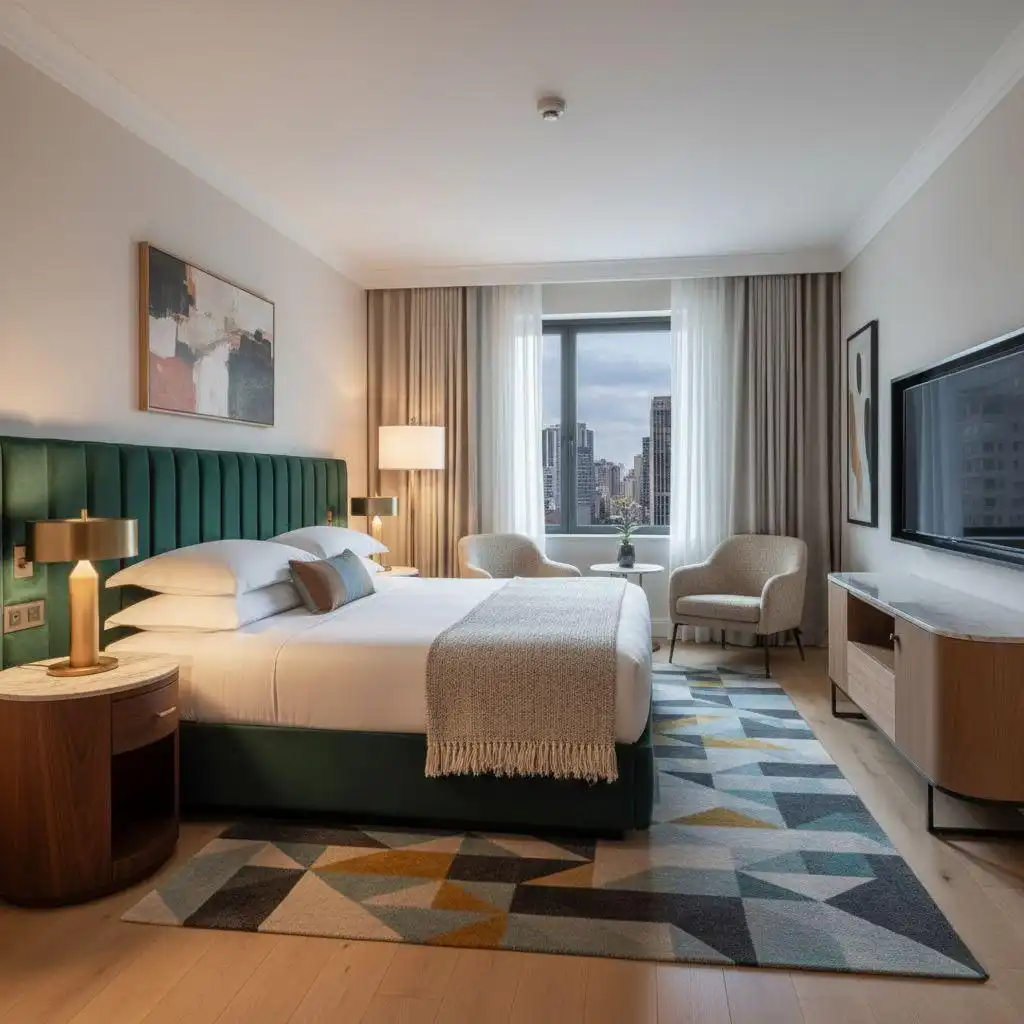
Долговечность: ваш фундамент рентабельности инвестиций
Долговечность – это то, где защищена ваша прибыль. Стул, который сломается через шесть месяцев, или тумбочка, которая деформируется после пролития жидкости, напрямую съедают вашу прибыль. При оценке Мебель для гостиниц, вы, должно быть, мыслите как деструктивный тестировщик качества.
Наука долголетия: как проверить Мебель для гостиниц Долговечность
Нам нужно выйти за рамки поверхностного осмотра. Качественный кусок Мебель для гостиниц определяется его соответствием всемирно признанным стандартам.
-
Ключевые отраслевые стандарты: Настаивайте на продуктах, проверенных на соответствие таким стандартам, как АНСИ/БИФМА (в Северной Америке) или эквивалентные европейские нормы (например, стандарты EN). Эти испытания гарантируют, что стул без сбоев выдержит повторяющиеся нагрузки, удары и статическую нагрузку.
-
Безопасность прежде всего: В общественных местах и местах с высокой плотностью населения Огнестойкие сидения для отелей не подлежит обсуждению. Ищите сертификаты, такие как CAL 117-2013 или эквивалентные региональные нормы пожарной безопасности. Это не выбор дизайна; это юридическое и страховое требование.
«Испытание водой»: почему строительство имеет значение
Вот простой, реальный тест, который отличает профессиональный уровень Мебель для гостиниц из жилых подделок: Влагостойкие чемоданы для отелей испытание.
-
Сценарий разрушительного испытания: Представьте себе, что стакан воды пролили и оставили на ночь на тумбочке.
-
Жилая Мебель: Часто используется ДСП или дешевый МДФ. Влага просачивается через швы ламината, вызывая набухание, пузырение и деформацию материала, что навсегда разрушает отделку и структурную целостность.
-
Мебель контрактного класса: Использует ламинат высокого давления (HPL), наносимый промышленными клеями и герметизированными краями, часто с использованием прочной фанеры или подложек морского класса. Влага накапливается, а конструкция предотвращает внутренние повреждения. Попросите у поставщика образец ящика с хорошей кромкой и попробуйте замочить его — настоящая контрактная деталь отмахнется от воды.
-
Зоны с интенсивным движением транспорта: выбор правильных материалов
В таких помещениях, как вестибюли, рестораны и конференц-залы, мебель постоянно подвергается атакам.
| Область | Испытание | Спецификация материала |
| Сидения в вестибюле | Постоянное интенсивное использование, пролития, потертости. | Полностью сварной металлический каркас или каркас из твердой древесины, высушенной в печи; Ткань Performance (30 000+ двойных протираний) |
| Товары для гостевых комнат | Разливы, тепло от электроники, удары | Ламинат высокого давления (HPL) или прочное лаковое покрытие; Металлические направляющие для ящиков |
| Обеденные стулья | Постоянное соскабливание и перемещение | Не царапающие накладки (не дешевые пластиковые колпачки); Усиленные поперечины на ножках. |
Контрольный список закупок: правильный выбор
Процесс отбора должен быть систематическим. Это баланс эстетики, бюджета и долговечности.
Составление бюджета на основе ценности, а не только цены
При рассмотрении Стоимость мебели для гостиниц на заказ, многие клиенты паникуют при первоначальной котировке. Но вы должны переключить мышление с Расходы к Ценить.
-
Более дешевое кресло, которое необходимо заменить через 4 года, имеет годовую стоимость владения, которая часто выше, чем у сертифицированного кресла премиум-класса со сроком службы 10 лет.
-
Работайте с поставщиками, которые понимают оптимизацию стоимости — процесс достижения желаемой эстетики и долговечности с использованием наиболее экономически эффективных материалов и методов.
Фактор проектирования и обслуживания
Право Мебель для гостиниц создан для того, чтобы облегчить, а не усложнить ведение домашнего хозяйства.
-
Клиренс: Убедитесь, что под кроватями и вещами для пылесосов и швабр достаточно свободного пространства. Эта простая деталь значительно сокращает время уборки и предотвращает попадание грязи/пыли.
-
Модульная конструкция: Рассмотрите модульные элементы для помещений для встреч. Они позволяют персоналу быстро трансформировать помещение из конференц-зала в непринужденную гостиную, обеспечивая максимальную гибкость при бронировании для вашего объекта размещения.
Пошаговый контрольный список мебели для бутик-отеля
Хотя крупные сети имеют строгие спецификации, Контрольный список мебели для бутик-отеля нужно больше гибкости и характера.
-
Определите повествование: Выбирайте предметы, которые расскажут уникальную историю объекта.
-
Проверьте сроки выполнения: Изготовленные на заказ изделия имеют длительный срок выполнения. Зафиксируйте дату доставки заранее.
-
Подтвердите макет: Никогда не подписывайте договор, не просмотрев и не утвердив полный окончательный макет комнаты с расставленной мебелью.
-
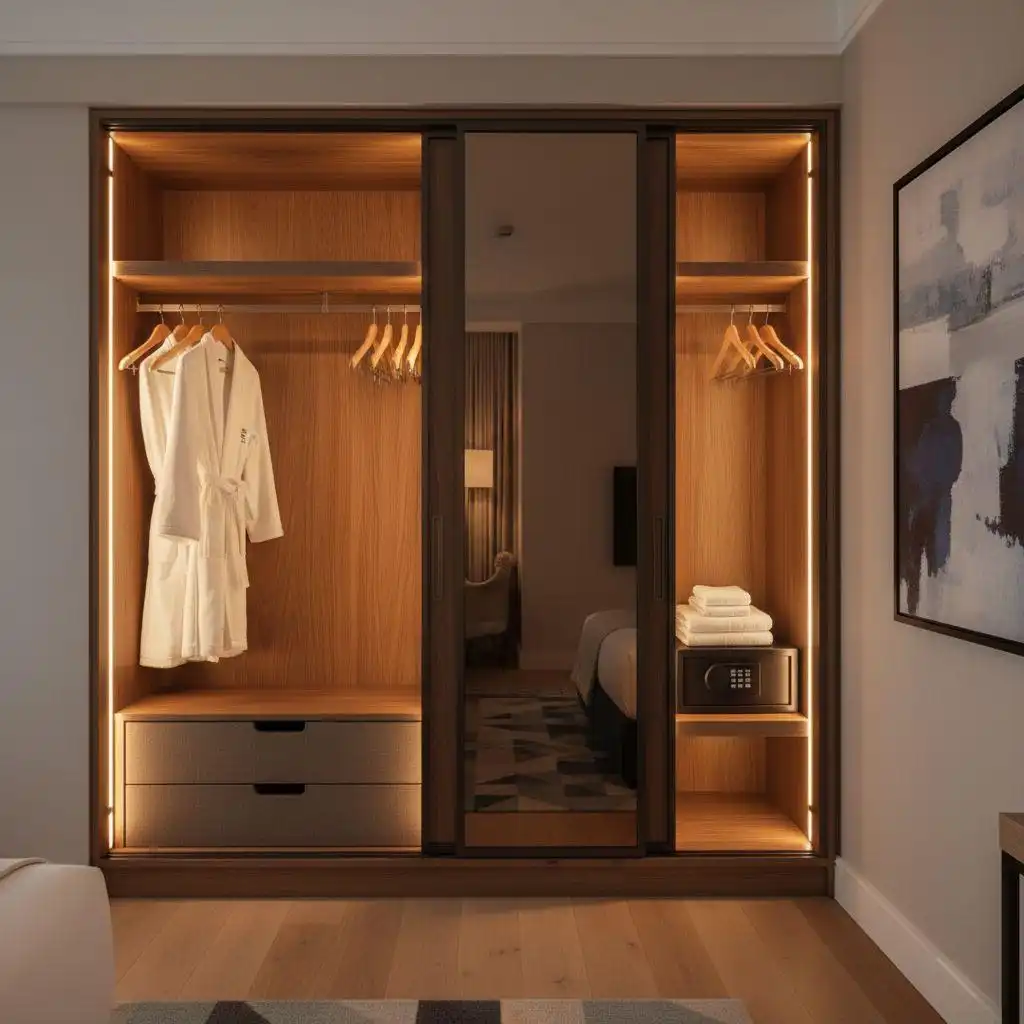
Осмотр по прибытии: Прежде чем подписывать квитанцию о доставке, убедитесь, что ваша принимающая команда точно знает, что нужно проверить (стабильность ножек, функцию скольжения ящика, однородность отделки).
Заключение: партнерство ради успеха
Выбор и закупка Мебель для гостиниц является сложным и включает в себя логистику, соблюдение требований безопасности, согласованность проектирования и строгое управление бюджетом. Расставляя приоритеты Мебель для отелей контрактного класса, настаивая на испытаниях на долговечность и стратегически принимая Тенденции в гостиничной мебели 2026 года, вы делаете больше, чем просто обставляете комнату — вы защищаете свои инвестиции и гарантируете гостям исключительные впечатления на долгие годы.
Готовы защитить свои инвестиции?
Выбор правильного Мебель для гостиниц — это единственный лучший способ защитить ваш долгосрочный капитал и повысить качество обслуживания гостей. Не оставляйте свои инвестиции в FF&E на волю случая — убедитесь, что ваша стратегия закупок соответствует тенденциям 2026 года без ущерба для долговечности и соответствия требованиям.
Основное действие: получить экспертное руководство
Независимо от того, разрабатываете ли вы новый объект недвижимости или обновляете бренд, наши специалисты FF&E могут предоставить подробные рекомендации по спецификациям материалов, оптимизации бюджета и соблюдению мировых стандартов соответствия.
Не просто покупайте мебель — инвестируйте в ее долговечность. Запланируйте бесплатную ни к чему не обязывающую консультацию с нашей командой по контрактной мебели сегодня.