
Introdução
As dobradiças de gabinete servem como interface crítica entre funcionalidade e design em sistemas de gabinete, impactando diretamente a durabilidade, usabilidade e apelo estético. A escolha de dobradiças inadequadas pode levar ao desalinhamento da porta, ao desgaste prematuro ou à resistência operacional – problemas que comprometem a longevidade e a experiência do usuário. Este guia estabelece uma estrutura sistemática para a compreensão dos tipos de dobradiças de gabinete, integrando análise de classificação, contraste especial e estratégias de seleção para fornecer aos entusiastas e profissionais do faça você mesmo uma ferramenta de referência teoricamente sólida, mas aplicável na prática. O princípio fundamental da seleção de dobradiças reside no equilíbrio de três fatores principais: capacidade de carga (peso do gabinete), método de abertura (sobreposição total/sobreposição parcial/inserção) e estilo decorativo (exposto/oculto), que determinam coletivamente o desempenho geral dos sistemas de gabinete.
Sistema de classificação de dobradiças de gabinete
Por método de instalação
A classificação das dobradiças do armário por método de instalação baseia-se principalmente na relação posicional entre a porta e a moldura do armário, influenciando diretamente nas suas características funcionais e desempenho estético. Aqui estão as três categorias principais:
Dobradiças embutidas
Esses tipos de dobradiças de gabinete criam um encaixe perfeito entre a porta e a moldura do gabinete, resultando em uma superfície completamente plana quando fechado. Seus requisitos precisos de instalação os tornam uma característica exclusiva de armários personalizados de alta qualidade, comumente encontrados em estilos de móveis clássicos tradicionais americanos ou europeus. A instalação requer reentrâncias fresadas com precisão na estrutura do gabinete para garantir uma conexão perfeita entre porta e estrutura, proporcionando uma aparência visualmente coesa e simplificada.
Dobradiças de sobreposição
Classificada pelo grau em que a porta cobre a estrutura do gabinete, esta categoria inclui dois subtipos principais:
Dobradiças de sobreposição total cobrem completamente os painéis laterais do armário e são ideais para armários sem moldura, maximizando a utilização do espaço de armazenamento e representando a escolha principal para cozinhas modernas.
Dobradiças de sobreposição parcial cobre apenas parte dos painéis laterais do gabinete, deixando um espaço de 3-5 mm entre as portas adjacentes, usado predominantemente em designs tradicionais de gabinetes com moldura com configurações de porta dupla.
Fatores críticos de instalação: As dobradiças de sobreposição exigem seleção com base na espessura da porta (normalmente 18-25 mm) e na distância de sobreposição, com a profundidade do copo da dobradiça e a correspondência do peso da porta afetando diretamente a vida útil.
Dobradiças montadas na superfície
Esses tipos de dobradiças de gabinete ficam totalmente expostos nas superfícies externas de portas e armários, com dobradiças de topo servindo como exemplo por excelência. A sua estrutura simples e fácil instalação tornam-nos populares em mobiliário de estilo vintage ou design industrial, onde os componentes metálicos expostos funcionam como elementos decorativos. Tradicionais baús de madeira, armários de armazenamento e alguns móveis de estilo chinês ainda utilizam amplamente esses tipos de dobradiças de armário, que, apesar de sua funcionalidade limitada, oferecem características estéticas artesanais distintas.
A seleção do método de instalação deve considerar de forma abrangente a estrutura do gabinete (com/sem moldura), o peso da porta (≤8 kg para dobradiças padrão, >15 kg exigindo dobradiças resistentes) e o estilo de design. As dobradiças embutidas e sobrepostas, com sua ocultação superior, alinham-se melhor com as preferências estéticas minimalistas modernas.
Por Mecanismo de Abertura
O mecanismo de abertura das dobradiças do gabinete determina seu comportamento mecânico e cenários de aplicação, caindo em três categorias principais: As dobradiças pivotantes padrão utilizam um pino pivotante fixo para atingir uma rotação de 90°-180° (por exemplo, dobradiças de topo e dobradiças europeias), amplamente adequadas para aplicações de portas lineares. As dobradiças giratórias giram em torno de um eixo vertical central, suportando ângulos de abertura maiores e normalmente usadas em gabinetes especiais, como unidades de canto. Dobradiças funcionais especiais incorporam mecanismos de dobramento para otimização de espaço, como dobradiças duplas projetadas para espaços compactos.
Princípio chave de seleção: As dobradiças pivotantes padrão atendem aos requisitos básicos, as dobradiças pivotantes atendem a desafios especiais de layout, como gabinetes de canto, e as dobradiças funcionais especiais se concentram na maximização da utilização do espaço - cada uma exigindo uma correspondência precisa com a estrutura do gabinete e as necessidades funcionais.
Por características funcionais
O design funcional das dobradiças do gabinete impacta diretamente a experiência do usuário e a vida útil do produto. Tipos notáveis incluem:
As dobradiças hidráulicas de fechamento suave apresentam sistemas de amortecimento integrados que permitem um fechamento suave, evitando efetivamente ruídos e danos estruturais causados por impactos na porta, ao mesmo tempo em que prolongam significativamente a vida útil das ferragens. As dobradiças de fechamento automático com mola empregam molas para fechamento automático, reduzindo erros humanos em áreas de tráfego intenso, como cozinhas e banheiros, ao mesmo tempo que melhoram a usabilidade.
As dobradiças para serviços pesados empregam placas de aço espessadas e núcleos de pivô reforçados, oferecendo capacidades de carga três vezes maiores que as dobradiças padrão. Eles fornecem suporte confiável para portas grandes com largura superior a 600 mm ou peso de 8 kg. As dobradiças decorativas transcendem funções puramente funcionais através de acabamentos como latão antigo ou níquel escovado, servindo como elementos decorativos em móveis tradicionais enquanto desempenham funções básicas de dobradiça.
Princípios de correspondência funcional: A seleção da dobradiça deve considerar de forma abrangente as dimensões da porta (requisitos de serviço pesado), frequência de uso (funcionalidade de fechamento automático), ambiente de instalação (necessidade de fechamento suave) e estilo decorativo (requisitos estéticos) para alcançar o equilíbrio ideal entre funcionalidade e adaptação de cena.
Análise de características de tipo
Dobradiças de topo
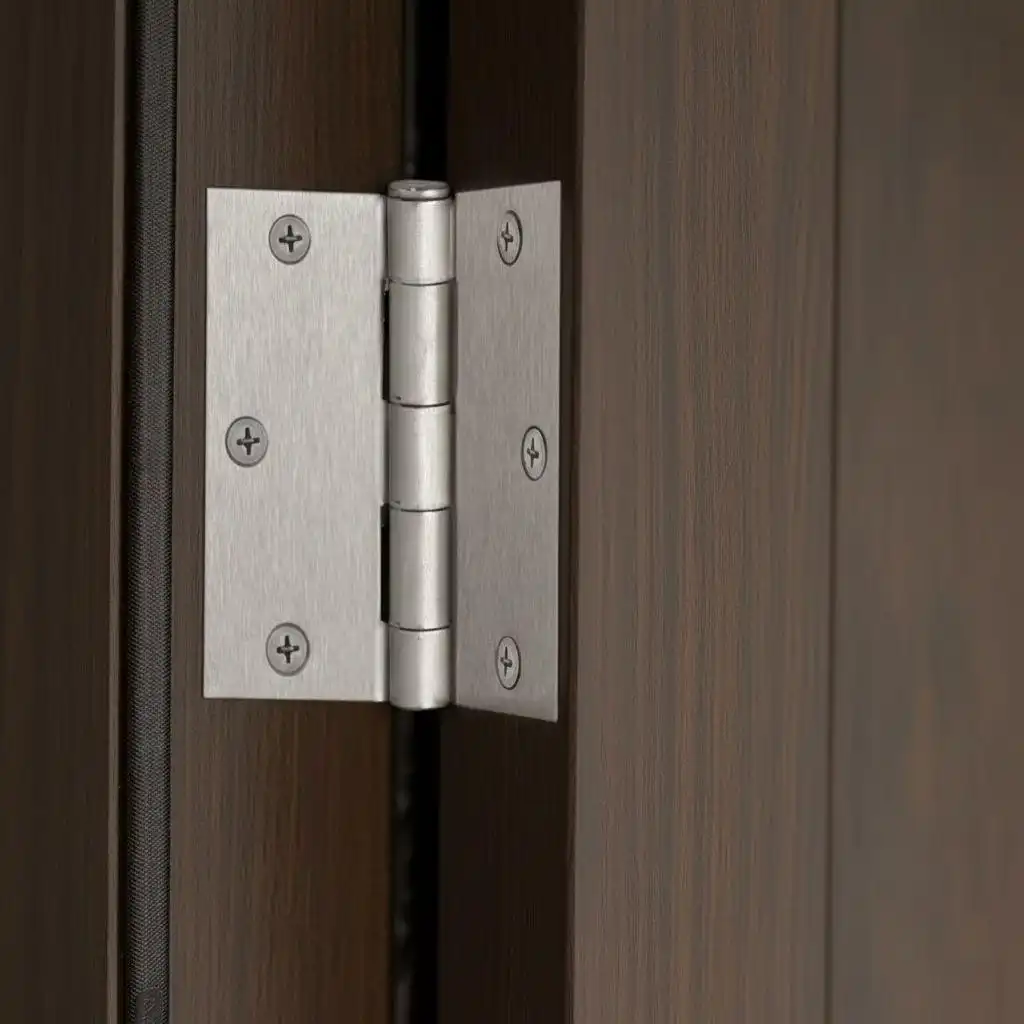
As dobradiças de topo consistem em duas folhas metálicas interligadas conectadas por um pino de articulação central, montadas na superfície em portas e molduras de armários como tipos fundamentais. Ideais para armários tradicionais, rústicos ou estilo fazenda, destacam-se com portas pesadas/grossas devido à alta capacidade de carga. A instalação requer ferramentas básicas e alinhamento preciso dos parafusos de folha, tornando-os adequados para projetos DIY.
Características principais
- Prós: Econômico, alta capacidade de carga, fácil instalação DIY
- Contras: Conflitos de hardware expostos com designs minimalistas; ajuste pós-instalação limitado
O seu estilo visual alinha-se com a estética clássica, como exemplifica a sua utilização comum em portas de armários rústicas tradicionais, reforçando o seu nicho em aplicações de design clássico.
Dobradiças ocultas europeias
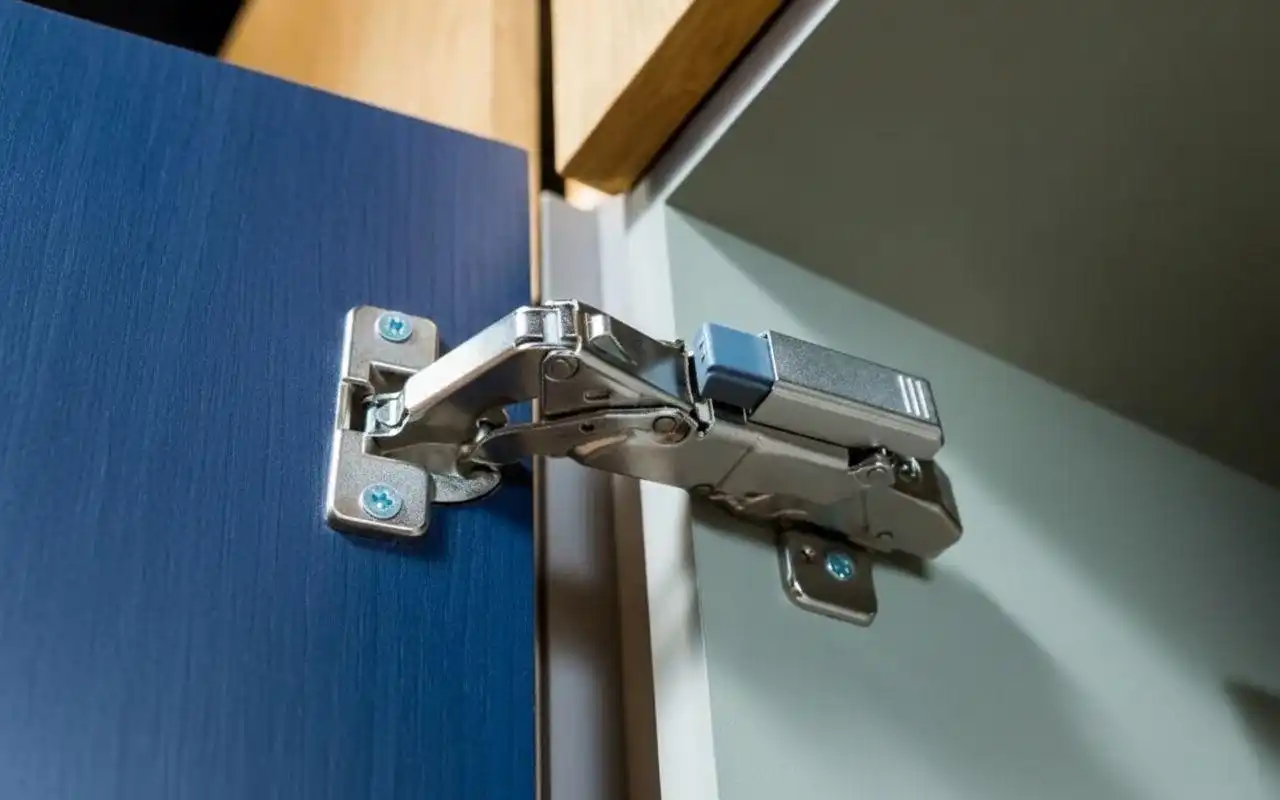
As dobradiças ocultas europeias apresentam um design invisível de copo e braço, com um copo cilíndrico embutido na porta e uma placa de montagem fixada na estrutura do gabinete como tipos sofisticados. Esta construção oferece uma estética perfeita, tornando-a ideal para cozinhas modernas, armários sem moldura e espaços minimalistas. A instalação requer a perfuração de um orifício preciso de 35 mm (o padrão da indústria) e o alinhamento dos parafusos de ajuste para posicionamento de três vias: altura, profundidade e alinhamento lateral.
Principais vantagens
- Ajuste de três vias: Ajuste o posicionamento da porta após a instalação para um alinhamento perfeito.
- Compatibilidade com fechamento suave: Integra-se com mecanismos de amortecimento para fechamento silencioso e controlado – essencial para aplicações de alta tecnologia.
- Apelo minimalista: Hardware oculto cria superfícies de gabinete limpas e intactas.
No entanto, esses tipos de dobradiças de gabinete apresentam desvantagens: normalmente custam mais do que as dobradiças de topo tradicionais e exigem perfuração precisa para evitar desalinhamentos, o que representa desafios para instalações DIY. Seus recursos premium e benefícios estéticos os tornam a escolha preferida para projetos de armários modernos e sofisticados.
Dobradiças embutidas
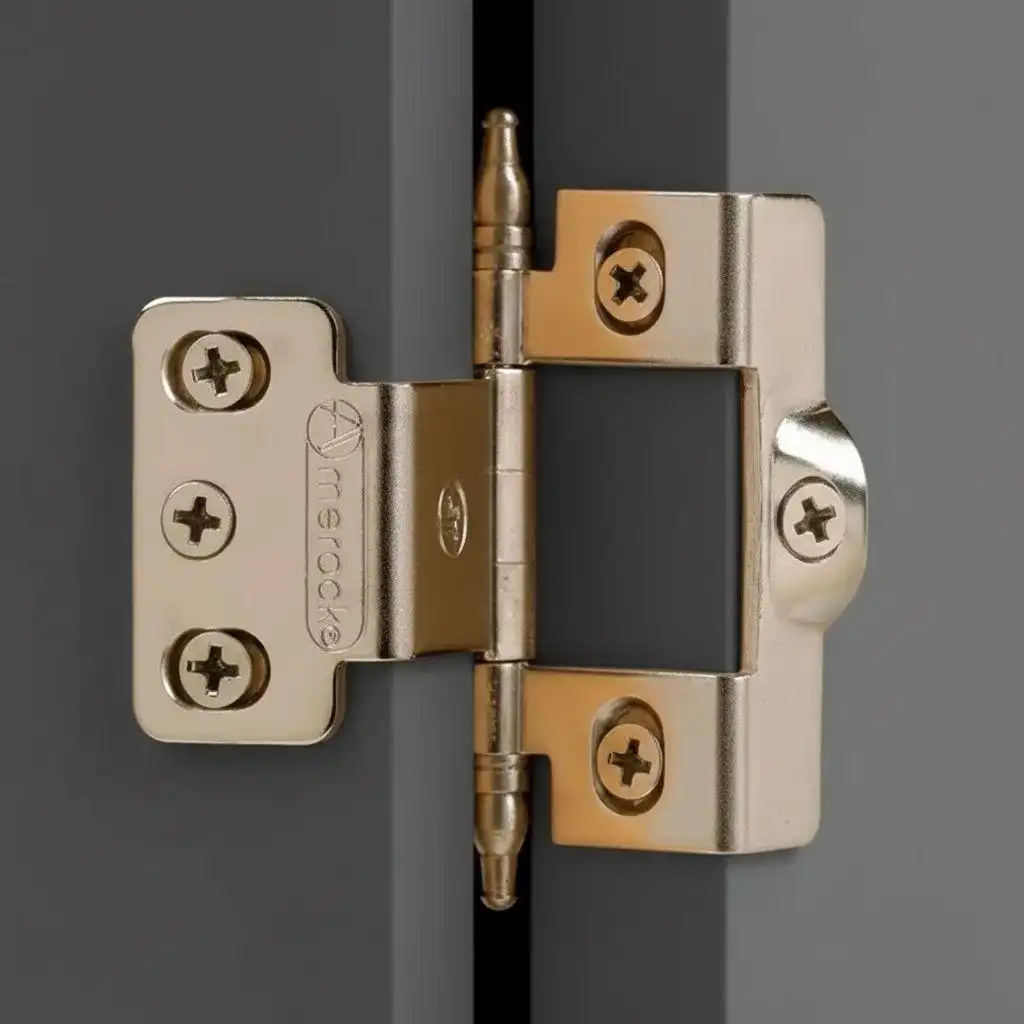
As dobradiças embutidas são projetadas para portas de gabinete embutidas na moldura, oferecendo duas configurações de montagem: variantes expostas instaladas no interior ou na borda da moldura e variantes ocultas para integração oculta como tipos de precisão. Este design é particularmente adequado para armários personalizados de luxo e estilos tradicionais onde o alinhamento nivelado da moldura da porta é fundamental, proporcionando a “aparência refinada e personalizada” que define os armários premium.
A instalação exige precisão excepcional, com tolerâncias de folga na moldura da porta estritamente limitadas a ≤1 mm, exigindo habilidade profissional para garantir um fechamento perfeito. Embora sua aparência elegante e personalizada eleve significativamente a qualidade percebida, esses tipos de dobradiças de gabinete apresentam desvantagens notáveis: maior complexidade de instalação, exigindo mão de obra qualificada e um custo mais elevado em comparação com dobradiças de sobreposição padrão.
Especificações principais
- Aplicativo: Armários personalizados de luxo, designs tradicionais
- Tolerância de lacuna: ≤1mm (crítico para alinhamento nivelado)
- Vantagem Primária: Melhora a qualidade percebida por meio de integração perfeita
- Limitação Primária: Requer instalação profissional devido às exigências de precisão
Dobradiças de sobreposição
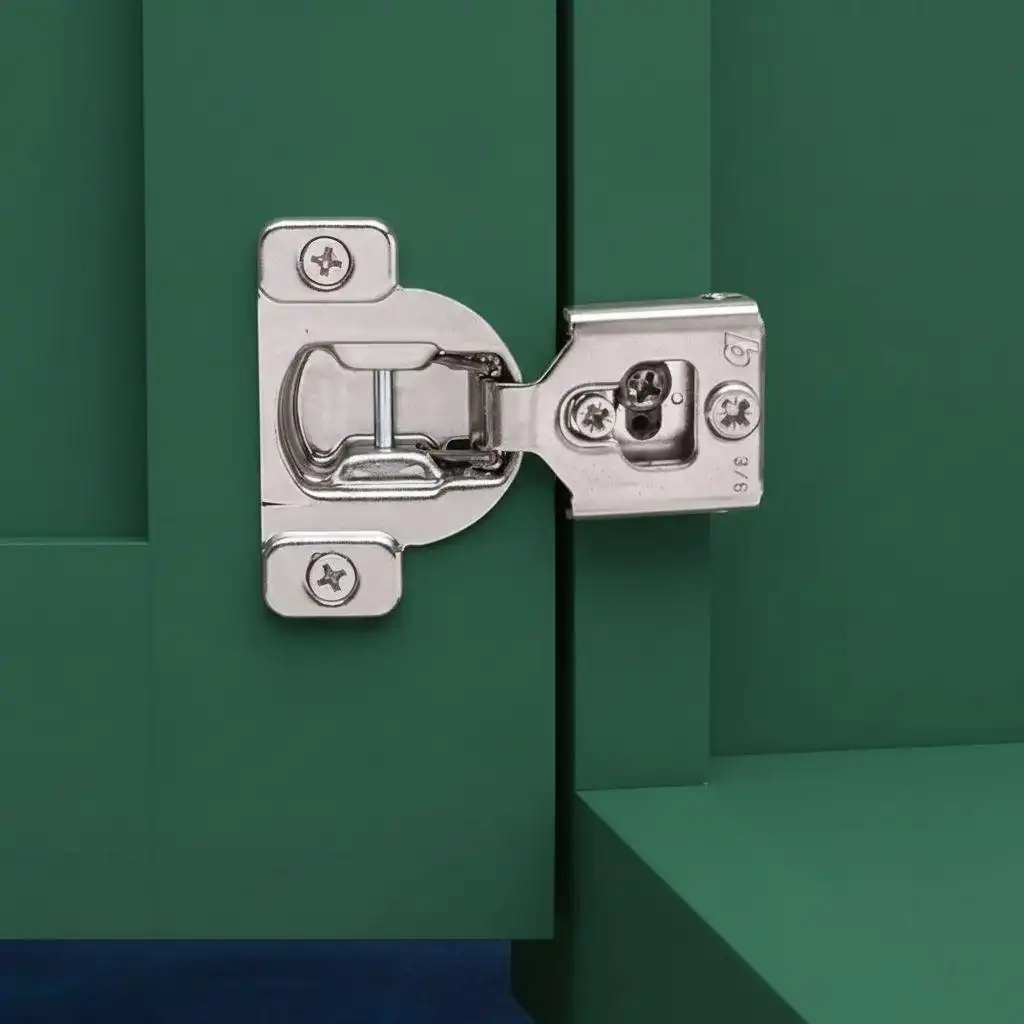
As dobradiças de sobreposição são montadas na borda traseira da porta com braços extensíveis fixados à estrutura do gabinete, permitindo a sobreposição da porta como tipos versáteis. Eles vêm em dois tipos principais: dobradiças de sobreposição total, que escondem completamente a moldura, e dobradiças de sobreposição parcial, que deixam espaços de 3 a 5 mm entre portas adjacentes, como tipos comuns. Esses tipos de dobradiças de gabinete são ideais para gabinetes modernos e sem moldura e renovações econômicas devido à sua instalação mais simples em comparação com dobradiças embutidas (sem necessidade de porta embutida), embora a atenção à consistência das lacunas seja crucial, especialmente para projetos de sobreposição parcial.
Principais vantagens: Maximiza o espaço de arrumação interior; alinhamento mais fácil do que dobradiças embutidas; combina com a estética contemporânea.
Limitações: lacunas visíveis na estrutura em designs de sobreposição parcial; menos apelo personalizado do que dobradiças embutidas.
Um exemplo prático de dobradiças totalmente sobrepostas é a sua aplicação em portas de armários que cobrem totalmente a moldura, criando um visual minimalista e uniforme. Esta escolha de design é particularmente preferida em armários modernos de cozinha e banheiro por suas linhas visuais limpas.
Dobradiças pivotantes e especiais
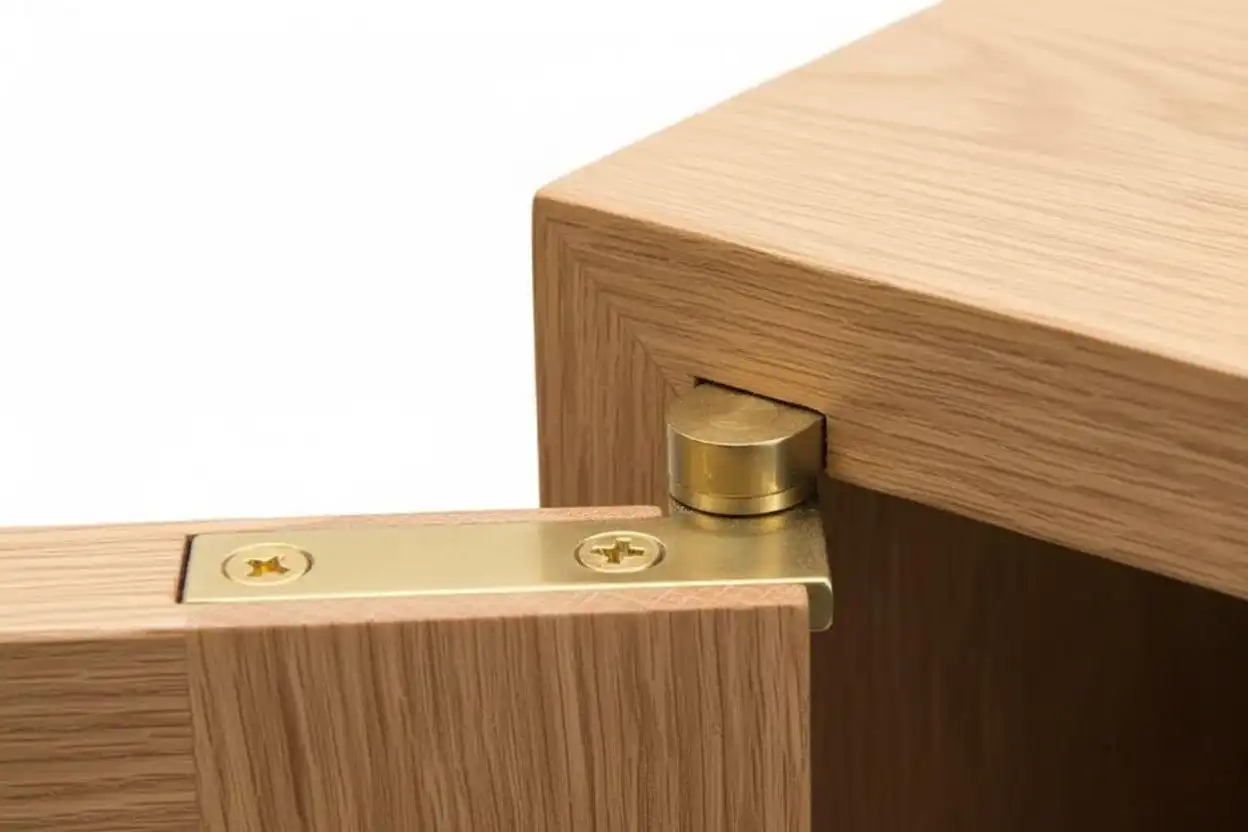
As dobradiças pivotantes utilizam pontos de articulação superior/inferior para rotação de 180°+, enquanto as dobradiças especiais incluem designs de dobra dupla (painéis dobráveis) e de canto (pivô de 90°) como tipos especializados. Ideal para projetos personalizados, como armários de canto, portas curvas ou áreas com espaço limitado, como banheiros pequenos. A instalação requer alinhamento preciso do pivô e, muitas vezes, hardware personalizado.
Prós: Permite movimentos de porta inovadores; resolve desafios espaciais.
Contras: Alto custo; disponibilidade limitada; requer instalação profissional.
Esses tipos de dobradiças de gabinete se destacam em layouts exclusivos, com armários de canto e portas duplas exemplificando seu papel na resolução de problemas na otimização de espaço e funcionalidade.
Dobradiças de fechamento suave e automático
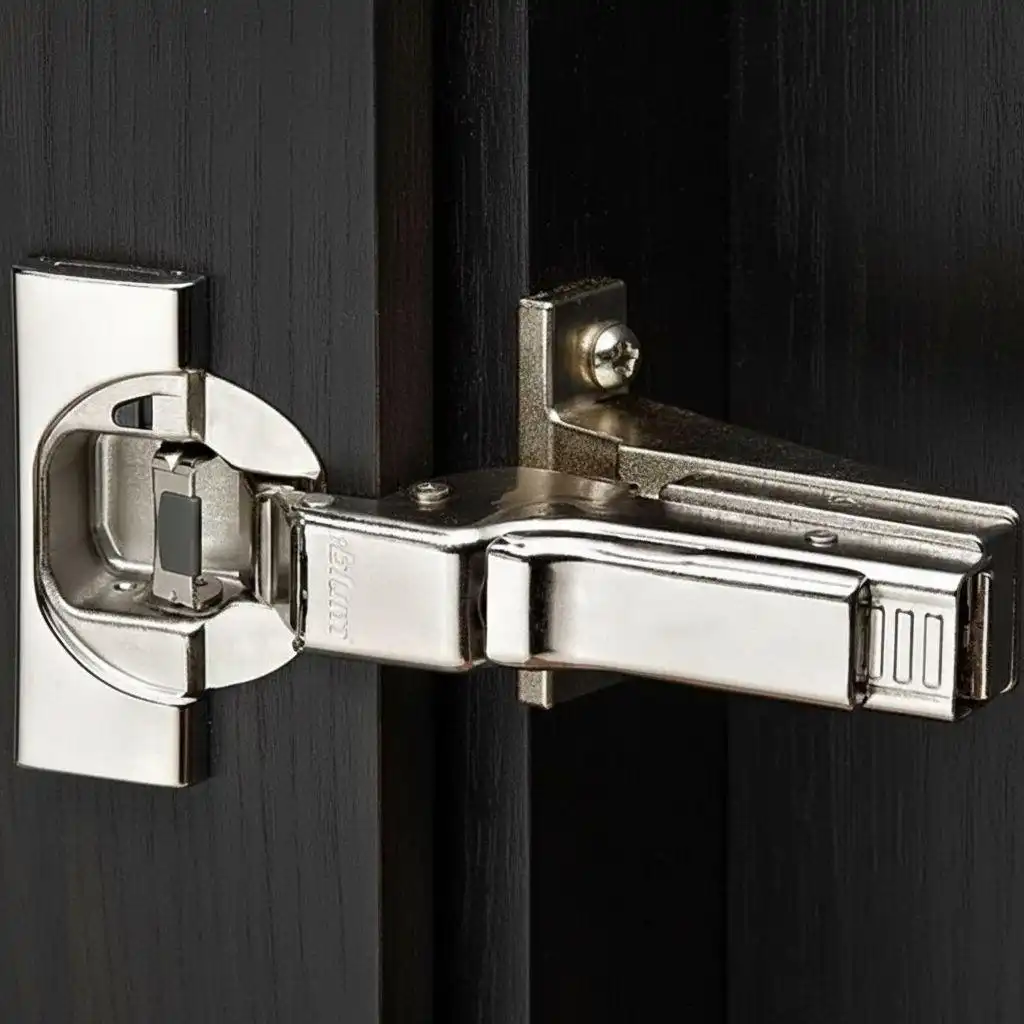
As dobradiças de fechamento suave utilizam cilindros hidráulicos para desacelerar o movimento da porta, enquanto as dobradiças de fechamento automático utilizam molas para fechamento automático como tipos funcionais. Esses tipos de dobradiças de armário são ideais para cozinhas, banheiros e espaços infantis devido aos seus benefícios de segurança e redução de ruído. A instalação requer compatibilidade com tipos de dobradiças, como dobradiças europeias com recursos de fechamento suave integrados e ajuste da tensão de amortecimento.
Principais vantagens: Reduz o desgaste de portas e molduras, elimina ruídos de batidas e melhora a experiência do usuário. O benefício “prolonga a vida útil da porta” justifica o custo mais elevado para áreas de alto uso.
Considerações: Esses tipos de dobradiças de gabinete têm um preço mais alto do que as dobradiças padrão e podem apresentar falha no mecanismo se forem mal conservados. A manutenção adequada é essencial para garantir longevidade e desempenho.
Diretrizes de seleção para dobradiças de gabinete
A escolha das dobradiças do gabinete requer uma avaliação abrangente de cinco fatores principais, equilibrando as necessidades práticas com as considerações orçamentárias:
1. Tipo de gabinete e compatibilidade de dobradiça
Armários sem moldura: Priorize dobradiças europeias ocultas para uma aparência limpa e sem ferragens expostas.
Armários emoldurados: Recomende dobradiças de topo ou dobradiças de sobreposição para uma instalação mais simples e melhor compatibilidade de estrutura.
2. Princípios de adaptação do estilo da porta
Portas embutidas → Dobradiças embutidas dedicadas (garantindo um encaixe preciso no gabinete)
Portas com sobreposição total → Dobradiças totalmente sobrepostas (maximizando a cobertura do painel lateral do gabinete)
Portas com sobreposição parcial → Dobradiças de sobreposição parcial (otimizando o espaçamento das portas)
3. Considerações sobre material e peso da porta
Portas de madeira maciça (18mm+espessura): Requer dobradiças resistentes ou dobradiças de topo como tipos robustos.
Portas em MDF (espessura ≤12mm): As dobradiças padrão europeias são suficientes para as necessidades funcionais.
4. Frequência de uso e seleção funcional
Áreas de alto tráfego (por exemplo, cozinhas): Recomenda dobradiças de fechamento suave para reduzir o desgaste por impacto.
Áreas de baixo tráfego (por exemplo, banheiros de hóspedes): Dobradiças básicas com fechamento automático oferecem melhor custo-benefício.
5. Coordenação de estilo de design
Estilos tradicionais/rústicos: Dobradiças de topo expostas ou dobradiças decorativas realçam o caráter vintage.
Estilos modernos/minimalistas: Dobradiças ocultas garantem continuidade visual.
Resumo do Fluxograma de Decisão
Se a porta estiver embutida → Selecione as dobradiças embutidas como tipos apropriados
Se o estilo é moderno → Priorize as dobradiças ocultas entre os tipos adequados
Se o orçamento for limitado → Considere dobradiças de topo (baixo custo, fácil instalação) entre os tipos econômicos
Recomendações de orçamento e saldo de instalação
| Tipos de dobradiças de gabinete | Custo | Dificuldade de instalação |
|---|---|---|
| Dobradiças de topo | Baixo | Simples |
| Dobradiças ocultas europeias | Médio | Moderado |
| Dobradiças de fechamento suave | Alto | Moderado |
Dicas Profissionais
Sempre meça duas vezes a espessura da porta antes de comprar dobradiças para evitar erros dimensionais.
Teste a suavidade do fechamento da dobradiça com fechamento suave no local para garantir a operação adequada sem emperramento.
As instalações DIY devem priorizar dobradiças ajustáveis para facilitar a correção de desvios de instalação.
Ao avaliar exaustivamente esses fatores, um equilíbrio ideal entre funcionalidade, estética e custo pode ser alcançado ao selecionar os tipos de dobradiças de gabinete.
Explicação da terminologia profissional
Diâmetro do copo
O diâmetro do recesso cilíndrico (normalmente padrão de 35 mm) perfurado na porta para dobradiças ocultas europeias é uma especificação crítica. O diâmetro incorreto do copo impedirá que o copo da dobradiça fique nivelado, causando desalinhamento e instabilidade da porta durante o uso.
Distância de sobreposição da porta
A extensão da sobreposição de uma porta à estrutura do gabinete (por exemplo, 19 mm para sobreposição total) como parâmetro-chave para tipos de sobreposição. Esta medida determina o comprimento necessário do braço da dobradiça e é fundamental para o alinhamento adequado da porta – medido da borda da porta até a borda da moldura.
Gabinete com moldura facial
Armário com moldura de madeira na borda frontal, necessitando de dobradiças montadas na superfície ou semi-ocultas, como dobradiças de topo entre os tipos compatíveis. A estrutura da moldura afeta a seleção das dobradiças, pois as dobradiças ocultas podem não se encaixar corretamente.
Gabinete sem moldura
Armário sem moldura frontal, concebido para portas de sobreposição total e dobradiças europeias ocultas como tipos especializados. Este design maximiza o espaço de armazenamento e requer um alinhamento preciso das dobradiças devido à ausência de uma estrutura de suporte.
Espaçamento entre furos de dobradiça
A distância entre os furos dos parafusos nas dobradiças deixa, com espaçamento padrão de 32mm para dobradiças europeias conforme padrões dimensionais. O espaçamento consistente garante o alinhamento adequado durante a instalação e evita parafusos desencapados ou portas desalinhadas.
Ajustabilidade de três vias
A capacidade de ajustar a altura, profundidade e posição lateral da dobradiça após a instalação, comum nas dobradiças europeias como recursos avançados. Esse recurso compensa erros de instalação e garante que as portas se alinhem uniformemente com as estruturas do gabinete.
Dica de instalação faça você mesmo: O ajuste de três vias permite o ajuste fino da posição da porta pós-instalação, particularmente valioso para iniciantes. Primeiro, fixe a posição básica e, em seguida, otimize o alinhamento de altura (±2 mm), profundidade (±1,5 mm) e lateral (±1 mm) usando parafusos de ajuste.
Conclusão
As dobradiças de gabinete servem como elemento fundamental que une funcionalidade e design em sistemas de gabinete, com diferentes tipos oferecendo características de desempenho variadas. A classificação adequada por método de instalação e características funcionais simplifica o processo de seleção, enquanto o alinhamento do tipo de dobradiça com o estilo da porta, propriedades do material e cenários de uso garante resultados de desempenho ideais.
Principais considerações: Equilibre as restrições de custo, o nível de habilidade de instalação e os objetivos de design ao selecionar os tipos de dobradiças de gabinete - os entusiastas do faça você mesmo podem priorizar dobradiças de topo fáceis de instalar, enquanto os profissionais geralmente selecionam dobradiças europeias ajustáveis para precisão entre os tipos especializados. Priorize dobradiças de alta qualidade em áreas de alto uso para garantir longevidade em diferentes tipos. A dobradiça certa transforma os armários de mero armazenamento funcional em elementos de design polido, com uma seleção cuidadosa produzindo resultados duradouros que melhoram a utilidade e o apelo estético.
Artigos relacionados:
Portas de armário barulhentas e flácidas? Seu guia para dobradiças e soluções