
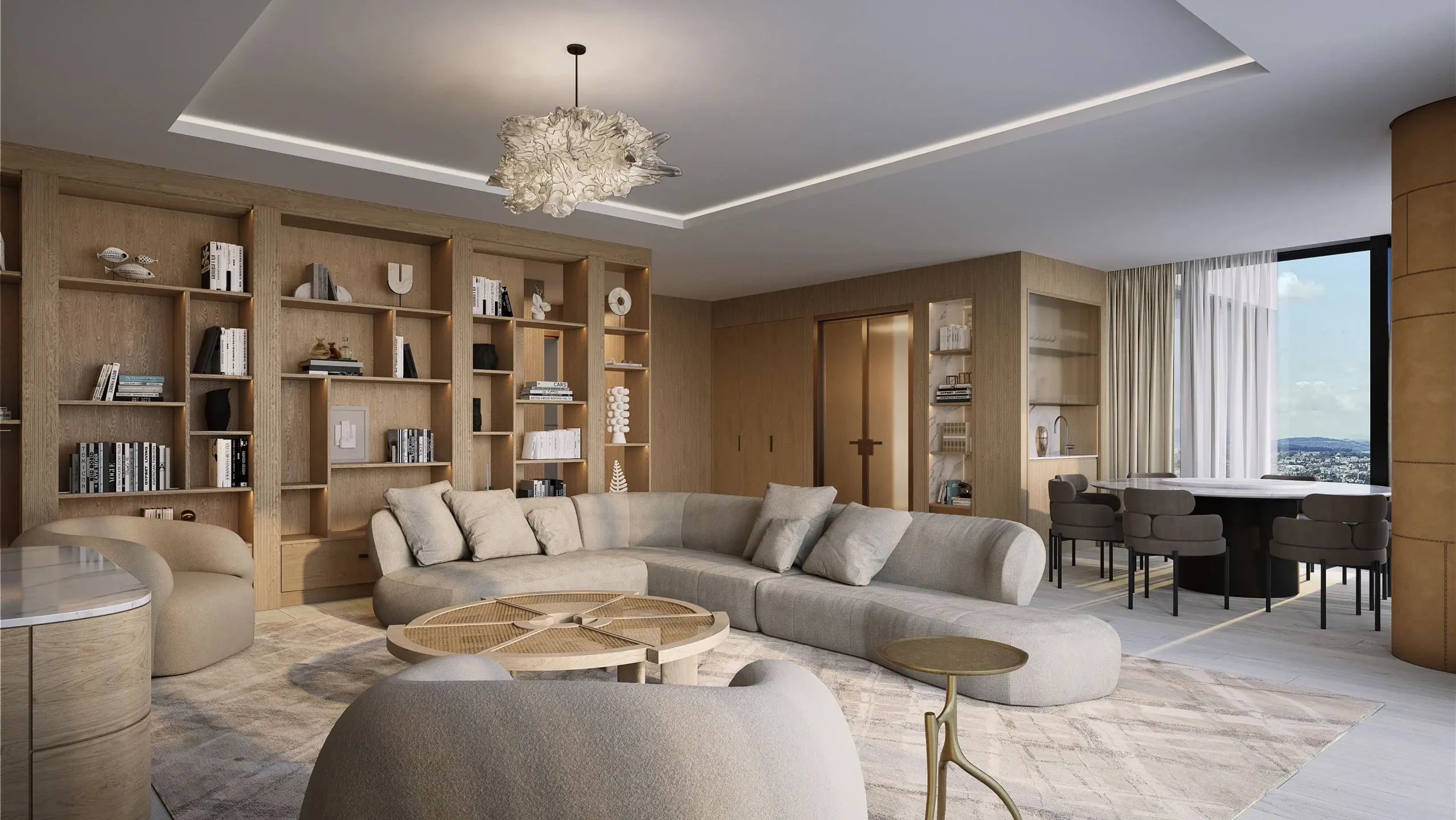
Nos meus vinte anos como empreiteiro de cozinhas, vi milhares de belos showrooms. Mas aqui está um segredo que os vendedores não lhe contarão: cada gabinete fica ótimo sob luzes fortes no dia da instalação. O verdadeiro teste acontece dois anos depois, quando um cano embaixo da pia goteja lentamente ou a ventilação da máquina de lavar louça libera vapor todos os dias.
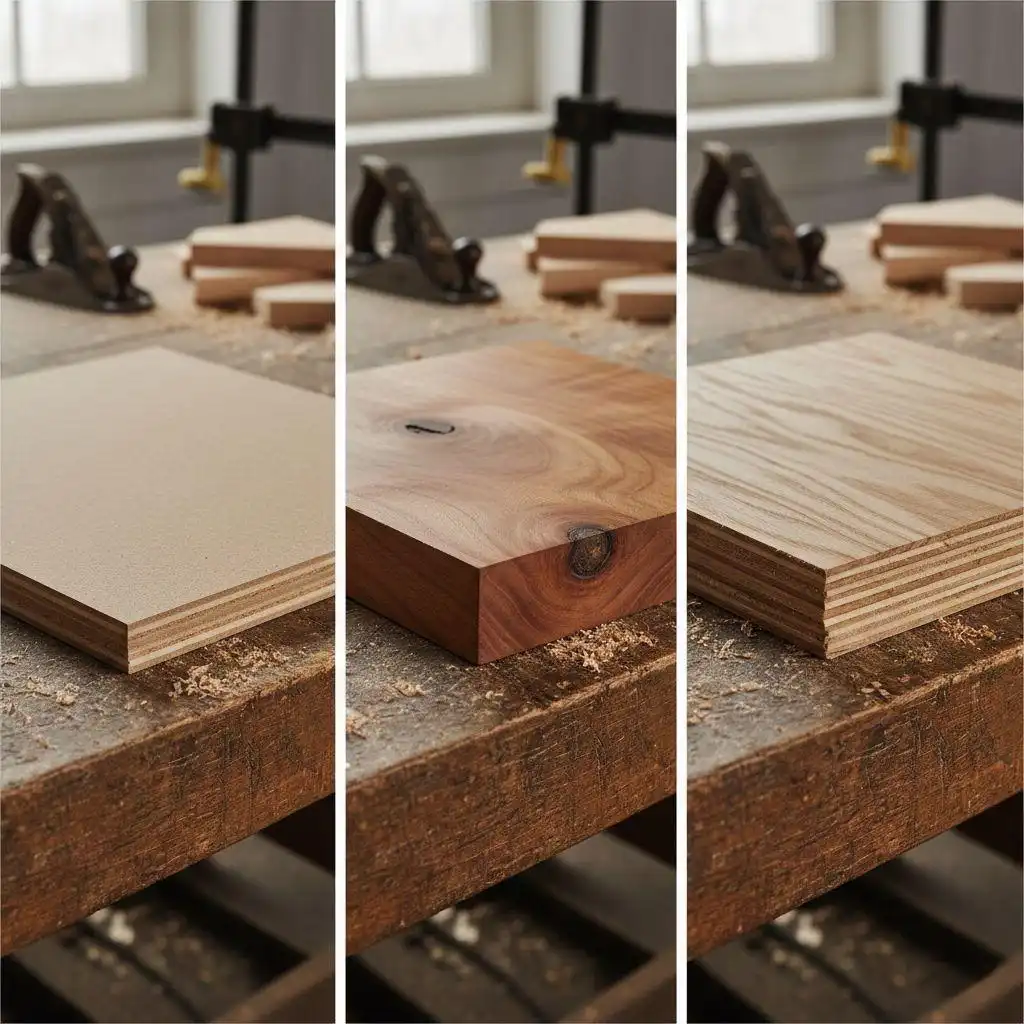
Para ajudar meus clientes a tomar uma decisão informada, decidi eliminar o boato do marketing. Realizei um experimento de workshop para descobrir o materiais de armário de cozinha mais duráveis submetendo-os a um teste de inundação no “pior cenário”. Se você deseja uma cozinha que dure décadas, não apenas anos, você precisa entender a ciência por trás desses materiais.
Os concorrentes: compreendendo os três padrões da indústria
Antes de passarmos ao teste de absorção, vamos definir o que realmente estamos testando. Quando as pessoas procuram o materiais de armário de cozinha mais duráveis, eles geralmente escolhem entre estes três:
-
Madeira maciça (bordo/carvalho): A escolha tradicional, valorizada pela sua beleza natural e prestígio.
-
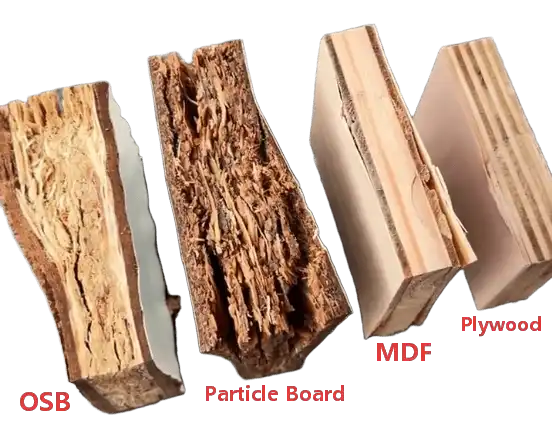
Contraplacado para móveis: Feito de finas camadas de folheado de madeira coladas em direções alternadas de fibras.
-
Painel de fibra de média densidade (MDF): Um produto de madeira projetada feito pela decomposição de resíduos de madeira dura ou macia em fibras de madeira e combinação com cera e um aglutinante de resina.
O experimento: o teste de submersão de 24 horas
Peguei amostras de 15 centímetros de cada material, todas com bordas inacabadas para simular onde a água normalmente entra em um gabinete – os recortes para tubos e dobradiças. Mergulhei-os em um balde d’água por 24 horas. Ao procurar o materiais de armário de cozinha mais duráveis, a forma como um material reage à umidade diz tudo sobre sua integridade estrutural interna.
1. Os resultados do MDF: uma falha estrutural
Após apenas 4 horas, a amostra de MDF começou a se expandir. Na marca de 24 horas, sua espessura aumentou quase 60%. As fibras começaram a delaminar e o material ficou macio o suficiente para ser amassado com a unha. Depois de seco, o MDF permaneceu empenado e quebradiço.
-
Visão do contratante: Embora o MDF seja popular para portas pintadas porque é estável e não se expande/contrai com a umidade, NÃO é absolutamente um dos materiais de armário de cozinha mais duráveis para caixas de armário. Se sua pia vazar uma vez, uma base de MDF provavelmente precisará de uma substituição total.
2. Os resultados da madeira maciça: o fator de deformação
O bordo sólido é incrivelmente forte, mas também é “respirável”. Após a imersão de 24 horas, a madeira não se desintegrou como o MDF, mas fez algo pior: “em concha”. À medida que as fibras absorviam água, a madeira se torcia. Mesmo depois de uma semana de secagem, a amostra nunca voltou à sua forma plana original.
-
Visão do contratante: A madeira maciça é um dos materiais de armário de cozinha mais duráveis para faces e caixilhos, mas para a estrutura interna, sua tendência a empenar pode fazer com que as portas fiquem desalinhadas e as bancadas percam o apoio.
3. Os resultados do compensado: o vencedor indiscutível
A madeira compensada é projetada especificamente para combater empenamentos. Como as camadas são coladas com o grão correndo em direções opostas, cada camada “trava” a outra no lugar. Após 24 horas na água, a amostra de compensado apresentou inchaço inferior a 5%. Depois de seco, era quase impossível dizer que alguma vez estivera molhado.
-
Visão do contratante: Quando os clientes me pedem o materiais de armário de cozinha mais duráveis para um ambiente de alta umidade, sempre indico o compensado de 7 ou 9 camadas. É o padrão ouro para longevidade estrutural.
Além da água: resistência a arranhões e sustentação de peso
A durabilidade não envolve apenas água; trata-se da rotina diária. Em nosso workshop, também analisamos como esses materiais suportam peso. Ao longo de 10 anos, uma prateleira carregada com pesadas placas de cerâmica começará a “sorrir” (ceder) se o material não for suficientemente forte.
Em termos de capacidade de carga, o compensado e a madeira maciça são significativamente superiores ao MDF. Quando você está investindo no materiais de armário de cozinha mais duráveis, você também está pagando pela força do poder de fixação do parafuso. As dobradiças permanecem firmes no compensado por décadas; em MDF ou painéis de partículas, eles geralmente se soltam após alguns anos de uso intenso.
O ROI da durabilidade: por que custa menos no longo prazo
Muitas vezes ouço os proprietários dizerem: “Mas os armários de madeira compensada custam 20% mais!” Isso é verdade. No entanto, se você olhar para o materiais de armário de cozinha mais duráveis do ponto de vista de um investimento de 20 anos, o compensado é, na verdade, muito mais barato.
Se você escolher materiais de baixa qualidade para economizar US$ 2.000 hoje, mas tiver que gastar US$ 15.000 em uma nova cozinha em sete anos devido a danos causados pela água ou prateleiras caídas, suas “economias” desaparecerão. Escolhendo o materiais de armário de cozinha mais duráveis é a única forma de garantir que a sua cozinha continue a ser uma mais-valia para o valor de revenda da sua casa.
FAQ: Aprofunde-se na longevidade do gabinete
Quais são os materiais de armários de cozinha mais duráveis para climas costeiros ou úmidos?
Em áreas de alta umidade, recomendo estritamente caixas de compensado com madeira maciça ou portas laminadas de alta pressão. A umidade do ar pode fazer com que o MDF inche com o tempo, mesmo sem vazamento direto. O compensado continua sendo o mais estável e materiais de armário de cozinha mais duráveis para ambientes com níveis de umidade flutuantes.
O acabamento afeta quais são os materiais mais duráveis para armários de cozinha?
Absolutamente. Um material é tão bom quanto seu escudo. Um verniz de conversão de alta qualidade ou um acabamento cozido aplicado de fábrica prolongarão significativamente a vida útil de qualquer material. Mesmo o materiais de armário de cozinha mais duráveis falhará se o acabamento permitir que a água penetre nas juntas.
É possível encontrar os materiais mais duráveis para armários de cozinha com um orçamento apertado?
Sim. Costumo sugerir uma abordagem “híbrida”. Gaste seu dinheiro em compensado para o armário da pia e os armários baixos (onde ocorre o maior desgaste). Você pode então usar materiais mais baratos para os armários superiores. Desta forma, você obtém o materiais de armário de cozinha mais duráveis onde eles são mais necessários sem quebrar o banco.
Como faço a manutenção dos meus gabinetes para garantir que permaneçam duráveis?
Mesmo se você tiver o materiais de armário de cozinha mais duráveis, você nunca deve deixar água parada nas superfícies. Limpe seus armários com um pano de microfibra úmido e seque-os imediatamente. Verifique embaixo da pia a cada três meses se há sinais de umidade.
Construa uma cozinha que dure a vida toda
Escolhendo o materiais de armário de cozinha mais duráveis é a decisão mais importante que você tomará durante a reforma. Não deixe um vendedor convencê-lo a usar gabinetes de “aparência luxuosa” que tenham um núcleo de “material barato”.
Se você quiser ver essas amostras de teste e sentir a diferença de qualidade, visite minha loja. Vou mostrar exatamente por que usamos o materiais de armário de cozinha mais duráveis em cada projeto que tocamos. A sua cozinha é o coração da sua casa – vamos garantir que ela tenha uma base que resista ao teste do tempo.
[Agende sua consulta de materiais com um empreiteiro profissional]