




Cupboard vs Cabinet:What Are the Real Differences?
Introduction to Home Storage Solutions
Imagine a homeowner standing in the middle of a kitchen renovation, surrounded by blueprints and sample materials, facing a critical decision: should they install cupboards or cabinets? This seemingly simple choice reflects a common challenge in home design—navigating the nuances of storage solutions to balance functionality, aesthetics, and space efficiency. The central question of “cupboard vs cabinet: what are the differences” extends beyond terminology, touching on structural design, usage scenarios, and practical benefits that directly impact daily living.
This article aims to demystify these two fundamental storage systems by systematically exploring their definitions, core features, and comparative advantages. We will analyze how each performs in different rooms—from the kitchen to the bathroom—and break down cost considerations to help readers make informed decisions. By the end, you will have a clear framework to determine which option aligns best with your home’s specific needs.
Understanding these differences is not merely an exercise in semantics; it is essential for optimizing storage space, enhancing home organization, and ensuring that your chosen solution integrates seamlessly with your lifestyle and interior design vision. Whether you are renovating, building a new home, or simply upgrading your storage, this guide will serve as a comprehensive resource to navigate the cupboard vs cabinet dilemma.
Definitions and Fundamental Concepts
When addressing cupboard vs cabinet what are the differences, a cupboard is defined as a storage unit that can be either freestanding or built-in, characterized by open shelves or simple doors, and is commonly utilized for general storage purposes. For instance, a kitchen cupboard is often employed to store dishes, where its open or simply enclosed structure allows for easy access to frequently used items. This fundamental definition helps establish the first layer of cupboard vs cabinet what are the differences analysis.

Building on cupboard vs cabinet what are the differences, a cabinet, in contrast, represents a more structured storage solution, frequently built-in, featuring enclosed storage with specialized components such as drawers and advanced hinges, and offering a higher degree of customization. A typical example is a bathroom cabinet with mirrored doors, which not only provides enclosed storage for toiletries but also incorporates additional functional elements like mirrors and often includes internal organization systems to maximize storage efficiency. This comparison further clarifies cupboard vs cabinet what are the differences in functional complexity.

Core Features Comparison
When examining cupboard vs cabinet what are the differences, their core features diverge significantly across structure, design, functionality, and placement.
Structurally, cupboards typically utilize simpler materials such as plywood with basic hinges and minimal reinforcement, resulting in lower load-bearing capacities suitable for lightweight items like linens or kitchenware. In contrast, cabinets often feature hardwood frames, reinforced corners, and advanced hardware like soft-close doors and drawer glides, enabling them to support heavier loads such as dinnerware sets or small appliances. This structural disparity is a key element in understanding cupboard vs cabinet what are the differences.
evident in practical applications: a freestanding linen cupboard, commonly found in laundry rooms, relies on a basic frame with particleboard shelves, while built-in kitchen cabinets incorporate solid wood panels and metal brackets for enhanced durability.
Design-wise, cupboards prioritize simplicity and cost-effectiveness, often featuring plain exteriors with minimal decorative elements and standard door styles. Cabinets, however, emphasize aesthetic integration, offering customizable finishes, panel designs, and architectural detailing to match interior decor themes. Functionality also distinguishes the two: cupboards primarily serve as enclosed storage with fixed shelves and basic door mechanisms, whereas cabinets integrate versatile storage solutions such as adjustable shelving, pull-out drawers, and specialized compartments (e.g., spice racks or utensil dividers).
Placement further highlights cupboard vs cabinet what are the differences. Cupboards are frequently freestanding units positioned in utility spaces like pantries, garages, or laundry rooms, designed for standalone use with limited integration into surrounding architecture. Cabinets, by contrast, are often built-in or semi-custom installations seamlessly integrated into kitchen walls, bathroom vanities, or living room entertainment centers, maximizing space utilization and creating cohesive design flows. This placement distinction underscores their respective roles: cupboards as practical, standalone storage solutions and cabinets as integrated components of interior design systems.
These core feature differences collectively define the distinct applications and value propositions of cupboards and cabinets in residential and commercial spaces.
Pros and Cons Analysis
Pros and Cons of Cupboards in the Cupboard vs Cabinet Comparison
Cupboards offer distinct advantages centered on accessibility and cost-effectiveness. Their typically unassembled or modular design enables greater portability, making them suitable for renters or individuals requiring flexible storage solutions that can be relocated with minimal effort. This design also contributes to lower initial costs, as cupboards often utilize simpler construction methods and materials compared to built-in alternatives. However, these benefits are balanced by notable limitations. The use of lightweight materials such as particleboard or thin plywood compromises long-term durability, particularly in environments with fluctuating humidity levels like kitchens or bathrooms. Additionally, cupboards generally provide less customization in terms of size, finish, and internal organization, which may restrict their ability to optimize specific spatial configurations.
Pros and Cons of Cabinets in the Cupboard vs Cabinet Analysis
Cabinets excel in customization and structural integrity, positioning them as a premium storage solution. Their built-in nature allows for precise tailoring to room dimensions, with options for custom finishes, hardware, and internal fittings such as adjustable shelves or specialized compartments, enabling optimal storage optimization for diverse needs. Constructed from high-quality materials like solid wood, hardwood veneers, or moisture-resistant MDF, cabinets demonstrate superior durability and resistance to environmental stressors, making them suitable for high-traffic areas. The primary drawback, however, lies in their higher initial costs, which encompass not only materials but also professional installation expenses. This investment, while offset by longevity and enhanced home value, may present a barrier for budget-constrained consumers or temporary living situations.
Understanding the cupboard vs cabinet differences in durability and cost helps homeowners and renters make informed decisions based on their specific circumstances. For instance, individuals in high-moisture environments such as bathrooms or coastal regions would benefit from cabinets’ superior resistance to warping and decay, whereas those prioritizing mobility or short-term affordability may find cupboards more practical. The trade-off between customization and cost further underscores the importance of aligning storage choices with long-term living plans and functional requirements.
Room-by-Room Recommendations
Kitchen: Balancing Functional Integration and Spatial Flexibility
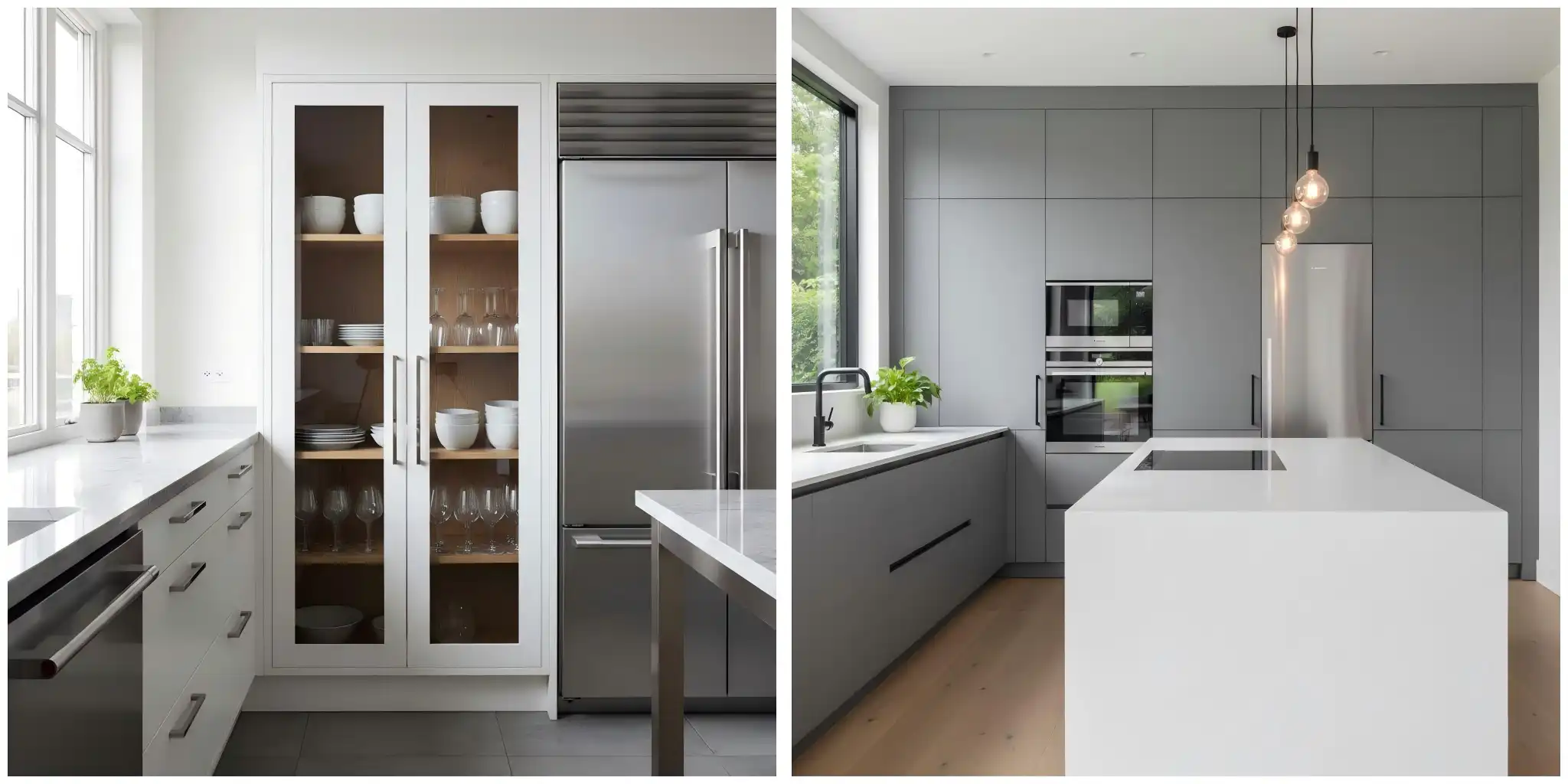
In kitchen environments, the choice between cupboards and cabinets requires differentiated matching based on spatial characteristics and functional needs. When considering cupboard vs cabinet what are the differences, cabinets demonstrate superior custom design capabilities, serving as core components of embedded countertop systems that seamlessly integrate with overall kitchen decor while enhancing operational efficiency through built-in spice racks, drawer dividers, and specialized storage units. For instance, custom floor-to-ceiling cabinet combinations along kitchen walls maximize vertical storage space while creating visual depth perception through mixed glass and solid wood door panels.
Cupboards, by contrast, function as freestanding supplementary storage—ideal for compact kitchens under 6 square meters where mobile cupboards can be flexibly positioned in corners to store seasonal tableware or backup ingredients, with adjustable shelves accommodating varying item heights. The fundamental cupboard vs cabinet difference here lies in cabinets emphasizing systematic storage integration versus cupboards providing flexible supplementary storage solutions.
Bedroom: Adapting Fixed vs. Flexible Storage Solutions
Bedroom storage solutions must balance privacy, space utilization, and accessibility. When evaluating cupboard vs cabinet what are the differences in bedroom applications, built-in cabinets demonstrate superior vertical space utilization through wall-integrated designs—particularly effective for compact bedrooms under 3.5 meters in width. Custom wardrobe systems spanning from floor to ceiling along headboard walls provide maximum storage capacity with specialized zones for hanging garments, folded items, and accessories while eliminating dust-collecting gaps.
Freestanding cupboards, however, better suit rental situations or temporary storage needs—mobile metal-framed cupboards with locking casters allow reconfiguration, while open shelving facilitates quick access to frequently used items (requiring regular dusting). The cupboard vs cabinet decision framework here prioritizes cabinets for permanent residences requiring maximum storage efficiency versus cupboards offering practical flexibility for unstable living situations or temporary expansion needs.
.webp "cupboard vs cabinet what are the differences(1)")
Bathroom: Environmental Adaptability and Storage Safety Considerations
Bathroom environments with high humidity demand specialized materials and construction for storage furniture. Addressing cupboard vs cabinet what are the differences in moisture-prone areas, moisture-resistant cabinets typically feature multi-layer solid wood panels with PVC edge sealing, waterproof gaskets, and ventilation Kong Design to effectively block moisture intrusion—ensuring safe storage of cosmetics and toiletries.
Wall-mounted bathroom cabinets, for instance, minimize floor moisture Contact Through Suspension Installation, while mirrored cabinet combinations integratethe washing and drying functions with storage, featuring anti-fog mirrors and partitioned shelving for enhanced usability. Traditional wooden cupboards, lacking professional moisture protection, often suffer from warping and hardware corrosion over time. This highlights a fundamental cupboard vs cabinet difference: cabinets achieve environmental adaptability through material improvements and structural optimization, whereas cupboards’ generic designs struggle to meet bathroom’s demanding conditions.
.webp "cupboard vs cabinet what are the differences(2)")
Living Room: Balancing Display and Storage Functions
As the core family activity area, living room storage furniture must balance functionality with decor. When examining cupboard vs cabinet what are the differences in living spaces, modular display cabinets combine glass doors with wooden frames to showcase collections while concealing daily items, with configurable designs adjusting to spatial dimensions.
L-shaped TV cabinet combinations, for example, typically feature open display shelves, closed storage drawers, and dedicated compartments for audio-visual equipment—achieving functional zoning. Freestanding cupboards serve as supplementary furniture in this context, such as vintage-style solid wood cupboards used as sideboards with open shelving for books or plants, requiring coordination with overall decor.
The application boundary in cupboard vs cabinet comparisons here shows cabinets achieving unified spatial aesthetics and function through systematic design, while cupboards function as stylistic accents and supplements.
.webp "cupboard vs cabinet what are the differences(3)")
Analysis across spatial scenarios reveals cupboard vs cabinet what are the differences lies in the trade-off between fixed systems vs. flexible units e specialized functions vs. general needs. In practical applications, they often form complementary relationships—kitchens use cabinets as primary storage systems supplemented by cupboards for temporary items; bedrooms employ custom cabinets for long-term storage paired with mobile cupboards for seasonal goods. This combination strategy maximizes the advantages of both furniture types, achieving optimal balance between space utilization efficiency and usability in the cupboard vs cabinet decision matrix.
Cost Considerations and Budget Planning
When evaluating the financial implications in the cupboard vs cabinet what are the differences framework, a comprehensive cost analysis must encompass three core components: initial purchase expenses, installation costs, and long-term maintenance investments. Freestanding cupboards typically present a lower entry barrier with basic units ranging from $100 to $300, making them an accessible option for budget-conscious consumers or temporary storage needs. Their standardized design facilitates straightforward DIY installation, eliminating professional labor fees that often constitute 20-30% of custom cabinet projects. This cost comparison is crucial in answering cupboard vs cabinet what are the differences for budget planning.
In contrast, custom cabinets involve a higher upfront investment, with individual units generally priced between $500 and $1,500. This premium reflects not only materials quality but also the tailored design process, precise measurements, and professional installation required to integrate seamlessly with specific architectural configurations. When evaluating budget, cupboard vs cabinet what are the differences in long-term value become critical—cabinets may cost more now but reduce replacement costs later due to their superior construction and durability. This long-term perspective is essential in fully understanding cupboard vs cabinet what are the differences in financial impact.
Maintenance expenses further differentiate the two options in the cupboard vs cabinet what are the differences evaluation. Cupboards often utilize particleboard or laminate materials that are prone to water damage and wear, leading to potential replacement costs every 5-8 years. Cabinets, constructed with solid wood or plywood substrates and durable finishes, require minimal upkeep beyond periodic cleaning and hardware replacement, resulting in lower cumulative expenses over their extended lifespan. This cost-benefit dynamic underscores the importance of aligning the selection with both immediate budget constraints and long-term financial planning objectives when addressing cupboard vs cabinet what are the differences.
Conclusion and Final Recommendations
To address the question “cupboard vs cabinet what are the differences” comprehensively, this analysis has identified three core distinctions: structure, functionality, and cost. Cupboards typically feature simpler, freestanding or wall-mounted designs with basic shelving, prioritizing flexibility and affordability in the cupboard vs cabinet what are the differences spectrum. Cabinets, by contrast, are characterized by robust, often built-in construction with specialized storage solutions like drawers, doors, and adjustable components, offering superior durability and customization potential. Cost-wise, cupboards present a budget-friendly option with lower upfront expenses, while cabinets involve higher initial investment but deliver long-term value through enhanced resilience and tailored functionality. This tripartite framework provides a comprehensive answer to cupboard vs cabinet what are the differences.
When navigating the cupboard vs cabinet decision based on our analysis of cupboard vs cabinet what are the differences, a clear framework emerges: opt for cupboards when prioritizing cost efficiency, temporary storage needs, or the ability to reconfigure spaces. Choose cabinets for permanent installations, high-traffic areas requiring durability, or when customization to specific dimensions and aesthetic preferences is essential. This practical guidance stems directly from understanding cupboard vs cabinet what are the differences at a fundamental level.
Ultimately, the cupboard vs cabinet choice hinges on individual requirements, building upon our comprehensive exploration of cupboard vs cabinet what are the differences. Assess your available space, budget constraints, and style objectives to determine which solution aligns best with your long-term needs. By prioritizing these factors through the lens of cupboard vs cabinet what are the differences, you can select the storage option that optimizes both functionality and value for your unique context.
Artigos relacionados:
Profundidade padrão de armários de cozinha: o segredo de 24 polegadas para um design perfeito