
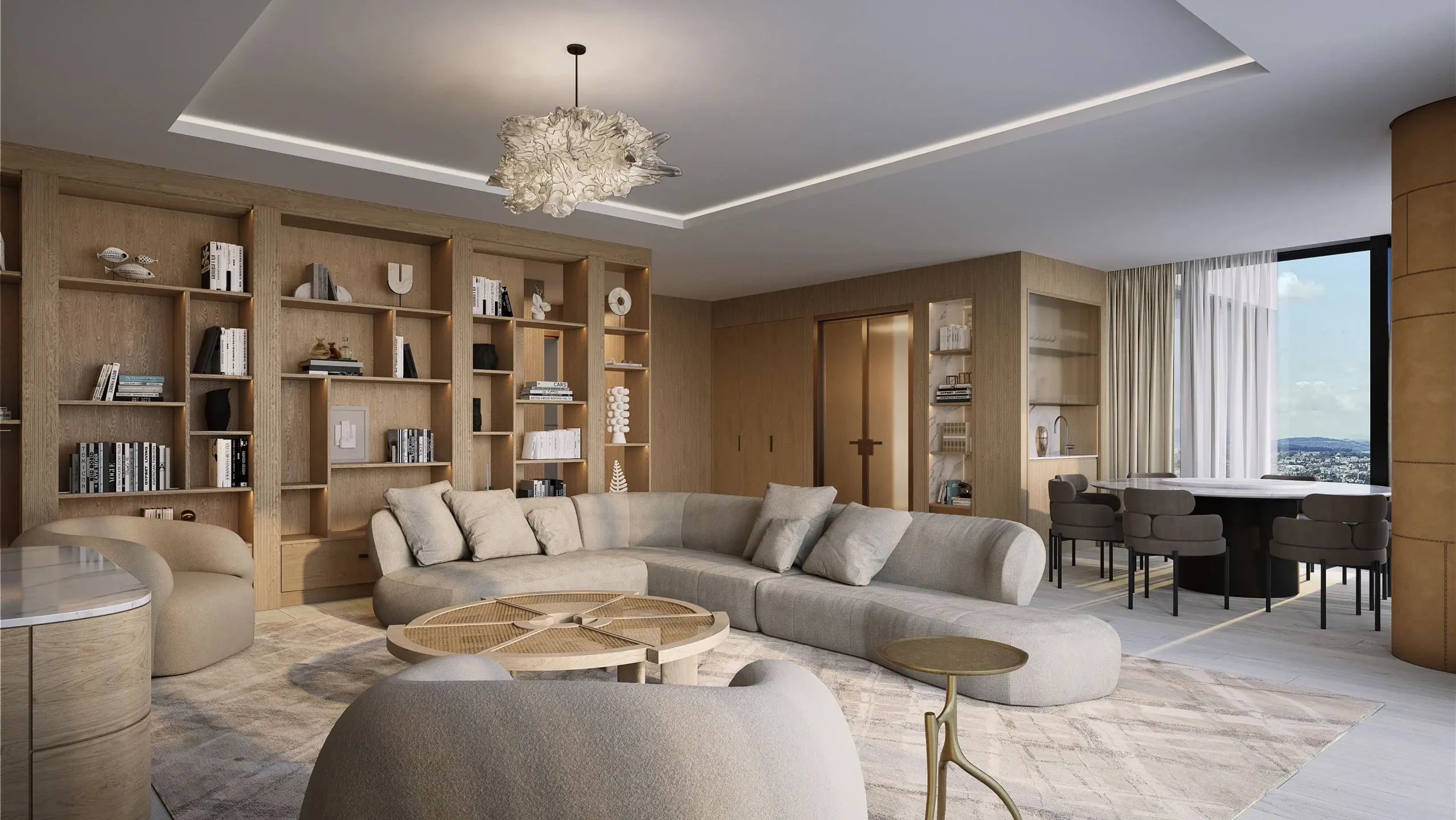
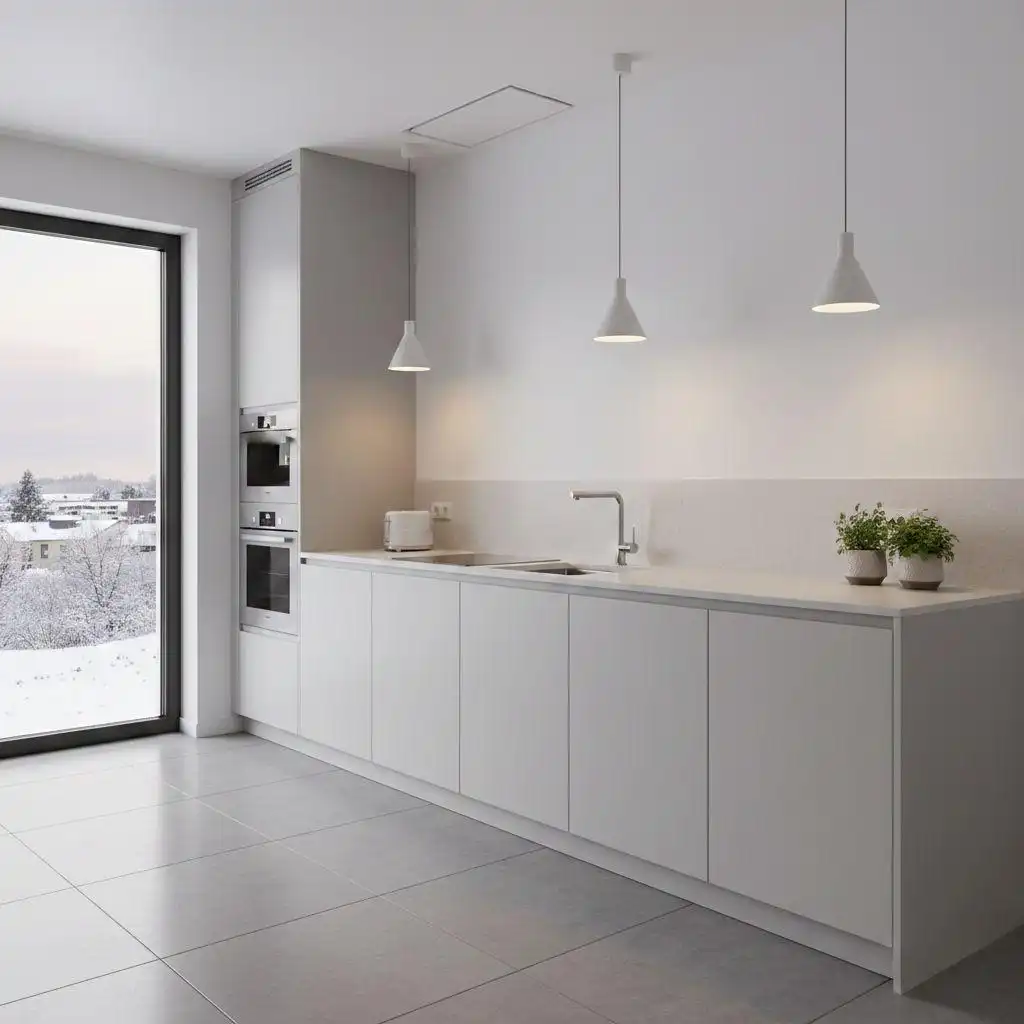
A one wall kitchen—sometimes called a single-wall kitchen—looks straightforward on a floor plan. All the cabinets, appliances, sink, and cooking area line up along one wall. No corners. No islands. No wrap-around layouts.
But in real homes, this layout can go in two very different directions.
When planned well, a one wall kitchen feels clean, efficient, and surprisingly spacious—even in small apartments or open-plan living areas. When planned poorly, it feels cramped, cluttered, and frustrating to use.
The difference isn’t style.
It’s layout decisions, cabinet strategy, and storage planning.
In this guide, you’ll find practical one wall kitchen design ideas that actually work in real homes—not just in showroom photos. We’ll focus on how to protect prep space, improve storage, and make a single-wall kitchen feel larger and calmer, especially when it’s visible from the living room.
What Is a One Wall Kitchen Layout?
A one wall kitchen layout places all functional zones—storage, sink, prep area, cooking, and appliances—along a single straight wall.
Instead of turning corners like an L-shaped kitchen or wrapping into a U-shape, this layout relies on one continuous run of cabinets. That makes it especially common in:
-
Small apartments
-
Studio flats
-
Open-plan living spaces
-
Narrow homes and condos
Because there’s only one main working wall, every cabinet choice matters. A good one wall kitchen design ideas is not just “a row of cabinets,” but a carefully planned sequence that balances workflow, storage, and visual simplicity.
Plan First: 5 Key Decisions Before Choosing Cabinets
Most mistakes in one wall kitchen design ideas happen when people jump straight to door styles and colors. Before you choose cabinets, answer these five questions first.
1. How Much Continuous Countertop Do You Need?
A single-wall kitchen depends heavily on uninterrupted counter space. If the sink and cooktop divide the counter into tiny sections, daily cooking becomes uncomfortable very quickly.
Try to protect at least one clear prep zone where chopping, mixing, and plating can happen without obstacles.
2. Is the Sink Location Fixed?
If plumbing can’t move, you can still improve function with better drawer systems and organizers.
If the sink can move, relocating it slightly toward one end often creates a much better prep flow.
In many one wall kitchens, the center of the run is the most valuable real estate—save it for prep.
3. How Do You Actually Cook?
Light cooking households can prioritize cleaner visuals, open shelving, and compact appliances.
Heavy cooking households need:
-
Durable worktops
-
Easy-clean backsplashes
-
Strong ventilation
-
Functional storage close to the cooktop
Your cabinet design should reflect reality, not trends.
4. How Much Storage Do You Truly Need?
Be honest about how you live.
If you store bulk groceries, large pots, or countertop appliances, you’ll need:
-
Tall pantry cabinets
-
Deep drawers
-
Internal organizers
A minimalist look only works when storage is planned properly behind the scenes.
5. Do You Want “More Space” or “More Luxury”?
These two goals lead to different design choices.
-
Feel bigger: lighter finishes, fewer visual breaks, cleaner cabinet lines
-
Feel luxurious: material contrast, layered lighting, integrated appliances
Neither is wrong—but clarity makes design decisions much easier.
Smart One Wall Kitchen Design Ideas You Can Actually Use
Below are practical one wall kitchen design ideas use repeatedly because they solve real problems—storage, workflow, and visual heaviness.
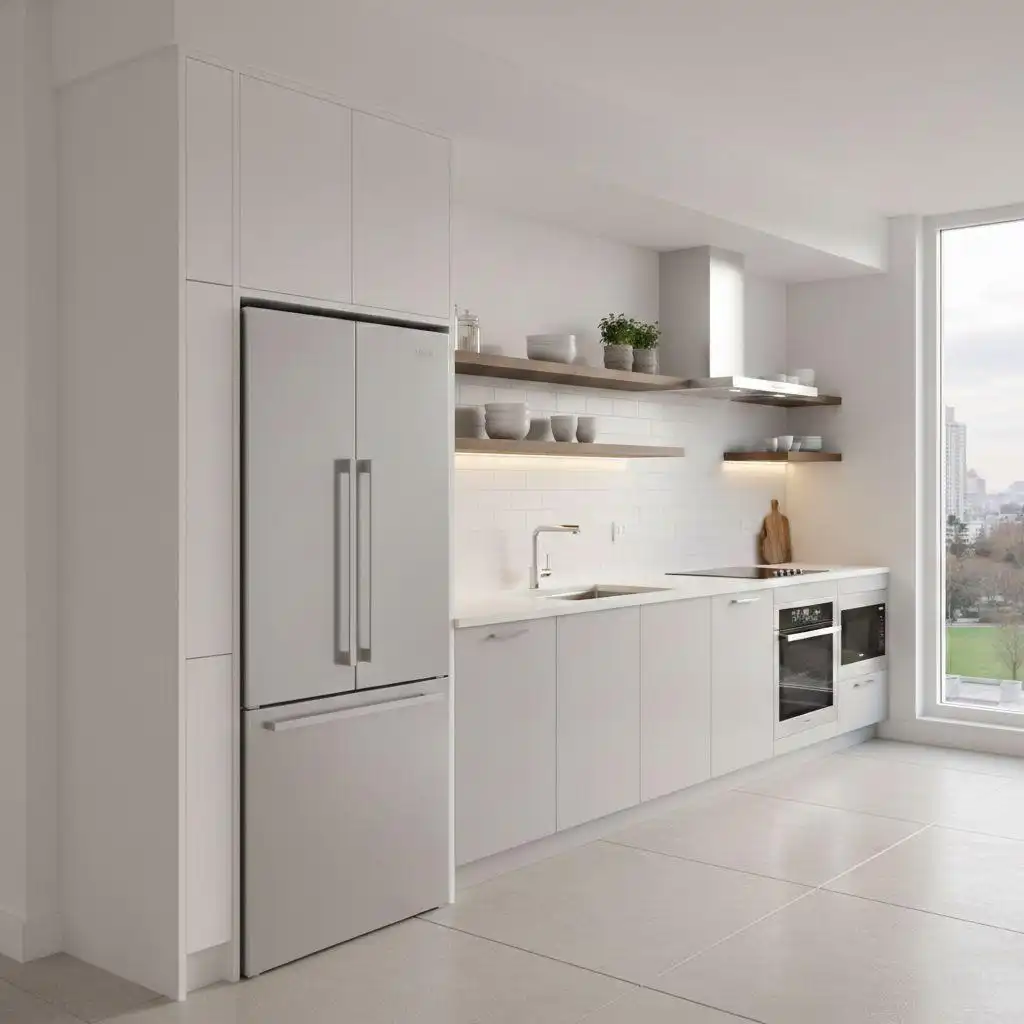
Group Tall Cabinets Together
Instead of spreading tall cabinets across the wall, group them on one side. This might include:
-
Refrigerator tall unit
-
Pantry cabinet
-
Built-in oven or microwave tower
Visually, this creates a strong vertical block. Functionally, it keeps the rest of the wall lighter and preserves counter space for daily use.
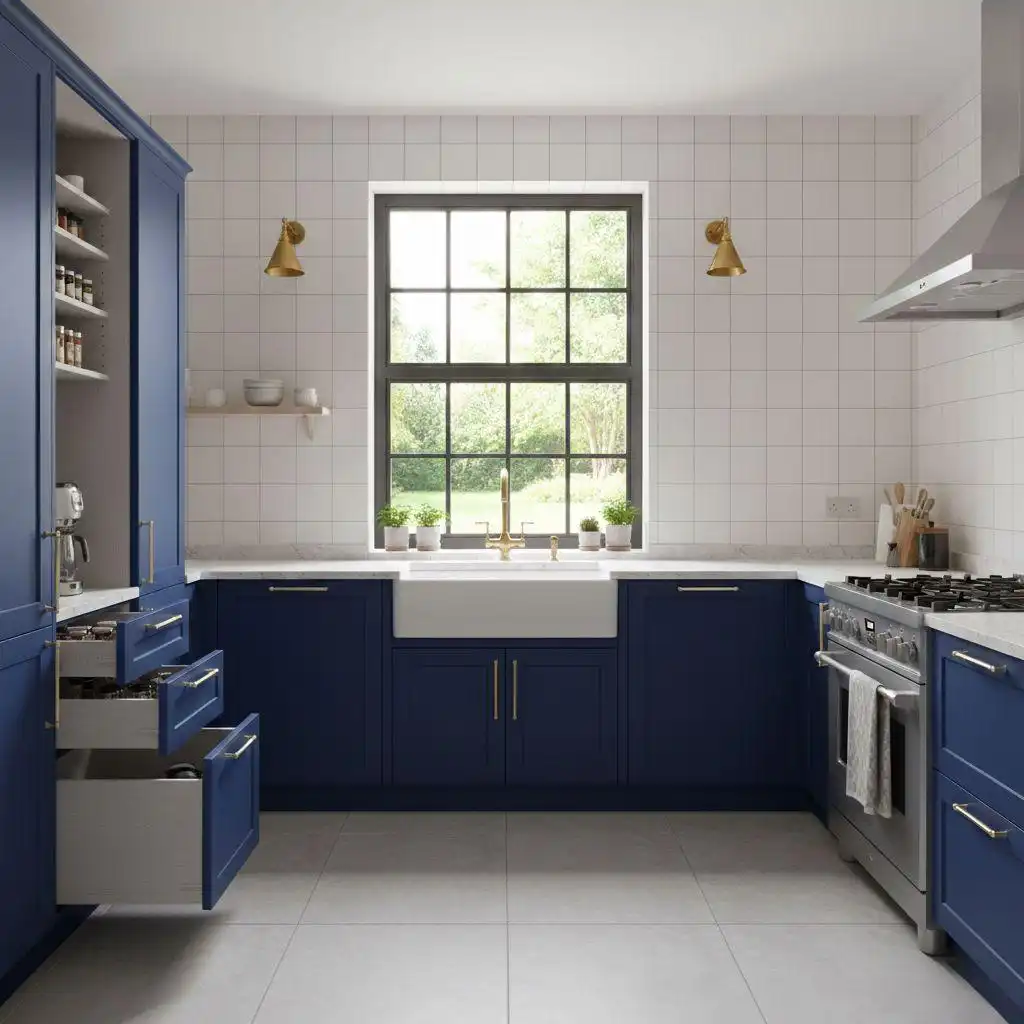
Add an Appliance Garage to Control Clutter
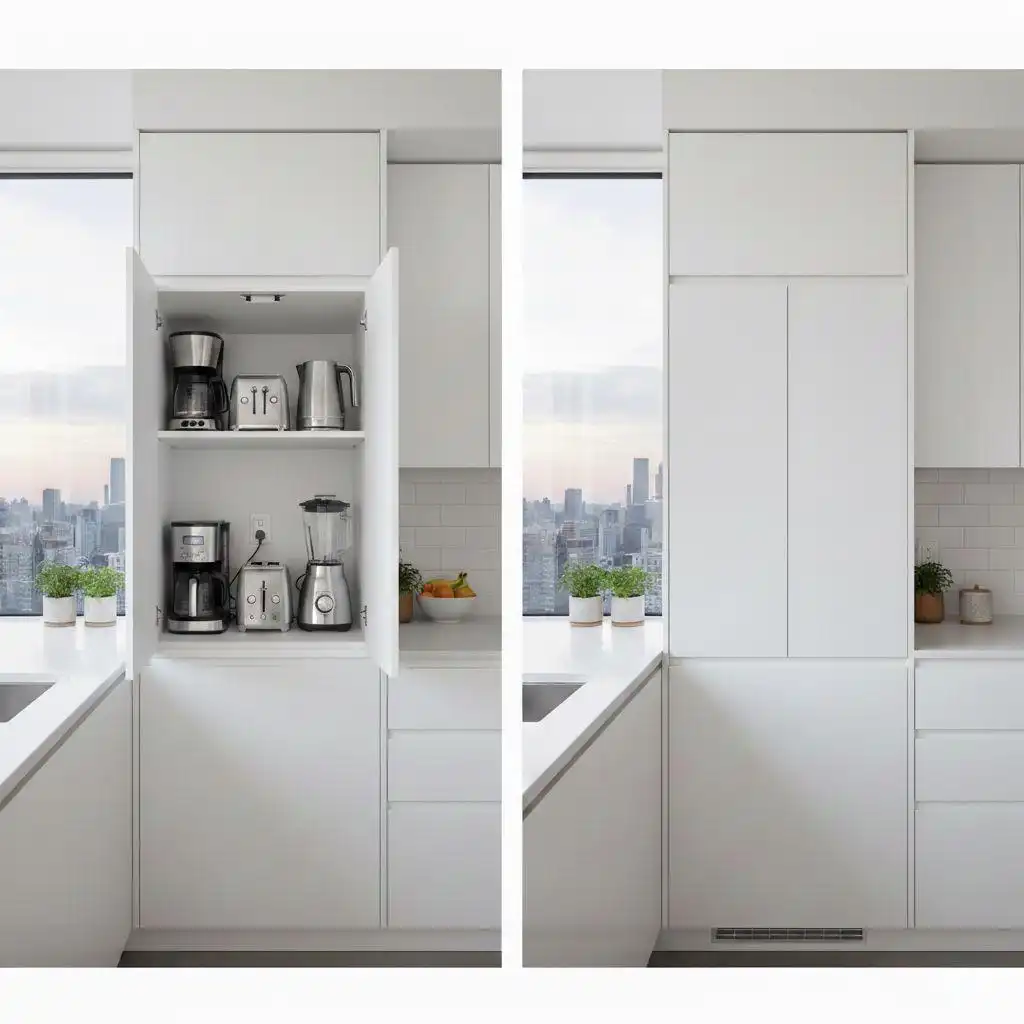
In one wall kitchens, countertop clutter becomes visible instantly—especially in open-plan homes.
An appliance garage hides items like:
-
Coffee machines
-
Toasters
-
Kettles
-
Blenders
Behind lift-up or pocket doors, these appliances stay accessible but invisible, keeping the kitchen calm even during daily use.
Consider Deeper Base Cabinets (When Space Allows)
Standard base cabinets are usually around 600mm deep. In some spaces, slightly deeper cabinets provide:
-
More usable prep space
-
Better internal storage
-
A more generous work surface
This works best when the room has enough circulation space. Comfort always comes before capacity.
Reduce Upper Cabinets to Open the Space
A wall fully packed with upper cabinets can feel heavy. One effective strategy is to remove upper cabinets over part of the run—often above the sink or prep area—and replace them with a full-height backsplash.
The result:
-
More visual breathing room
-
A taller, wider feel
-
A more architectural look
Storage can be compensated with drawers or a pantry unit.
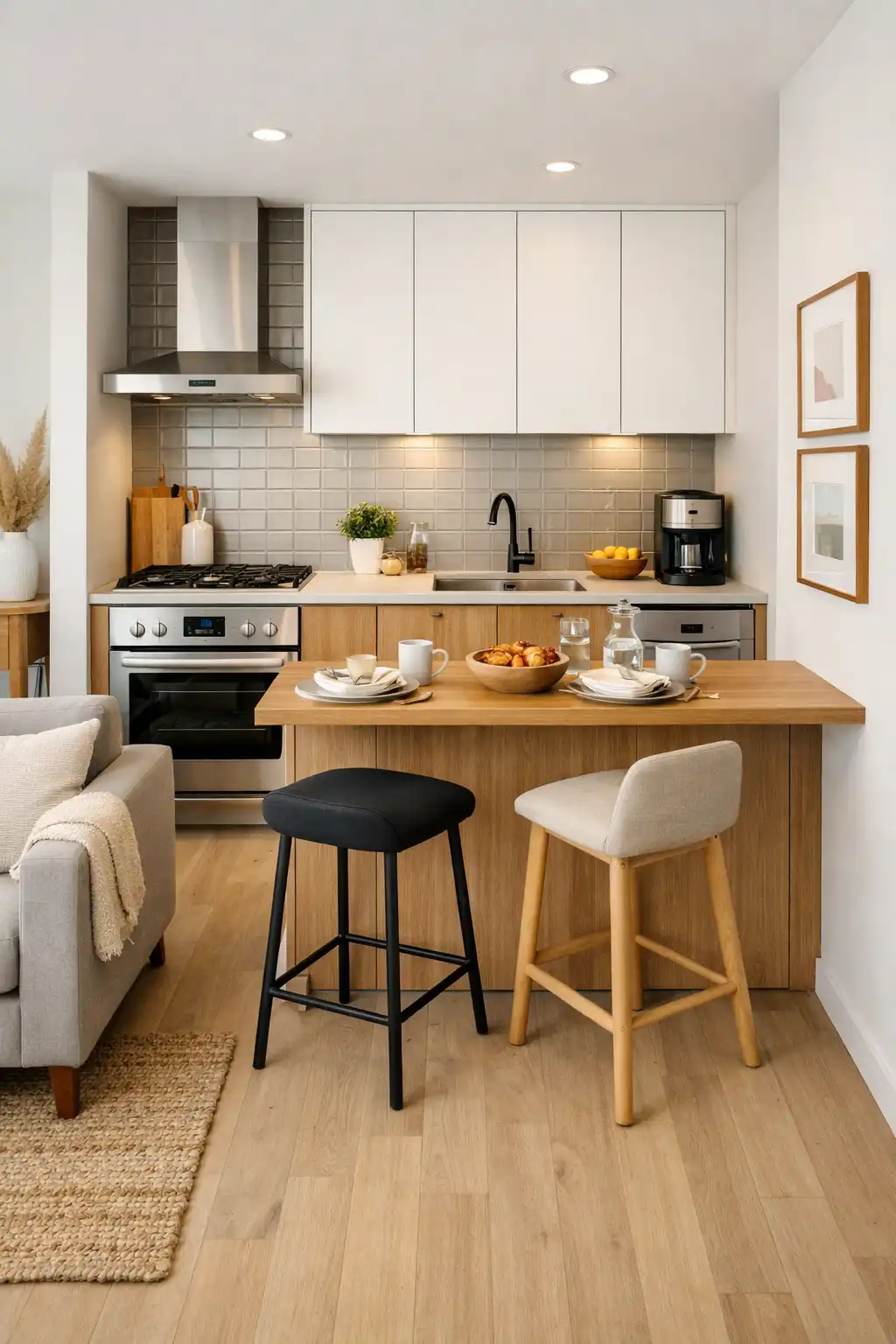
Extend the Counter for Casual Seating
You don’t need a full island to gain extra function. A small counter extension can act as:
-
A breakfast spot
-
A casual dining area
-
Extra prep space
This is especially useful in compact homes where the kitchen and living area overlap.
Design the Kitchen Like Built-In Furniture
To avoid the “kitchen stuck on a wall” look, treat the cabinetry as built-in furniture. This usually means:
-
Full-height panels
-
Aligned door lines
-
Integrated appliances
In modern interiors, this approach makes a one wall kitchen design ideas blend seamlessly into the living space.
Move the Sink to Preserve Prep Space
Centering the sink often breaks the counter into awkward sections. Shifting it toward one side can free up a large central prep area.
For people who cook often, this single change can dramatically improve daily workflow.
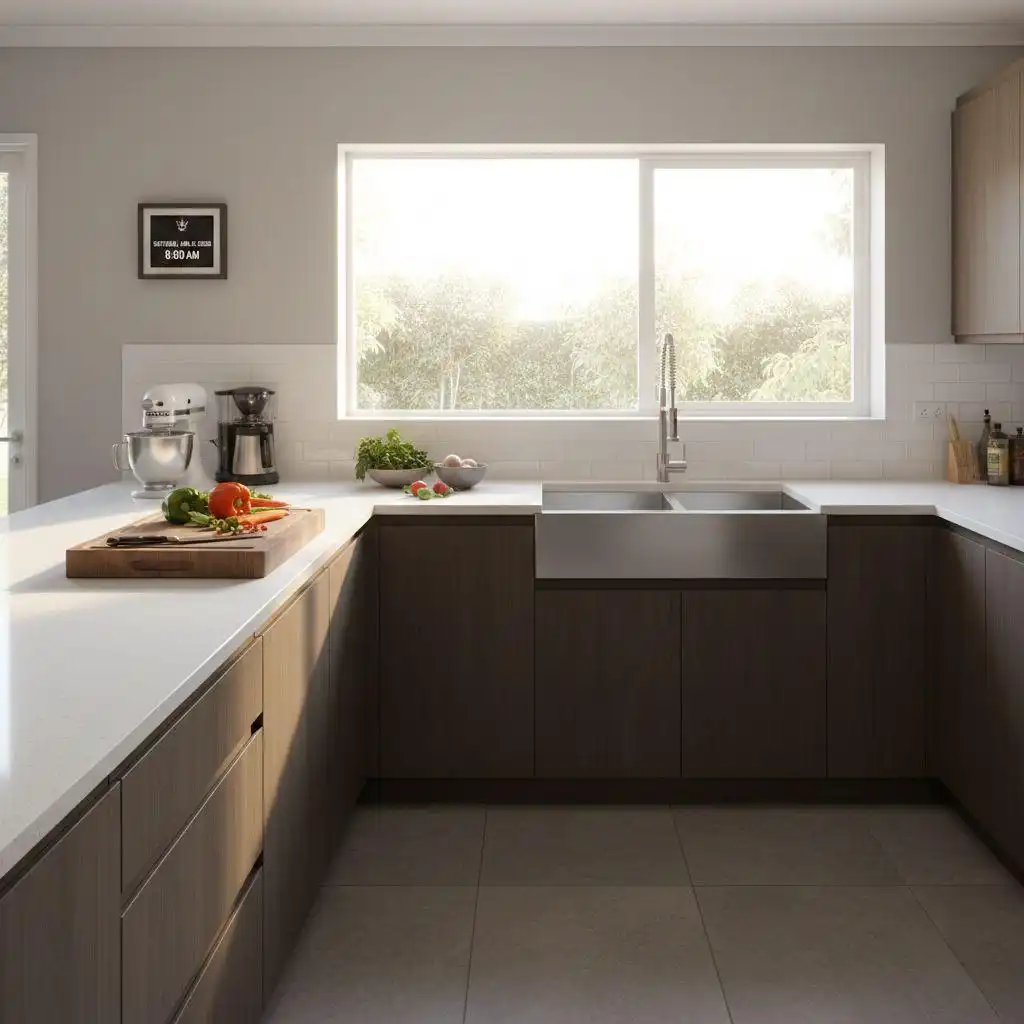
Mix Open Shelves With Closed Cabinets Carefully
Open shelves should be an accent, not the main storage strategy. In a single-wall layout:
-
Use open shelves sparingly
-
Keep them styled and consistent
-
Rely on closed cabinets for daily storage
This balance keeps the kitchen looking intentional instead of messy.
Use Drawers as the Primary Storage System
Drawers outperform shelves in almost every way:
-
Easier access
-
Better organization
-
Less wasted space
Deep drawers are especially valuable in one wall kitchens where upper cabinets may be limited.
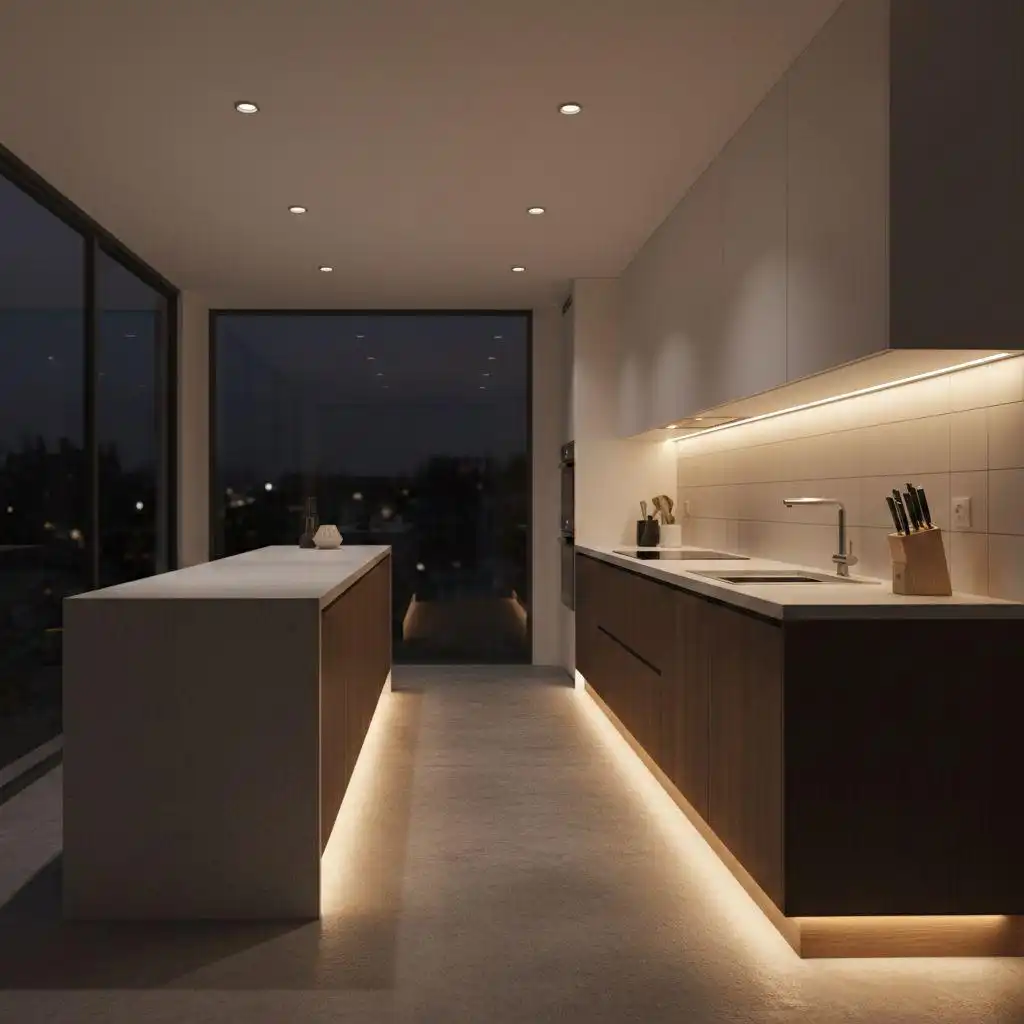
Use Layered Lighting to Add Depth
Lighting turns a simple one wall kitchen design ideas into a designed space.
Key layers include:
-
Under-cabinet lighting for task work
-
Soft toe-kick lighting for depth
-
Consistent color temperature throughout
Good lighting improves both function and atmosphere—especially at night.
Final Thoughts: Why One Wall Kitchens Work When Planned Properly
A one wall kitchen can feel spacious, modern, and even luxurious—but only when layout and cabinetry are planned intentionally.
The best one wall kitchen design ideas focus on:
-
Protecting prep space
-
Maximizing smart storage
-
Keeping the visual line clean and calm
Trends come and go. Workflow and good cabinet design never do.
Ready to Plan Your One Wall Kitchen?
If you’re working with aone wall kitchen design ideas—especially in a space that doesn’t fit standard cabinet sizes—layout planning and cabinet customization make a huge difference.
Share a few basic details with us, such as:
-
Your wall length and ceiling height
-
Whether the sink or appliances can be moved
-
How often you cook and what storage you need
Our design team can help you:
-
Optimize your one wall kitchen layout
-
Design a fully custom cabinet solution
-
Provide a clear 3D kitchen visualization before production
Whether you’re planning a small apartment kitchen or a modern open-plan space, we’ll help you create a one wall kitchen design ideas that feels bigger, works better, and fits your lifestyle.
Contact us to start your custom kitchen design consultation.