
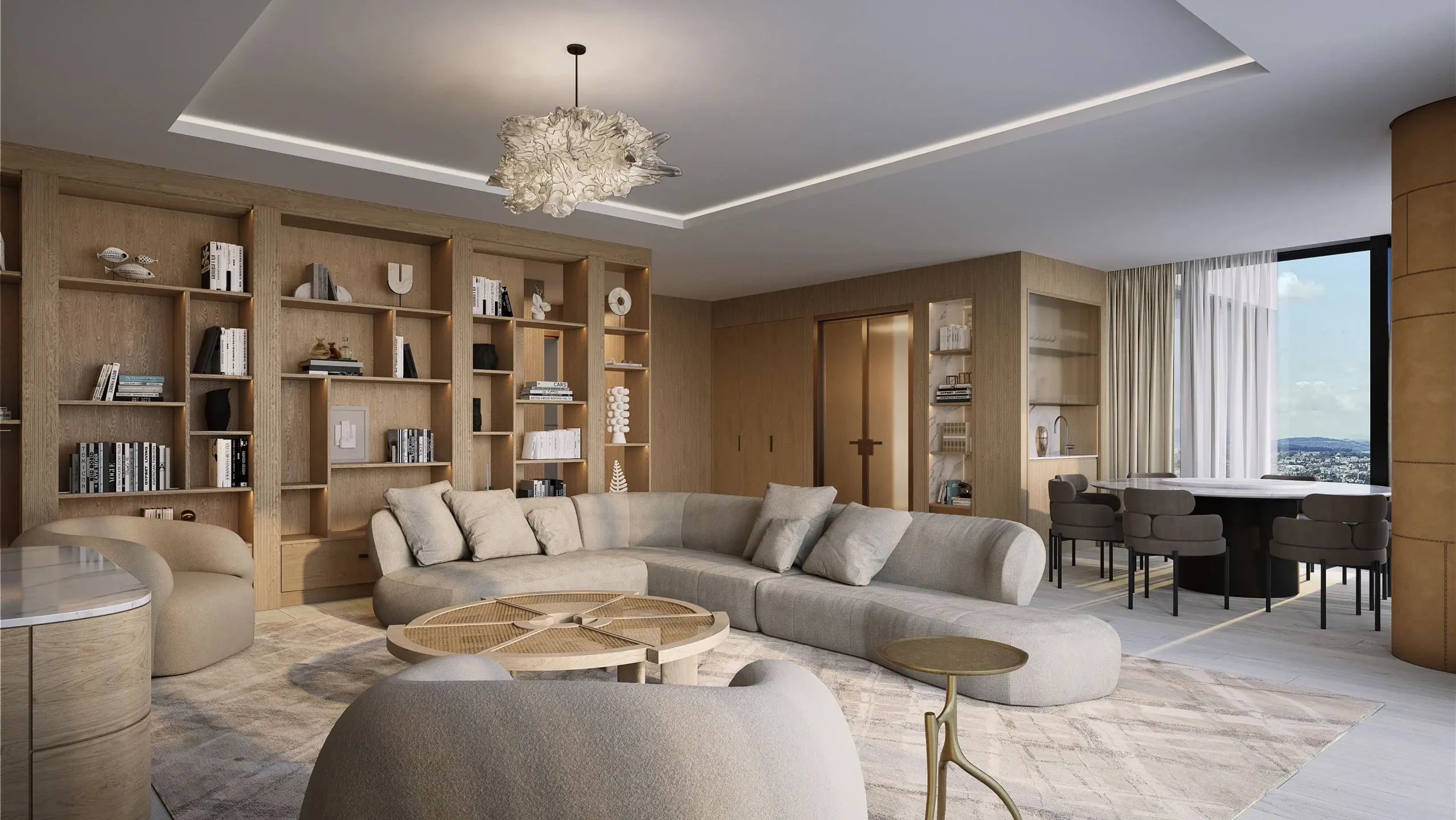
إذا دخلت إلى الجزء الخلفي من أي مطعم من فئة الخمس نجوم، فلن ترى خشب البلوط أو الخشب الحبيبي. سترى جدرانًا من الفولاذ. لعقود من الزمن، اعتمد عالم الطهي الاحترافي على المعدن لسبب واحد بسيط: إنه فعال. إنها قوية وصحية ومحصنة ضد ضغوط المطبخ المزدحم.
لفترة طويلة، كانت هذه الجمالية الصناعية تعتبر باردة للغاية، أو باهظة الثمن، أو ببساطة شديدة الأهمية بالنسبة للسوق السكنية. والآن يتغير هذا الشعور بسرعة. نظرًا للطلب على المتانة الفائقة والنظافة التي لا مثيل لها والالتزام بالمواد المستدامة، يختار أصحاب المنازل بشكل متزايد خزائن المطبخ المعدنية بدلاً من الخشب التقليدي. إنها توفر مزيجًا فريدًا من المنفعة والأناقة التي يمكن أن ترفع مستوى المساحة الحديثة.
فيما يلي تقييم متعمق وصادق حول ما إذا كان هذا الاختيار المتميز مناسبًا لتجديد منزلك.
الحجة بالنسبة للمعادن: التفوق الوظيفي وعائد الاستثمار
متانة لا مثيل لها
عندما تقوم بتركيب خزائن مطبخ معدنية عالية الجودة، فإنك تقوم في الأساس بتركيب مطبخ "للأبد". فهي مقاومة للأضرار الناجمة عن المياه والحرارة العالية (أمر بالغ الأهمية بالقرب من الفرن والموقد)، ولا تعاني من التدهور الهيكلي مع مرور الوقت. على عكس القشرة الخشبية التي قد تتشقق أو تتقشر، فإن الهيكل المعدني نفسه يظل سليمًا بشكل أساسي لعقود من الزمن.
معيار جديد للنظافة
بالنسبة للطهاة الجادين، تعد الخصائص الصحية نقطة بيع رئيسية. السطح غير المسامي لخزائن المطبخ المعدنية يعني عدم وجود شقوق لتستقر فيها البكتيريا أو الشحوم أو الروائح العالقة. يعد التنظيف عملية سريعة وبسيطة، مما يضمن بيئة معقمة لا يمكن تحقيقها ببساطة باستخدام الخشب المسامي.
المسؤولية البيئية
وهذه فائدة غالبًا ما يتم التغاضي عنها. غالبًا ما يتم تصنيع خزائن المطبخ المعدنية عالية الجودة من محتوى معاد تدويره (غالبًا ما يصل إلى 100٪ للألمنيوم) ويمكن إعادة تدويرها بالكامل في نهاية عمرها الافتراضي الطويل بشكل استثنائي. إن اختيار المعدن يدعم الاقتصاد الدائري ويتجنب المعالجات الكيميائية المطلوبة غالبًا للمنتجات الخشبية المركبة.
ما وراء الفولاذ المقاوم للصدأ: دليل للمواد المعدنية
لا يتم إنشاء جميع المعادن على قدم المساواة. ستحدد السبائك والتشطيب المحدد الذي تختاره المظهر والسعر والمرونة العملية لخزائن المطبخ المعدنية الخاصة بك.
1. الفولاذ المقاوم للصدأ (المعيار المهني)
ويظل هذا هو الاختيار الأكثر شيوعًا. الفولاذ المقاوم للصدأ مقاوم للغاية للصدأ والحرارة والتآكل. إنه يأتي في درجات مختلفة (304 هو المعيار السكني) ويقدم تلك الجمالية الكلاسيكية والمهنية. يظل عيبه الرئيسي هو سعره وميله إلى إظهار بصمات الأصابع واللطخات، على الرغم من أن التشطيبات الحديثة تخفف من ذلك.

2. الألومنيوم (المنافس الخفيف الوزن)
الألومنيوم مقاوم للصدأ بشكل طبيعي، وخفيف الوزن بشكل لا يصدق، وغالبًا ما يكون أقل تكلفة من الفولاذ المقاوم للصدأ. إنه اختيار ممتاز لخزائن المطبخ المعدنية العائمة أو المثبتة على الحائط حيث يكون الوزن مصدر قلق. المقايضة؟ الألومنيوم أكثر ليونة وأكثر عرضة للانبعاج أو الخدش من الفولاذ، مما يتطلب لمسة ألطف.

3. الفولاذ المطلي بالمسحوق (محلول الألوان)
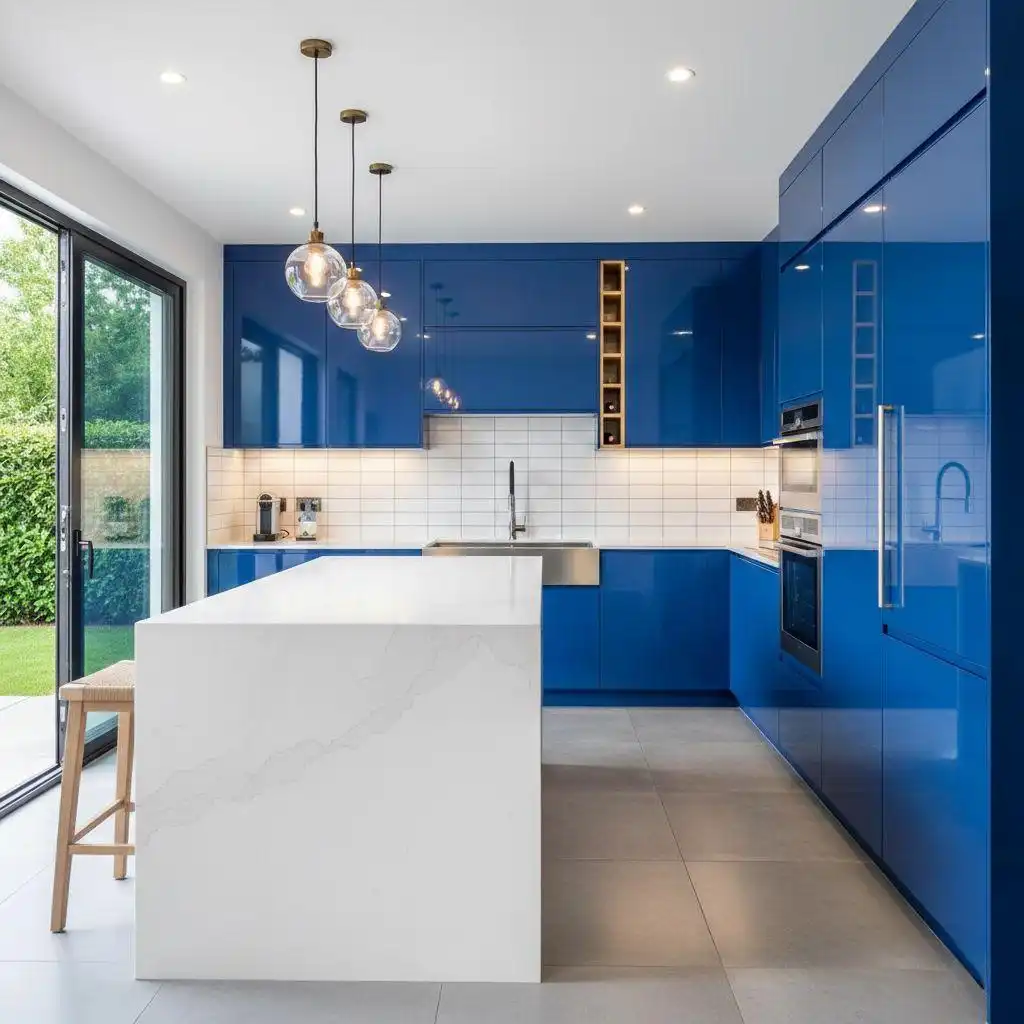
يتضمن طلاء المسحوق وضع مسحوق جاف (مزيج من البوليستر أو الإيبوكسي) وخبزه على الفولاذ، مما يخلق لمسة نهائية متينة للغاية ومقاومة للتشقق. تسمح هذه العملية بإنهاء خزائن المطبخ المعدنية بأي لون تقريبًا - من الأسود غير اللامع والأزرق الداكن إلى الأبيض اللامع - مما يمنح أصحاب المنازل المزايا الهيكلية للفولاذ مع مرونة ألوان الخشب المطلي.

4. الفولاذ المجلفن (المظهر الصناعي)
الفولاذ المجلفن مطلي بالزنك لمنع الصدأ، مما يمنحه ملمسًا فريدًا ولامعًا. غالبًا ما يتم اختياره للحصول على مظهر خام أو صناعي أو ريفي بقوة. على الرغم من أنها مقاومة للصدأ للغاية وبأسعار معقولة، إلا أنها ليست قوية من الناحية الهيكلية مثل الفولاذ المقاوم للصدأ النقي ويمكن أن تكون مستقطبة بصريًا.

الحرباء التصميمية: تصميم خزائن المطبخ المعدنية
لقد انتهى المظهر المختبري العقيم للماضي. خزائن المطبخ المعدنية اليوم عبارة عن تصميمات متناقضة، حيث تندمج بسلاسة في أنماط جمالية متعددة من خلال التشطيب والاقتران الذكي.
الملمس والانتهاء
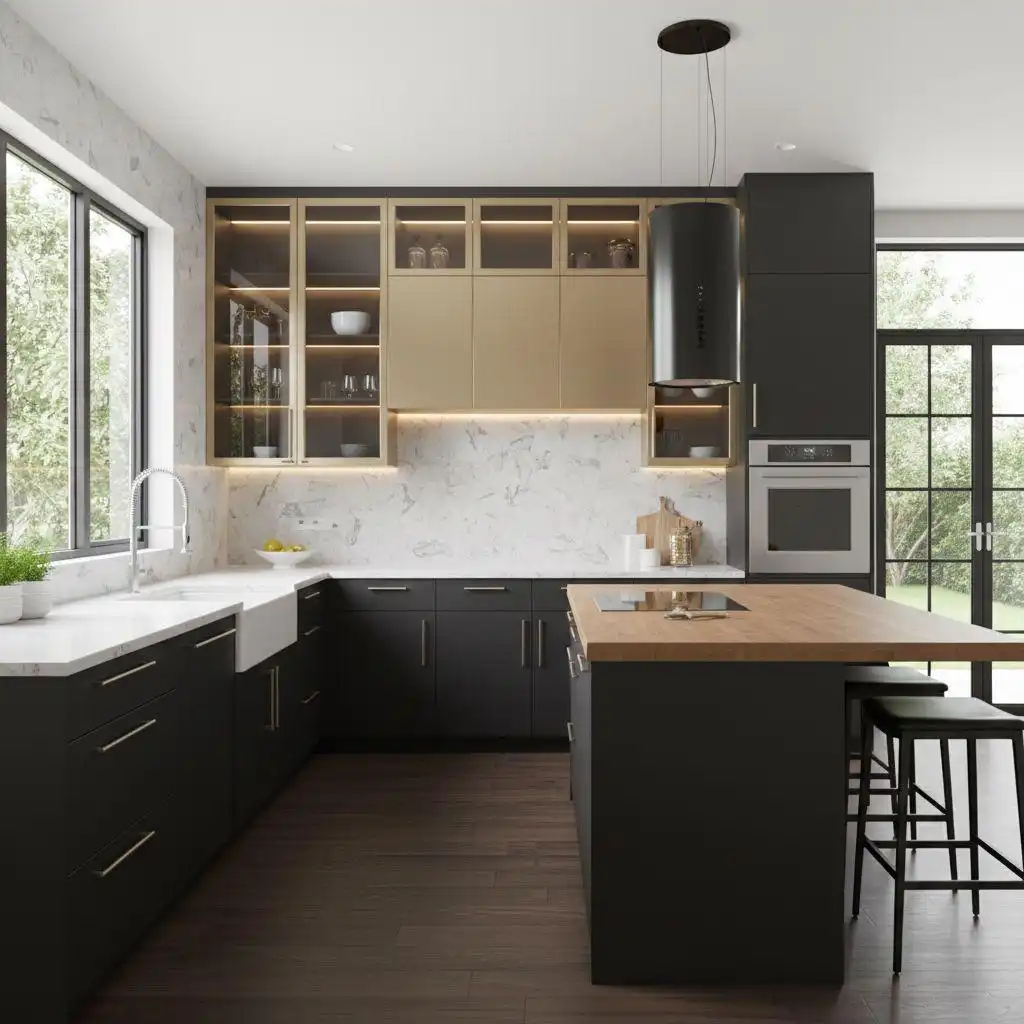
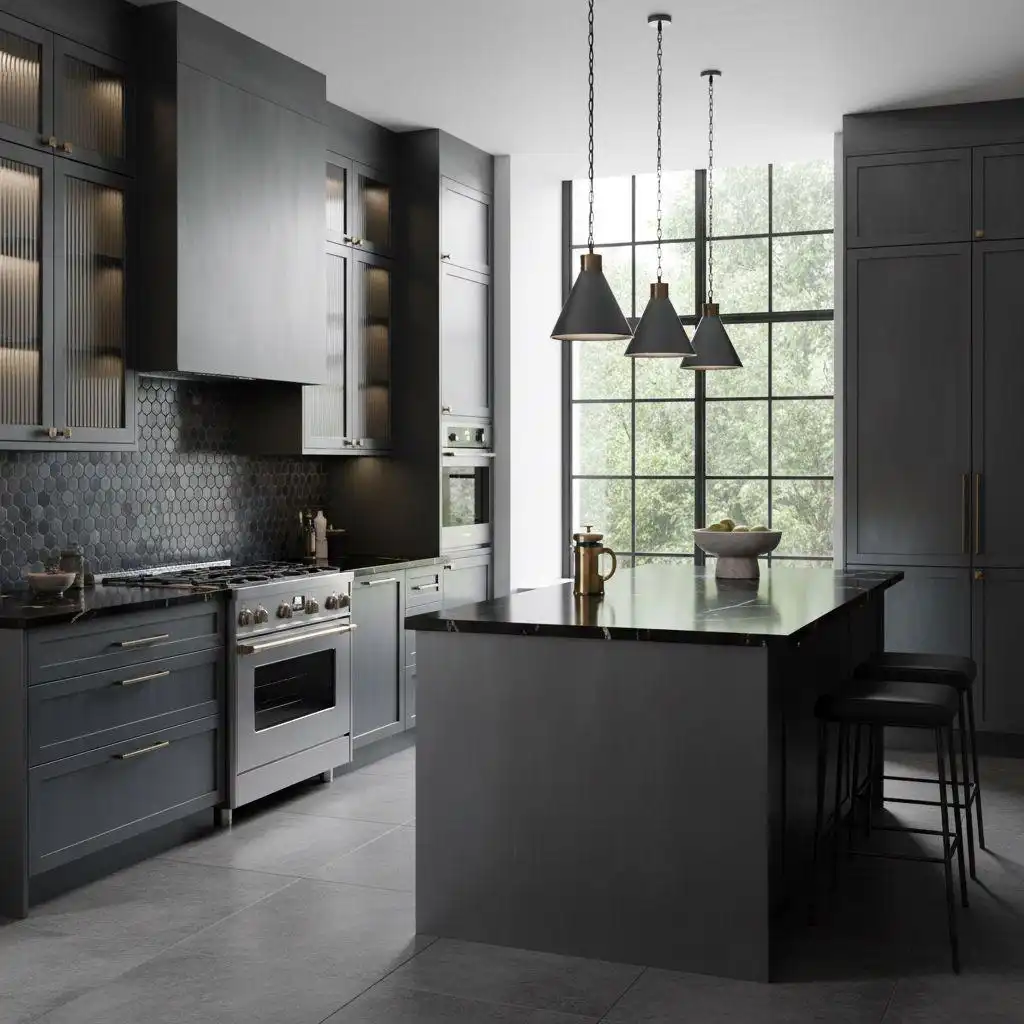
يفضل المصممون بشدة التشطيبات المزخرفة. خزائن المطبخ المعدنية المصقولة، التي تتميز بحبيبات اتجاهية، تخفي العيوب البسيطة وبصمات الأصابع بشكل أفضل بكثير من الأسطح المصقولة للغاية. يعد صعود خزائن المطبخ المعدنية ذات اللون الأسود غير اللامع أمرًا ملحوظًا بشكل خاص، مما يوفر تباينًا مثيرًا ومتطورًا مع أسطح العمل الخفيفة.
مواد الخلط
تجمع المطابخ الحديثة الأكثر فعالية بين المعدن والعناصر العضوية الدافئة لموازنة الألوان الباردة. الاتجاه الشائع هو الجمع بين خزائن المطبخ المعدنية في النصف السفلي (حيث تكون المتانة مطلوبة بشدة) مع رفوف من الخشب الطبيعي أو جدران حجرية في الأعلى، مما يخلق اهتمامًا بصريًا ودفء.
الأجهزة والتفاصيل
واحدة من أجمل الإطلالات هي سحب متكامل- تصميم لا يمكن التحكم فيه عن طريق غلق الحافة العلوية لباب الخزانة. إذا تم تفضيل الأجهزة الخارجية، فإن الخزانات المعدنية تتزاوج بشكل جميل مع الأجهزة الدافئة مثل النحاس أو النحاس أو الجلد، مما يضيف لمسة انتقائية باهظة الثمن تكسر المظهر الأحادي اللون للفولاذ.

العامل الخارجي: ميزة خزائن المطبخ المعدنية
ربما يكون هذا هو أكبر مجال نمو لخزائن المطبخ المعدنية. تزدهر مساحات المعيشة والطهي في الهواء الطلق، والمعدن هو مادة الخزانة الوحيدة التي تقاوم العناصر حقًا.
-
مناعة الطقس: على عكس الخشب أو المواد المركبة التي تتشوه أو تتشقق أو تتلاشى أو تتعفن عند تعرضها للمطر أو الشمس أو الحرارة أو الصقيع، تم تصميم خزائن المطبخ المعدنية المغلقة خصيصًا للتعرض على مدار العام.
-
مقاومة الآفات: في الخارج، تشكل الآفات تهديدًا مستمرًا. يوفر المعدن حاجزًا لا يمكن اختراقه ويمنع الحشرات والقوارض من الوصول إلى أدوات الطبخ المخزنة لديك.
-
تحمل الحرارة العالية: بالقرب من الشوايات ومحطات التحمير المتكاملة، تعد مقاومة المعدن للحرارة أمرًا ضروريًا للسلامة وطول العمر، مما يجعل خزائن المطبخ المعدنية هي ملك المطبخ في الفناء الخلفي بلا منازع.
التحقق من الواقع: معالجة الجوانب السلبية
لاتخاذ قرار مستنير، يجب عليك الموازنة بين الفوائد والواقع العملي لامتلاك خزائن المطبخ المعدنية.
-
تكلفة مقدمة عالية: تعتبر خزائن المطبخ المعدنية المخصصة والمصنعة عملية شراء متميزة. على الرغم من أنها توفر عائد استثمار فائقًا نظرًا لعمرها اللانهائي، إلا أن الاستثمار الأولي غالبًا ما يكون أعلى بكثير من خيارات الخشب أو MDF التقليدية.
-
تخفيف الضوضاء: بينما يستخدم المصنعون الرغوة أو النوى على شكل قرص العسل، فإن احتمال حدوث صوت عالٍ رنة لا يزال موجودًا إذا تم إغلاق الدرج دون تحكم. يجب على أصحاب المنازل التأكد من تركيب أنظمة التخميد المناسبة في وحداتهم.
-
الخدوش والخدوش: في حين أن الفولاذ المقاوم للصدأ يصعب استراحةيمكن أن تخدش. من الصعب إصلاح الخدوش العميقة، وغالبًا ما تتطلب تلميعًا احترافيًا. المعادن الأخف وزنًا مثل الألومنيوم تكون أيضًا عرضة للخدوش إذا تعرضت للضرب بقوة.
الصيانة والرعاية
العيش مع خزائن المطبخ المعدنية يعني اعتماد نظام تنظيف محدد.
-
تجنب المواد الكيميائية القاسية: لا تستخدم مطلقًا أدوات التنظيف الكاشطة أو الصوف الفولاذي أو المواد الكيميائية القاسية مثل مواد التبييض، والتي يمكن أن تلحق الضرر بالطبقة النهائية الواقية وتؤدي إلى ظهور بقع الصدأ أو الحفر.
-
قاعدة الميكروفيبر: استخدم أقمشة ناعمة أو إسفنجات أو ألياف دقيقة مع صابون لطيف وماء. بالنسبة للفولاذ المقاوم للصدأ، امسحه دائمًا مع الحبوب لتجنب الخطوط واتباع النمط الطبيعي للمعدن.
-
حلول بصمات الأصابع: بالنسبة لخزائن المطبخ المعدنية المصقولة، استخدم منظفًا متخصصًا للفولاذ المقاوم للصدأ أو طبقة خفيفة من الزيوت المعدنية. تعمل الطلاءات الحديثة المضادة لبصمات الأصابع (غالبًا ما تعتمد على النانو) على تقليل الحاجة إلى المسح المستمر بشكل كبير.
الحكم النهائي: هل خزائن المطبخ المعدنية تناسبك؟
الاختيار خزائن المطبخ المعدنية هو قرار نمط الحياة. إذا كنت تعطي الأولوية لبيئة طهي صحية واحترافية، وتطالب بمتانة شديدة، وتقدر الجمال النظيف والبسيط، فإن المعدن هو استثمار سيؤتي ثماره لعقود من الزمن.
ومع ذلك، إذا كنت تعمل بميزانية محدودة، أو تفضل الدفء المتأصل للمواد التقليدية، أو تحتاج إلى مجموعة واسعة من الألوان والأشكال الزخرفية، فقد يكون الخشب خيارًا أكثر راحة. المعدن من أجل حداثي عملي- صاحب المنزل الذي يقدر الأدوات والمساحات المصممة لتدوم مدى الحياة.👉اتصل بنا!